

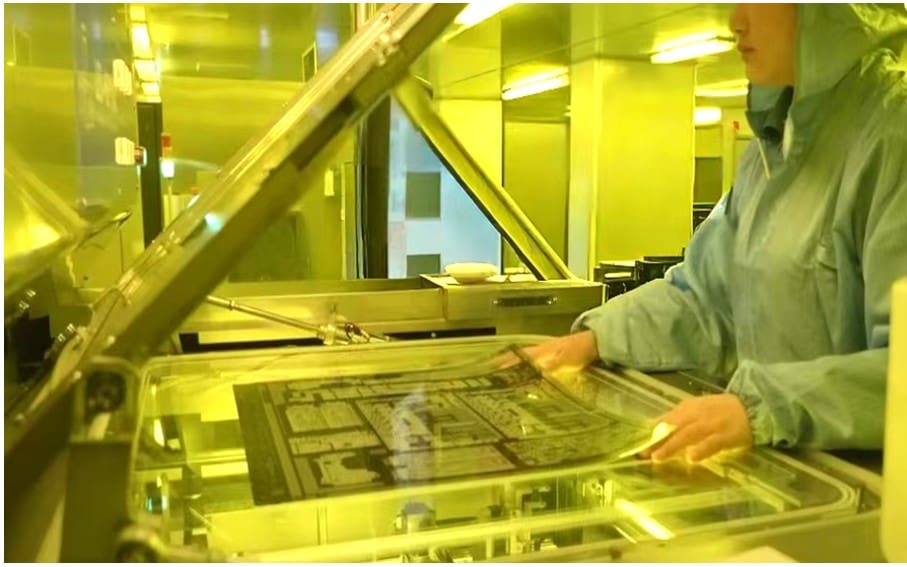
Alumina PCB is a specialized type of ceramic printed circuit board that uses aluminum oxide as its base material. This technology is widely adopted in applications where thermal stability, electrical insulation, and mechanical strength are critical. As electronic devices continue to operate at higher power densities and in harsher environments, traditional FR-4 substrates often fail to meet performance requirements. Alumina PCB addresses these limitations by offering superior heat dissipation, excellent dielectric properties, and long-term reliability.
Alumina PCB is especially valued in industries such as power electronics, automotive systems, medical devices, aerospace equipment, and industrial controls. Its ability to maintain stable performance under extreme temperatures and electrical stress makes it an essential solution for demanding electronic designs.
Material Characteristics of Alumina PCB
The core strength of alumina PCB lies in its unique material properties that differentiate it from conventional PCB substrates.
High-Purity Aluminum Oxide Composition
Alumina PCB is typically manufactured using aluminum oxide with purity levels ranging from 96% to 99.6%. Higher purity alumina provides improved thermal conductivity, better electrical insulation, and enhanced mechanical strength. This composition allows alumina PCB to support high-voltage and high-power applications without compromising safety or performance.
Excellent Thermal Conductivity
One of the most important advantages of alumina PCB is its ability to efficiently dissipate heat. Compared to organic substrates, alumina PCB offers significantly better thermal conductivity, enabling faster heat transfer away from critical components. This property helps prevent overheating and extends the operational life of electronic systems.
Superior Electrical Insulation
Alumina PCB provides excellent electrical insulation, even at high voltages. This makes it suitable for power modules, high-voltage circuits, and applications requiring strict isolation between conductive layers. Stable dielectric performance ensures consistent signal behavior across varying operating conditions.
Manufacturing Process of Alumina PCB
Producing alumina PCB requires specialized manufacturing techniques that differ significantly from traditional PCB fabrication.
Substrate Formation and Surface Preparation
The manufacturing process begins with forming the alumina ceramic substrate through high-temperature sintering. This process creates a dense and rigid base that offers exceptional mechanical stability. Surface preparation is then performed to ensure proper adhesion of conductive materials, which is critical for long-term reliability.
Thick Film and Thin Film Metallization
Conductive traces on alumina PCB are typically created using thick film or thin film processes. Thick film technology involves screen printing conductive pastes, while thin film processes use sputtering or evaporation techniques. Both methods are carefully controlled to achieve precise circuit patterns and consistent electrical performance.
Firing and Final Finishing
After metallization, alumina PCB undergoes firing at high temperatures to permanently bond conductive materials to the ceramic substrate. Final finishing steps ensure dimensional accuracy, surface smoothness, and electrical integrity, resulting in a highly reliable ceramic circuit board.
Electrical and Mechanical Benefits of Alumina PCB
Alumina PCB delivers a combination of electrical and mechanical advantages that make it ideal for high-performance applications.
High Temperature Resistance
Alumina PCB can operate reliably at temperatures far beyond the limits of standard PCBs. Its resistance to thermal degradation allows it to perform consistently in environments with rapid temperature changes or continuous high heat exposure.
Mechanical Strength and Durability
The ceramic nature of alumina PCB provides excellent mechanical rigidity and resistance to wear. This durability is essential in applications exposed to vibration, mechanical stress, or harsh environmental conditions.
Long-Term Stability
Alumina PCB maintains its electrical and physical properties over long periods of use. This stability reduces the risk of performance degradation and minimizes maintenance or replacement costs in critical systems.
Applications of Alumina PCB
Alumina PCB is widely used in industries that demand high reliability and precise performance.
Power Electronics and Modules
Power converters, inverters, and high-current modules benefit greatly from alumina PCB due to its heat dissipation capabilities and electrical insulation. These properties ensure safe and efficient operation under heavy loads.
Automotive and Transportation Systems
In automotive electronics, alumina PCB supports applications such as ignition systems, power control units, and sensors. Its ability to withstand high temperatures and vibration makes it suitable for under-the-hood environments.
Medical and Healthcare Devices
Medical equipment requires materials that offer stability, safety, and reliability. Alumina PCB is commonly used in imaging systems, diagnostic devices, and implantable electronics due to its consistent performance and biocompatibility.
Aerospace and Industrial Equipment
Aerospace systems and industrial machinery rely on alumina PCB for its resistance to extreme conditions. High-altitude environments, radiation exposure, and mechanical stress demand the robustness that alumina PCB provides.
Design Considerations for Alumina PCB
Designing with alumina PCB requires careful planning and an understanding of ceramic material behavior.
Circuit Layout and Thermal Management
Effective circuit layout is essential to maximize the thermal benefits of alumina PCB. Designers must consider component placement, trace geometry, and heat flow paths to ensure optimal performance.
Assembly Compatibility
Assembly processes for alumina PCB differ from standard PCB assembly. Specialized soldering techniques and temperature profiles are often required to prevent damage to components and maintain reliable connections.
Cost and Performance Optimization
While alumina PCB offers exceptional performance, it typically involves higher material and processing costs. Designers must balance these costs against the performance requirements and long-term benefits of improved reliability.
Quality and Reliability of Alumina PCB
Quality control is critical in ensuring the performance of alumina PCB across production runs.
Consistent Electrical Performance
With controlled manufacturing processes, alumina PCB delivers consistent electrical characteristics that support precise and repeatable system behavior. This consistency is vital for scalable production and long-term product support.
Resistance to Environmental Stress
Alumina PCB resists moisture, chemicals, and thermal shock, making it suitable for harsh operating environments. This resistance significantly reduces failure rates and improves system uptime.
Conclusion
Alumina PCB is a powerful solution for modern electronics that demand high thermal performance, electrical insulation, and mechanical durability. Its ceramic-based construction enables reliable operation in high-power, high-temperature, and high-voltage applications where traditional PCB materials fall short. By working with a trusted alumina PCB manufacturer, businesses can ensure superior fabrication quality, consistent performance, and long-term reliability for advanced electronic products.