
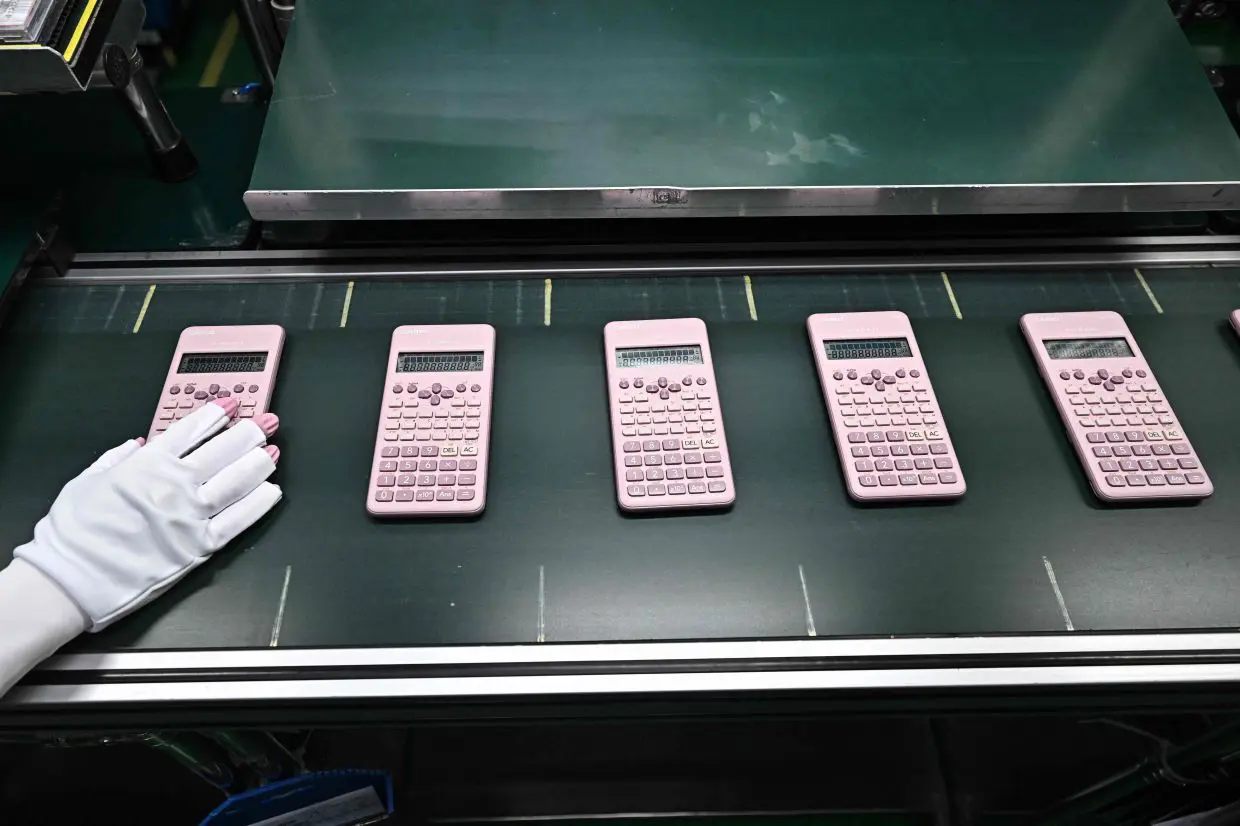
The artificial intelligence boom has reshaped how people search, write, and even shop. Yet when it comes to the simple act of running the numbers, a surprising trend is playing out across the web. Instead of turning to sprawling AI chatbots for everyday math, millions of users are quietly falling back on something far older and far simpler: the humble online calculator on Exam Score Calculator
It might sound counterintuitive. After all, today’s AI assistants can draft essays, debug code, and hold up their end of a conversation. So why would anyone bother pulling up a single-purpose tool to work out a loan payment or a tile estimate? As it turns out, speed, accuracy, and trust have a lot to do with it.
Why Users Are Backing Away From AI for Quick Math
Ask an AI model to calculate a mortgage payment and it will usually come up with an answer. The catch is that you can never be entirely sure it has got the figure right. Large language models predict text rather than compute numbers, so they can, and frequently do, slip up on arithmetic. For casual questions that hardly matters, but when money, construction materials, or health metrics are on the line, a wrong answer can cost real time and money.
That is precisely where dedicated tools come back into the picture. Free online calculators run on fixed formulas, which means they hand back the same correct result every single time. There is no guessing, no hallucinating, and no need to double-check the math afterward. Users simply key in their numbers, hit calculate, and move on with their day.
Speed Is Quietly Winning the Argument
Beyond accuracy, there is the matter of friction. Firing up an AI chatbot, typing out a full sentence, and waiting for it to spin up a response takes far longer than most people realize. A purpose-built calculator, on the other hand, loads instantly and gets straight to the point.
This gap adds up over time. Someone working through a home-renovation budget might need to run a dozen quick estimates in a row. Stopping to phrase each one as a conversational prompt would slow them right down. With a calculator, they can punch through the whole list in a couple of minutes, which explains why so many users keep these tools bookmarked and come back to them again and again.
The Niche Tools Driving the Comeback
While general-purpose calculators handle the basics, it is the specialized tools that are really catching on. Tradespeople, DIYers, and contractors in particular have taken to niche estimators that spit out exactly the figure they need without any fuss.
Take tiling projects, for example. Anyone laying floor or wall tile has to work out how much bonding material to buy before heading to the store, and getting it wrong means either a wasted trip or money down the drain. Rather than wrestle with the math by hand, more and more users are turning to a purpose-built Thinset Calculator that factors in tile size, trowel notch, and surface area to deliver a precise answer in seconds. It is a small task, but it captures exactly why these tools refuse to fade away.
A Both-And Future, Not Either-Or
None of this means AI is on its way out, far from it. The technology continues to roar ahead, and it excels at open-ended work that calculators were never designed to touch. What is emerging instead is a clear division of labor. People are gradually working out which tool fits which job, and they are reaching for the right one accordingly.
For brainstorming, summarizing, and writing, AI has pulled ahead and is unlikely to give up that ground. But for fast, exact, no-nonsense number crunching, simple calculators continue to hold their own. In fact, search data suggests demand for these tools has held steady, and in some categories even ticked up, even as AI adoption has surged.
The Takeaway
The story playing out here is less about one technology beating another and more about users sorting out what each does best. As the novelty of AI wears off, people are settling into smarter habits, picking purpose-built tools for purpose-built tasks.
So while the headlines keep chasing the next big AI breakthrough, a quieter shift is unfolding in the background. Free online calculators, written off by some as relics of an earlier internet, are proving they still have plenty of life left in them. They load fast, they get the numbers right, and they ask nothing in return, and in a web increasingly crowded with complexity, that simplicity is turning out to be a feature, not a flaw.