
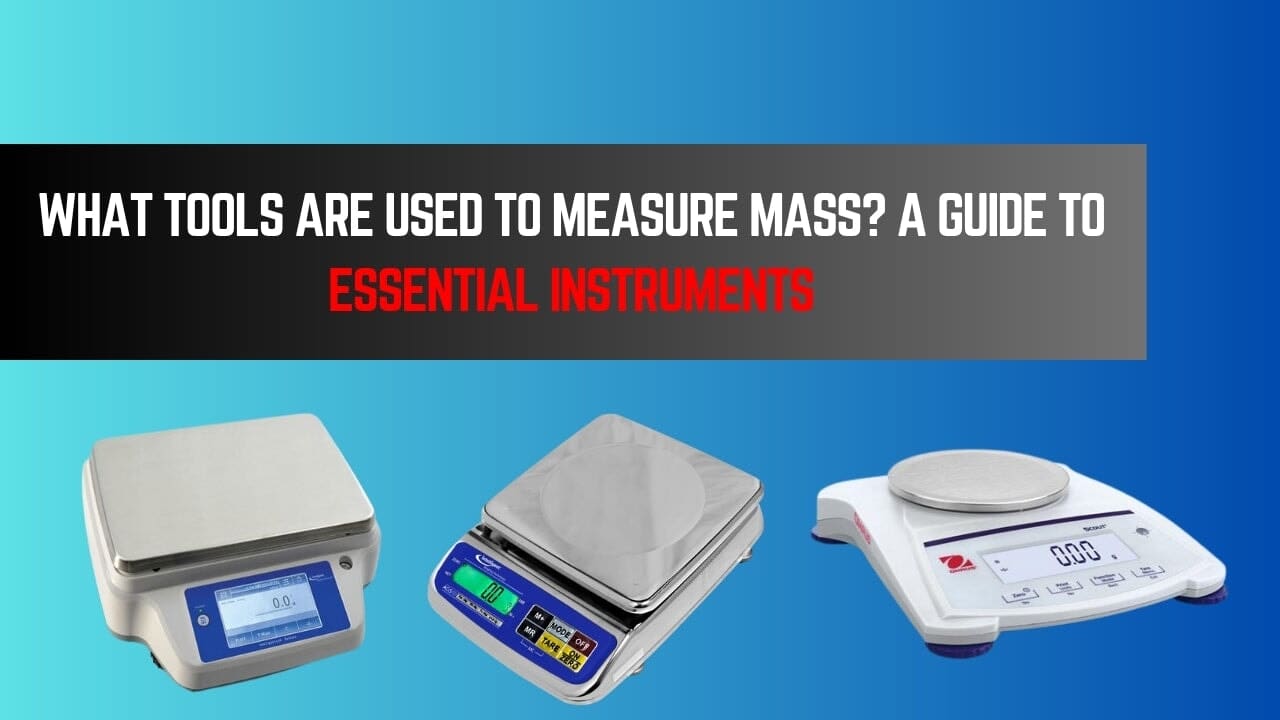
In laboratories and manufacturing environments, accurate moisture measurement is essential for maintaining product quality and consistency. Whether you’re testing food ingredients, pharmaceuticals, chemicals, or plastics, a reliable moisture analyzer ensures every batch meets strict specifications. One of the most trusted names in this field is A&D Weighing, known for its innovation and precision engineering.
At DSCbalances.com, professionals can find a complete range of A&D Weighing Moisture Balances designed to deliver fast, accurate, and consistent results for moisture determination.
What Is a Moisture Balance?
A moisture balance (also known as a moisture analyzer) is a laboratory instrument used to determine the moisture content in a sample. It works by measuring the weight loss of a material as it is heated and dried.
Here’s how it works:
- The sample is placed on a precision balance inside the instrument.
- A built-in heating element, usually halogen or infrared, gently dries the sample.
- As moisture evaporates, the instrument continuously measures the loss in mass.
- Once the drying process is complete, the moisture percentage is automatically calculated.
This process—often referred to as Loss on Drying (LOD)—is faster and more convenient than traditional oven methods. Moisture balances are commonly used in industries like food processing, agriculture, pharmaceuticals, and plastics to ensure quality control and regulatory compliance.
What Is the Best Moisture Analyzer?
The “best” moisture analyzer depends on your specific application, but A&D Weighing Moisture Balances are consistently ranked among the top due to their accuracy, speed, and user-friendly operation.
A&D’s models combine precision weighing technology with fast halogen drying systems, providing repeatable results across a wide range of materials. Some popular features include:
- High-precision sensors for stable and accurate weighing.
- Halogen or infrared heating elements for uniform sample drying.
- Programmable drying modes for flexible use across different sample types.
- Graphical displays and real-time data tracking for better analysis.
- Compact, durable design ideal for laboratory or production settings.
The A&D MX, MF, and ML series are particularly well-regarded, offering varying degrees of automation and sensitivity. Whether you need quick screening in a production line or advanced moisture testing in a lab, A&D provides an ideal solution.
If you’re looking for reliable, lab-grade performance, explore the full range of A&D Weighing Moisture Balances available at DSCbalances.com — each model is backed by professional support and calibration services.
How to Use a Moisture Balance
Using a moisture balance correctly ensures accurate and repeatable results. While procedures can vary slightly between models, here are the general steps to follow:
- Turn on and preheat the instrument to stabilize temperature and balance components.
- Tare the weighing pan to zero before placing your sample.
- Place the sample evenly on the pan — typically between 1–10 grams, depending on your material.
- Set the drying parameters (temperature and time or automatic stop mode).
- Start the measurement. The instrument will heat, dry, and continuously measure the sample’s weight loss.
- Once the drying process is complete, the instrument will display the moisture content (%).
For best results:
- Use finely ground, evenly distributed samples.
- Avoid overloading the pan.
- Keep the unit clean and free from residue.
A&D’s intuitive interface and pre-programmed drying profiles make this process simple, even for new users.
How to Calibrate a Moisture Balance
Calibration is essential for maintaining the accuracy and reliability of your moisture balance. There are two key types of calibration: temperature calibration and weighing calibration.
1. Weighing Calibration
This verifies that the balance provides correct weight readings.
- Use certified calibration weights that match your instrument’s capacity.
- Follow the on-screen prompts or calibration menu.
- Perform this regularly, especially before critical measurements.
2. Temperature Calibration
This ensures that the drying heater provides consistent and accurate temperatures.
- Use a temperature calibration set or built-in calibration mode (available on most A&D models).
- Set the instrument to a specific target temperature (e.g., 100°C).
- Verify readings and make adjustments as required.
Regular calibration—combined with proper cleaning and maintenance—extends the life of your instrument and ensures data integrity for regulatory compliance.
Why Choose A&D Weighing Moisture Balances from DSCbalances.com
DSCbalances.com is a trusted distributor of A&D Weighing Moisture Balances in North America, providing customers with:
- Competitive pricing and fast delivery.
- Factory-trained support for installation, training, and maintenance.
- Genuine products backed by manufacturer warranties.
- Access to other A&D precision balances, analytical scales, and calibration services.
By choosing A&D and DSCbalances.com, you’re investing in proven accuracy, durability, and long-term performance.
Final Thoughts
Whether you work in a research laboratory, a manufacturing facility, or a quality control department, moisture analysis plays a vital role in maintaining product integrity and compliance. A&D Weighing’s advanced technology makes this process efficient and dependable.
Visit DSCbalances.com today to explore the full lineup of A&D Weighing Moisture Balances — and experience precision that sets the industry standard.