

If you’ve ever returned home on a scorching day only to be greeted by warm air or silence instead of a refreshing breeze, you understand the urgency of AC repair. Whether it’s a minor glitch or a major malfunction, having a grasp of what AC repair involves can save you money, time, and discomfort.
In this guide, we’ll walk you through everything from spotting early warning signs to knowing when it’s time for a full replacement.
Let’s get started with the basics of AC repair.
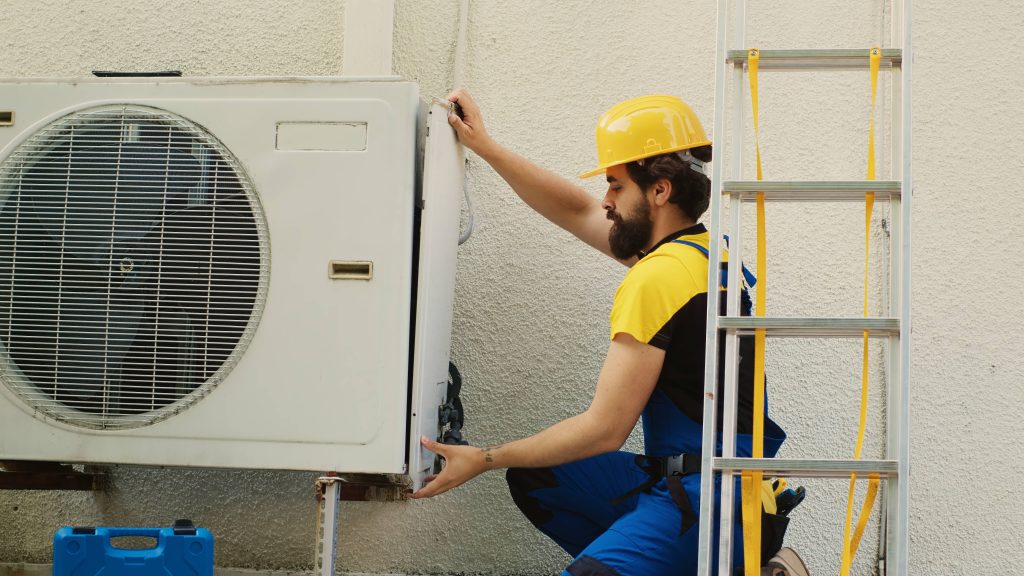
What Is AC Repair and Why Should You Care?
AC repair refers to diagnosing and fixing issues within your air conditioning system. This could include fixing broken fans, replacing a faulty thermostat, topping up refrigerant, or even repairing electrical components. Timely AC repairing is critical not just for your comfort, but also for energy efficiency and the lifespan of your system.
If ignored, minor problems can escalate into full breakdowns, leaving you sweating and facing expensive repairs. That’s why understanding AC repair is a valuable tool for any homeowner.
Top Signs You Need AC Repair
Sometimes it’s obvious your system needs help. Other times, it whispers before it screams. Here are the top signs you should call for AC repair:
- Warm air blowing out of vents
- Odd noises like banging or squealing
- Strange smells from the unit
- Water pooling near the system
- Frequent short cycling
- Skyrocketing energy bills
Don’t wait for your AC to completely fail. Spotting these early can mean a simple AC repair instead of a costly overhaul.
What Commonly Goes Wrong with AC Systems?
Air conditioners are complex machines with many moving parts. Here are the most common issues requiring AC repair:
- Clogged filters: When air can’t flow freely, the system strains and may shut down.
- Refrigerant leaks: Low levels affect cooling performance and may damage the compressor.
- Broken thermostat: Incorrect readings can cause your system to run unnecessarily or not at all.
- Electrical issues: Faulty wiring or tripped breakers can prevent the AC from functioning.
- Frozen coils: Usually caused by airflow problems or low refrigerant.
Knowing what might go wrong gives you a head start in communicating with your AC repair technician.
Inside an AC Repair Visit: What to Expect
When you call in a pro for AC repair, here’s how the visit usually unfolds:
- Inspection – The technician examines your entire system, both inside and out.
- Diagnosis – They identify the issue, whether it’s mechanical, electrical, or refrigerant-related.
- Repair Proposal – You’ll get a breakdown of needed repairs and costs.
- Repair Execution – With your go-ahead, they’ll get your system back in working order.
- Testing – They ensure the unit cools properly before leaving.
A good AC repair technician will explain what went wrong and how you can prevent it in the future.
DIY vs. Professional AC Repair: Where to Draw the Line
Some tasks you can handle on your own, like:
- Replacing the air filter
- Cleaning debris around the outdoor unit
- Adjusting thermostat settings
But when it comes to refrigerant, electrical parts, or internal components, leave AC repair to the pros. Trying to handle complex problems without proper training could cause more damage or pose a safety risk.
Preventing the Need for Constant AC Repair
Avoiding problems is always cheaper than fixing them. Here’s how to reduce the need for frequent AC repair:
- Change filters regularly (every 1–3 months)
- Schedule annual or bi-annual maintenance
- Keep vents unblocked
- Clean around the outside unit
- Pay attention to performance changes
Preventative care is the easiest way to extend the life of your system and avoid surprise AC repair costs.
Choosing the Right AC Repair Company
Not all AC repair services are equal. When picking a provider, look for:
- Proper licensing and insurance
- Positive online reviews
- Transparent pricing and written estimates
- Emergency repair availability
- Experience with your brand or model
Don’t just go with the cheapest option. Quality AC repair protects your home and wallet long-term.
When to Repair vs. When to Replace
If your unit is over 10 years old, you may find yourself asking: is AC repair worth it? Here are signs replacement may be smarter:
- Multiple breakdowns in one season
- Major part failure (e.g., compressor)
- Uneven cooling or constant cycling
- Repairs cost more than half of a new unit
Modern systems are more efficient and can significantly cut energy costs. If you’re unsure, a trusted AC repair technician can guide you.

Cost of AC Repair: What to Expect
Costs vary widely depending on the issue:
- Filter replacement: $20–$50
- Thermostat repair: $100–$250
- Refrigerant recharge: $150–$600
- Compressor repair: $1,000+
Routine maintenance is usually under $150, and it can prevent more expensive AC repair needs later. Always get a written estimate before work begins.
How Seasonal Maintenance Prevents Emergency Repairs
Before the heat hits, schedule a tune-up. It allows professionals to catch issues early and perform basic maintenance. A quick spring checkup can prevent mid-summer emergency AC repair calls, which often cost more and take longer due to high demand.
Your system works hard. A little care goes a long way.
Conclusion:
AC repair is about protecting your home, your health, and your budget. By understanding what to look for and how to respond, you can tackle issues head-on and make smarter decisions when it comes to your comfort system.
Don’t wait for a breakdown. Stay ahead of the heat with routine care, and call on trusted professionals when you need AC repair done right.
Frequently Asked Questions
How long does a typical AC repair take?
Most repairs can be completed in under two hours, though complex issues may take longer.
Can low refrigerant damage my AC?
Yes. Low levels can cause your compressor to overheat, leading to costly AC repair or even replacement.
Is AC repair covered by home warranties?
Often, yes. If your system is still under a manufacturer or home warranty, some or all of your AC repair costs may be covered.
Why does my AC keep freezing up?
Frozen coils are usually due to restricted airflow or low refrigerant. Both need professional AC repair to prevent further damage.
How can I improve my AC’s performance?
Regular maintenance, changing filters, sealing ductwork, and using a smart thermostat can help boost efficiency and reduce the need for AC repair.
Visit For More Articles : Time Business News