

ABA skills assessment Virginia autism therapy providers conduct is the clinical foundation that determines what a treatment program actually works on — and it’s the step that separates ABA programs that produce meaningful, individualized progress from those that apply generic goals without the specific knowledge of an individual’s actual skill profile that effective treatment requires. For families new to ABA, understanding what a skills assessment involves, what it measures, and how it connects to the treatment that follows helps them engage more meaningfully with the process and advocate more effectively for the outcomes they most want to see.
What a Skills Assessment Is and Why It Comes First
A skills assessment is a structured evaluation of an individual’s current abilities across the domains most relevant to independence and quality of life — communication, social interaction, self-care, motor skills, and academic and pre-academic skills. The assessment identifies both what the individual can do independently and what they can do with prompting or support, creating a nuanced picture of current functioning that a simple pass-fail evaluation doesn’t provide.
The reason skills assessment comes before treatment planning — and before goals are written — is that effective ABA treatment is built around the specific individual’s actual skill gaps rather than around a standard set of goals applied to everyone with the same diagnosis. Two children with the same autism diagnosis may have completely different skills profiles, completely different learning histories, and completely different priorities for what skill development will most improve their daily life. A skills assessment is what makes those differences visible and what ensures the treatment program addresses the right things rather than generic things.
What Skills Assessments Actually Measure
The specific domains that ABA skills assessments evaluate reflect the areas where skill gaps most directly affect an individual’s independence, safety, and quality of life. Communication is typically the most important domain for young children — assessing not just whether a child uses words but whether they use communication functionally, whether they can make requests, comment, ask questions, and use language for the full range of communicative purposes rather than just labeling objects.
Social skills assessment evaluates how an individual initiates and responds to social interaction, whether they recognize social cues and reciprocate appropriately, and what aspects of social understanding are strengths versus areas that need targeted development. Self-care skills — toileting, dressing, grooming, eating — have direct daily independence implications that make them high-priority assessment and treatment targets for many families. Motor skills, both fine and gross, affect how an individual engages with their environment and their access to age-appropriate activities in ways that support broader development.
How Assessment Results Connect to Treatment Goals
The connection between skills assessment findings and treatment goals is direct — skill gaps identified through assessment become the targets for treatment, and the specific presentation of those gaps informs how treatment is structured. A child who can label objects when presented as pictures but not when encountered in natural environments needs treatment that emphasizes generalization to natural contexts rather than more picture-based label training. A child who can perform a self-care skill when each step is prompted separately but can’t complete the sequence independently needs a different treatment approach than one who doesn’t yet have the component skills at all.
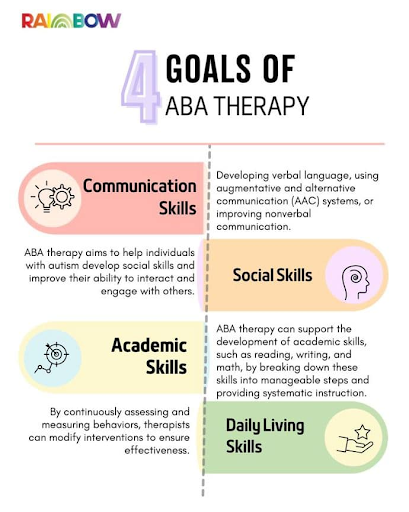
Treatment planning at Positive Reinforcement translates assessment findings into specific, measurable goals that reflect exactly this kind of clinical reasoning — goals that target the specific form of skill gap the assessment identified rather than generic goals that apply regardless of the individual’s actual learning history and current skill profile.
How Assessments Are Used to Measure Progress
Skills assessments aren’t one-time events — they’re repeated at regular intervals throughout the treatment process to measure progress, identify whether goals have been achieved and can be replaced with new ones, and evaluate whether the treatment approach is producing the expected learning rate or needs adjustment. Regular reassessment ensures that the treatment program stays aligned with the individual’s current level rather than continuing to target skills that have already been mastered or missing skills that have emerged as priorities.
For families, this reassessment process is one of the most direct ways to see evidence of progress — comparing the assessment results from the beginning of treatment to current results makes the gains concrete in a way that daily session data alone sometimes doesn’t communicate as clearly. The ABA therapy Virginia team shares assessment results with families in a way that makes those gains understandable and connects them to the real-world changes families are seeing at home.
What Families Can Expect During the Assessment Process
The assessment process at Positive Reinforcement involves both structured assessment activities and observation of the individual in natural contexts — because a skills assessment that only captures what someone can do in a clinical assessment setting may not accurately represent how they function in the environments where the skills actually need to work. Assessment activities are presented in a way that’s engaging and accessible rather than test-like, which is particularly important for individuals who may have experienced evaluations as stressful or confusing.
Families are an essential source of information throughout the assessment — parents and caregivers who know the individual well provide context about home functioning, priorities for treatment, and skills that may not emerge during a formal assessment session but that are present in familiar environments. That collaboration between the BCBA conducting the assessment and the family who knows the individual produces a more complete and more accurate picture than either source alone would provide — and it’s what makes the subsequent treatment planning process genuinely responsive to what families most want to see change.
