
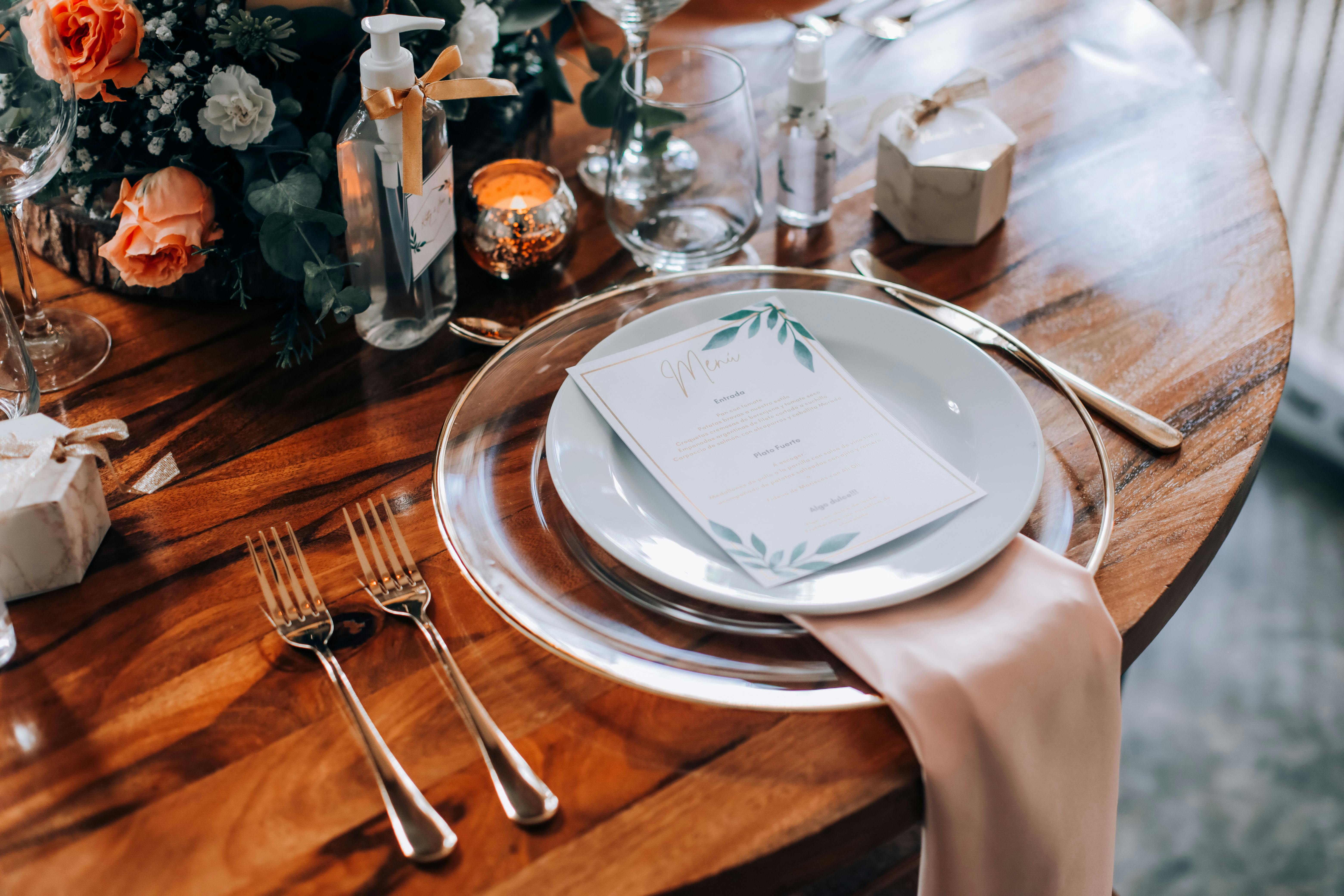
Wedding food has changed. Many couples no longer want a predictable meal that looks good on paper but leaves guests hungry two hours later. They want food with personality, timing that fits the day, and a menu that feels connected to who they are. The meal should support the celebration instead of interrupting it.
The best wedding menus start with one question: how do you want people to feel? A long plated dinner can feel elegant, but it may slow the energy of the evening. A shared-table format can feel warmer and more relaxed. Food stations can create movement and conversation. A live cooking setup can give guests something to watch while they mingle. None of these choices is automatically better than the others. The right answer depends on the couple, the venue, the guest list, and the rhythm of the day.
Food is one of the few things every guest experiences directly, so choosing the right catering per matrimony setup affects far more than the menu card. It shapes the wait between ceremony and dinner, the mood during speeches, the flow of the evening, and how comfortable guests feel from arrival to dessert.
A strong wedding menu usually has contrast. You need lighter bites at the start, enough substance during the main meal, and something easy to enjoy later in the evening. Guests may arrive hungry after travelling. They may drink during the reception. Older relatives may prefer familiar dishes, while younger guests may enjoy bolder flavours. Children need simpler options. Vegetarians and guests with allergies need real dishes, not afterthoughts.
Seasonality helps. A summer wedding can lean into grilled vegetables, fresh herbs, tomatoes, citrus, seafood, light meats, and chilled desserts. A colder-season wedding can use roasted dishes, slow-cooked meats, richer sauces, baked sides, and warm sweets. Seasonal food usually tastes better and feels more natural for the setting.
The format should match the venue. A countryside wedding may suit open-fire cooking, shared boards, roasted meats, rustic sides, and outdoor service. A city wedding may need tighter timing, smaller plates, or a more polished dinner structure. A villa or private estate can support a longer, more relaxed meal with cooking stations and late-night food.
Timing is where many weddings succeed or fail. Guests forgive simple food if it arrives at the right moment, but even beautiful dishes lose impact if everyone waits too long. Canapés need to appear quickly after the ceremony. The main meal should not drag. Dessert should not delay the party. Late-night food should arrive when people are actually hungry again, not when the dance floor is already empty.
Couples should also think beyond the main course. Welcome drinks, small bites, bread, sauces, coffee, desserts, and midnight snacks all shape the experience. Sometimes the details become the talking points: a great sauce, handmade focaccia, grilled vegetables, a dessert table, or a late-night sandwich served when everyone needs it.
The menu should feel generous without becoming messy. Too many dishes can confuse people and slow service. Too few can make the meal feel thin. The best approach is usually a focused menu with enough variety to cover different tastes. Quality beats endless options.
Wedding food does not need to be stiff to feel special. Guests remember warmth, flavour, timing, and care. They remember whether they were fed properly, whether the meal matched the day, and whether the food felt like part of the celebration. A good wedding meal should do more than fill plates. It should help carry the whole day forward.