
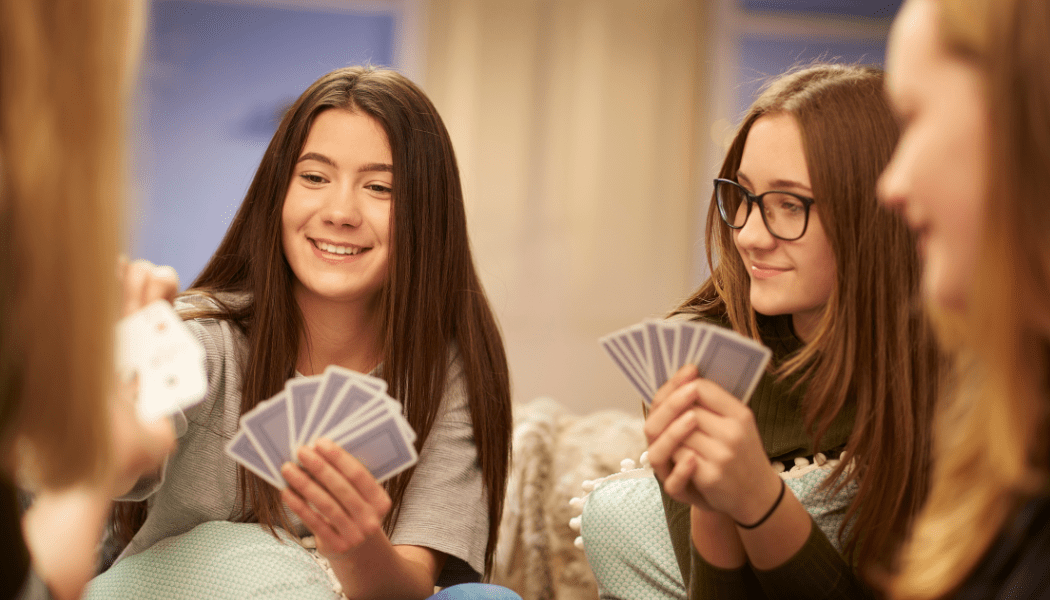
The holiday season is a beautiful and often chaotic time of year. Our homes fill with the wonderful, familiar energy of family and friends we haven’t seen in months. But alongside the festive dinners and gift-giving, the holidays are also defined by something else: unstructured downtime.
It’s those long, lazy afternoons after the big meal, or the quiet mornings before everyone is awake. In these moments, it’s all too easy for everyone to retreat to their separate corners, silently scrolling on their phones, sitting in the same room but existing in different digital worlds.
How do you break that spell and create real, lasting connections?
The answer is often the most simple, analog, and timeless tool in your junk drawer: a deck of cards. A card game is a powerful and accessible antidote to digital overload. A social game can bring an entire table together, sparking laughter and conversation. Even a quiet, solo game, like one of the many classic card games available online, can be the perfect, mindful stress-reducer for a host who needs a 10-minute break.
This holiday, instead of just turning on the TV, it’s time to deal out a hand. Here’s how to use card games to make your holiday gatherings more memorable.
The All-Ages Icebreaker
The Goal: To get kids, teens, and grandparents all interacting in one simple, low-stakes game.
The Games:
- Spoons: This is the ultimate, high-energy, chaotic-fun game. It’s incredibly easy to teach (you just need to collect four of a kind and grab a spoon), and the resulting dive for the spoons will have the entire table, from your 8-year-old nephew to your 80-year-old grandma, laughing.
- Crazy Eights: Another classic that almost everyone knows. The rules are simple, the pace is quick, and it’s a perfect introductory game for younger kids just learning the ropes of matching suits and numbers.
- Go Fish: For the very little ones, this is the perfect game to play with a parent or grandparent. It’s a game that teaches patience, pattern recognition, and how to ask questions.
Why it Works: These games are not about deep, complex strategy. They are icebreakers that act as a social glue. They break down the generational barriers and get everyone focused on a single, shared, and fun activity.
The After-Dinner Event
The Goal: To create a focal point for the evening after the kids are in bed or in another room. This is for the adults and older teens who are settled in with a drink and want to engage in some friendly, strategic competition.
The Games:
- Hearts: The perfect “every person for themselves” game that is all about strategy and a little bit of playful betrayal. It’s a classic for a reason and can be played by three to six people.
- Spades or Bridge: If you have a consistent group of four, these team-based games are the ultimate social contract. They require communication, strategy, and teamwork. Learning to play as a partnership is a fantastic bonding experience.
- Poker (Low-Stakes): A friendly, five-dollar-buy-in game is not about how much your winnings; it’s about reading people and having a great conversation.
Why it Works: These games are the reason to sit at the table. They are a lean-in activity that fosters real conversation and friendly rivalries.
The Personal Pause Button
The Goal: To give yourself a break. Let’s be honest: hosting during the holidays is exhausting. The pressure to be on all the time is immense. Sometimes you just need ten minutes of quiet to reset your social batteries.
The Game:
- Solitaire: This is your personal, mental “palate cleanser.” It’s a quiet, meditative game that allows you to focus on a single, solvable problem.
- Why it Works: A quick game of Klondike or Spider Solitaire is a form of active mindfulness. It engages your brain just enough to stop you from worrying about your to-do list, but it’s not so demanding that it adds to your stress.
The New Tradition Legacy Game
The Goal: To use the extended downtime of a holiday week to learn a new, more complex game as a family.
The Games:
- Canasta: This classic game from the 1950s is having a major comeback. It’s a team-based game that is complex, strategic, and incredibly fun once you get the hang of it.
- Pinochle: A classic game that many grandparents know and would be thrilled to teach to a new generation.
Why it Works: Instead of just defaulting to the same old routine, you are creating a new family tradition. The shared (and often funny) struggle of learning a complex new set of rules is a bonding experience in itself. It’s a brain workout for the whole family and a skill that you can all bring back and enjoy together, year after year.
This holiday season, put a deck of cards in a central spot in your living room. You’ll be amazed at how this simple, analog tool can pull people away from their screens and bring them closer together, creating memories that will last long after the decorations are packed away.