

Introduction
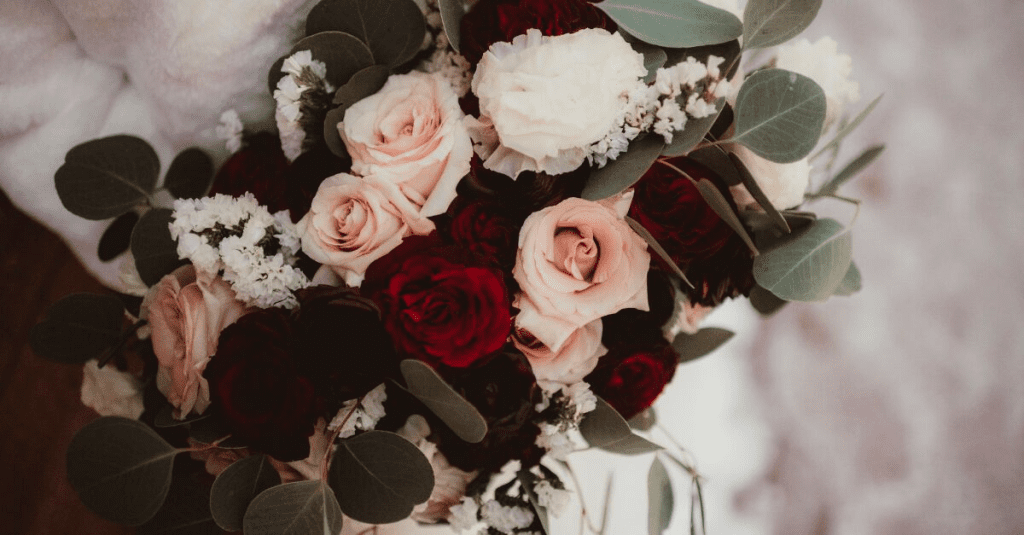
Wedding flowers are one of the most beautiful and meaningful parts of a wedding. They add color, emotion, fragrance, and style to the big day. From the bridal bouquet to the table centerpieces, flowers help tell the love story of the couple. Choosing the right wedding flowers may seem confusing at first because there are many styles, seasons, and meanings to consider. This comprehensive guide will help you understand everything you need to know about wedding flowers in a clear and straightforward manner, allowing you to make confident and beautiful choices for your wedding.
Why Wedding Flowers Matter
Wedding flowers are not just decorations. They help create the mood of the ceremony and reception. Soft pastel flowers can create a romantic feeling, while bold and bright flowers can make the wedding feel joyful and energetic. Flowers also help connect all parts of the wedding, including the outfits, venue, and theme. When chosen carefully, wedding flowers make the entire event feel well-planned and special.
Flowers are also part of many traditions. Brides often carry bouquets, grooms wear boutonnieres, and flowers decorate aisles, arches, and tables. These traditions have been followed for hundreds of years and continue to be important today.
Popular Wedding Flower Styles
There are many different styles of wedding flowers, and each style creates a different look and feeling. One popular style is classic and elegant. This style often includes roses, lilies, and soft colors like white, cream, and blush. It is perfect for formal weddings and traditional venues.
Another common style is rustic and natural. This look uses wildflowers, greenery, and earthy colors. Flowers may look loose and freshly picked instead of tightly arranged. Rustic wedding flowers work well for outdoor weddings, barns, and countryside venues.
Modern wedding flowers are also very popular. This style focuses on clean lines, unique flower choices, and bold color contrasts. Couples may choose flowers like orchids, calla lilies, or even dried flowers. Modern arrangements often look artistic and stylish.
Romantic wedding flowers focus on soft textures and gentle colors. Peonies, garden roses, and ranunculus are often used. These flowers create a dreamy and emotional atmosphere that many couples love.
Understanding Wedding Flower Seasons
Choosing flowers that are in season is very important. Seasonal wedding flowers are usually fresher, more affordable, and easier to find. When flowers are out of season, they often cost more and may not look as good.
Spring wedding flowers include tulips, daffodils, lilacs, and cherry blossoms. These flowers represent new beginnings and fresh love, making them perfect for weddings.
Summer offers the widest variety of wedding flowers. Roses, sunflowers, peonies, and hydrangeas are common choices. Summer flowers are bright, full, and colorful, which suits joyful celebrations.
Fall wedding flowers often include dahlias, chrysanthemums, and marigolds. Warm colors like orange, red, and deep yellow are popular in fall weddings and match the cozy feeling of the season.
Winter wedding flowers include amaryllis, anemones, and evergreen branches. White flowers with greenery create a magical winter look. Some flowers are imported during winter, so planning ahead is important.
Symbolism of Wedding Flowers
Many couples choose wedding flowers based on their meanings. Flower symbolism adds a deeper emotional layer to the wedding. Roses are one of the most popular wedding flowers because they symbolize love and passion. White roses represent purity, while red roses represent deep love.
Lilies often symbolize devotion and commitment, making them a strong choice for weddings. Peonies represent happiness, good fortune, and a happy marriage. This is why they are loved by many brides.
Tulips symbolize perfect love and elegance. They are simple but meaningful flowers. Sunflowers represent loyalty, happiness, and warmth, which makes them ideal for cheerful weddings.
Greenery also has meaning in wedding flowers. It represents growth, harmony, and a fresh start. Many modern weddings include a lot of greenery to symbolize a strong and growing relationship.
Choosing Flowers for Different Wedding Parts
Wedding flowers are used in many areas, and each part has its own purpose. The bridal bouquet is the most important floral piece. It should match the bride’s dress, personality, and overall wedding style. The bouquet often sets the tone for all other floral designs.
Bridesmaids usually carry smaller bouquets that match the main theme. Grooms and groomsmen wear boutonnieres, which are small but meaningful floral touches.
Ceremony flowers decorate the aisle, altar, or arch. These flowers are often seen in photos, so they should be chosen carefully. Reception flowers include centerpieces, entrance arrangements, and cake flowers. These flowers help create a welcoming and beautiful atmosphere for guests.
Budget Tips for Wedding Flowers
Wedding flowers can be adjusted to fit almost any budget. One helpful tip is to focus on key areas like the bridal bouquet and ceremony space, while keeping other areas simpler. Using more greenery and fewer expensive flowers can reduce costs without losing beauty.
Choosing seasonal wedding flowers is another great way to save money. Local flowers are usually less expensive than imported ones. Reusing ceremony flowers at the reception is also a smart idea. For example, aisle flowers can be moved to the reception area after the ceremony.
Working with a Wedding Florist
A professional florist can help bring your vision to life. When meeting with a florist, it is important to share your wedding theme, colors, budget, and venue details. Photos and inspiration ideas can help the florist understand your style.
A good florist will guide you on which wedding flowers work best for your season and budget. They will also handle delivery, setup, and timing, which reduces stress on your wedding day.
Conclusion
Wedding flowers play a powerful role in creating a beautiful and meaningful wedding day. They bring life, emotion, and symbolism to every part of the celebration. By understanding different styles, choosing flowers based on the season, and learning their meanings, couples can make thoughtful choices that reflect their love story. With careful planning and the right guidance, wedding flowers can turn a special day into an unforgettable experience filled with beauty and emotion.