
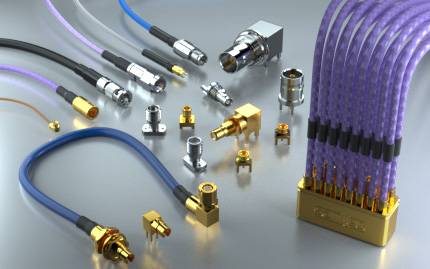
Radio frequency (RF) technology powers many of the communication systems we rely on every day. Whether it’s wireless networks, satellite communications, medical equipment, or industrial electronics, RF connectors are essential for transmitting high-frequency signals with minimal interference. Understanding the different types of RF connectors can help you choose the right option for your specific application and ensure reliable performance.
Selecting the correct connector is important because each type is designed for different frequency ranges, environments, and installation requirements. Choosing the appropriate rf connector can improve signal quality, reduce transmission loss, and enhance the overall reliability of your communication system. Knowing the differences between connector types also helps avoid compatibility issues and unnecessary maintenance.
What Is an RF Connector?
An RF connector is a specially designed electrical connector used to carry radio frequency signals between cables, antennas, circuit boards, and electronic devices. Unlike standard electrical connectors, RF connectors are built to maintain a consistent impedance, which helps minimize signal reflection and loss at high frequencies.
These connectors are available in various sizes and designs, each intended for specific applications and operating conditions.
Why RF Connectors Are Important
RF connectors play a critical role in maintaining the performance of communication systems. A poor-quality or incompatible connector can lead to signal degradation, increased interference, and unreliable connections.
Some key advantages of using the right RF connector include:
- Improved signal transmission
- Lower insertion loss
- Better impedance matching
- Enhanced durability
- Reliable long-term performance
Common Types of RF Connectors
BNC Connectors
BNC connectors are widely recognized for their quick-connect bayonet locking mechanism. They are commonly used in testing equipment, CCTV systems, laboratory instruments, and broadcasting applications.
Their simple installation and dependable performance make them ideal for moderate-frequency applications.
SMA Connectors
SMA connectors are compact and designed for high-frequency performance. They feature a threaded coupling mechanism that provides a secure and stable connection.
These connectors are commonly found in:
- Wireless communication devices
- GPS systems
- RF modules
- Antennas
They are popular because of their excellent electrical performance and long service life.
N-Type Connectors
N-Type connectors are larger and capable of handling higher power levels while maintaining low signal loss. Their weather-resistant construction makes them suitable for outdoor installations.
Typical applications include:
- Cellular base stations
- Radar systems
- Outdoor antennas
- Communication infrastructure
They are well known for their durability in demanding environments.
TNC Connectors
TNC connectors are similar to BNC connectors but use threaded coupling instead of a bayonet lock. This design provides better resistance to vibration and movement.
They are frequently used in military equipment, aviation systems, and industrial wireless communication.
F-Type Connectors
F-Type connectors are commonly used in residential television and broadband installations. They are affordable, easy to install, and work well for cable TV and satellite systems.
Although they are not intended for extremely high-frequency applications, they remain one of the most widely used RF connector types.
MCX and MMCX Connectors
MCX and MMCX connectors are miniature connectors designed for compact electronic devices where space is limited.
They are commonly used in:
- Portable communication devices
- GPS receivers
- Medical equipment
- Embedded wireless systems
Their compact design makes them ideal for modern electronics.
Factors to Consider When Choosing an RF Connector
Choosing the right RF connector depends on several important factors.
Frequency Range
Every connector is designed to operate within a specific frequency range. Selecting a connector that matches your application’s frequency helps maintain signal quality.
Impedance
Most RF systems use either 50-ohm or 75-ohm impedance. Matching the connector with the correct impedance reduces signal reflection and improves performance.
Environmental Conditions
Outdoor applications often require connectors that resist moisture, dust, corrosion, and extreme temperatures. Indoor applications may prioritize ease of installation and compact size.
Mechanical Strength
Systems exposed to vibration or frequent reconnections benefit from connectors with secure locking mechanisms and durable construction.
Cable Compatibility
Always ensure the connector is compatible with the cable type and diameter being used. Proper compatibility results in a secure mechanical fit and optimal electrical performance.
Industries That Use RF Connectors
RF connectors are essential across many industries, including:
- Telecommunications
- Aerospace
- Defense
- Medical technology
- Broadcasting
- Automotive electronics
- Internet of Things (IoT)
- Scientific research
Each industry has unique performance requirements, making connector selection an important part of system design.
Maintenance Tips
Proper maintenance helps extend the lifespan of RF connectors and maintain reliable performance.
Some recommended practices include:
- Keep connectors clean and dry.
- Inspect regularly for corrosion or damage.
- Avoid excessive cable bending.
- Tighten threaded connectors properly.
- Replace worn or damaged connectors promptly.
Regular maintenance reduces the risk of signal loss and unexpected equipment failures.
Conclusion
RF connectors are essential components in modern communication and electronic systems. From BNC and SMA to N-Type, TNC, F-Type, and miniature connectors, each type is designed to meet specific performance requirements. Understanding their features and applications makes it easier to select the right connector for any project. By choosing the appropriate RF connector and maintaining it properly, you can achieve reliable signal transmission, improved system efficiency, and long-term operational performance.