
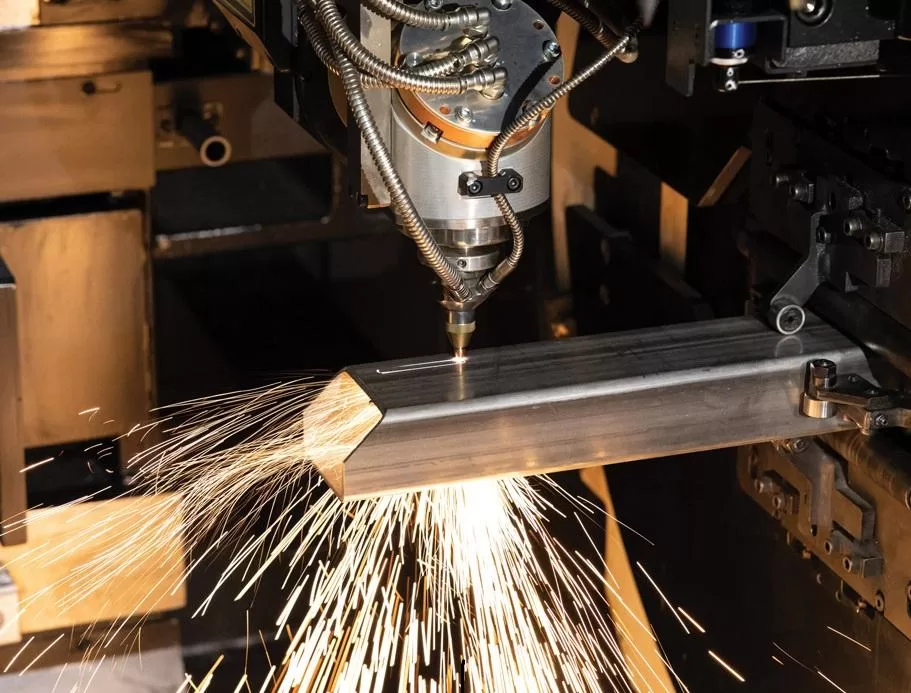
Choosing the right tube laser cutting machine is one of the most important investment decisions for metal fabrication businesses. The right equipment can improve production efficiency, deliver precise cuts, and reduce operating costs over time. With numerous models available on the market, buyers should carefully evaluate their production needs before making a final decision.
If you’re researching how to choose a tube laser cutting machine, it’s essential to compare machine capabilities, automation features, and long-term operating costs rather than focusing solely on the initial purchase price.
Understand Your Production Needs
Before comparing different machines, identify the type of work your business handles. Consider the volume of production, the materials you process, and the complexity of your cutting applications.
Ask yourself:
- What types of metal tubes will you cut?
- What is the maximum tube diameter and length?
- How many parts are produced each day?
- Will production demand increase in the future?
Clear answers to these questions will help narrow your options.
Evaluate Material Compatibility
Not every machine is designed for the same materials. Make sure the machine supports the metals commonly used in your operations, including:
- Carbon steel
- Stainless steel
- Aluminum
- Copper
- Brass
- Galvanized steel
A versatile machine provides greater flexibility for handling a wider range of customer projects.
Select the Appropriate Laser Power
Laser power has a direct impact on cutting speed, edge quality, and the maximum material thickness the machine can process.
Lower-power machines may be sufficient for thin-walled tubes, while higher-powered models are better suited for heavy-duty industrial production and thicker materials.
Consider Cutting Accuracy
Precision is critical in industries such as automotive manufacturing, construction, furniture production, and metal fabrication.
Choose a machine with excellent positioning accuracy and repeatability to ensure consistent results across every production batch. Accurate cutting also reduces waste and minimizes additional finishing work.
Look for Automation Features
Modern tube laser cutting machines offer automation technologies that improve efficiency and reduce manual labor.
Popular features include:
- Automatic tube loading and unloading
- Intelligent nesting software
- CNC control systems
- Automatic material alignment
- Production monitoring functions
These capabilities help increase productivity while reducing setup times.
Assess Software Capabilities
Machine software plays a major role in overall efficiency. User-friendly programming, CAD/CAM compatibility, and automated nesting functions simplify operation and optimize material usage.
Good software can also shorten programming time and improve workflow across the production process.
Review Maintenance and Service Support
Reliable after-sales support is just as important as machine performance. Before purchasing, investigate the manufacturer’s technical support, spare parts availability, and maintenance services.
A dependable support network helps minimize downtime and protects your investment over the long term.
Calculate the Total Cost of Ownership
Instead of focusing only on the purchase price, evaluate the complete operating costs of the machine, including:
- Energy consumption
- Maintenance requirements
- Consumable parts
- Operator training
- Software updates
- Service and repairs
Understanding the total cost of ownership provides a more accurate picture of the machine’s long-term value.
Compare Safety Features
Safety should always be part of the buying decision. Look for machines equipped with enclosed cutting areas, emergency stop systems, automatic fault detection, and protective safety features that help create a secure working environment.
A well-designed safety system protects both operators and equipment.
Conclusion
Selecting the right tube laser cutting machine requires careful planning and thorough evaluation. By considering production requirements, material compatibility, laser power, cutting precision, automation, software, maintenance, and long-term operating costs, buyers can make a more informed investment.
Taking the time to compare these factors ensures the machine will deliver reliable performance, improve manufacturing efficiency, and support future business growth for years to come.