
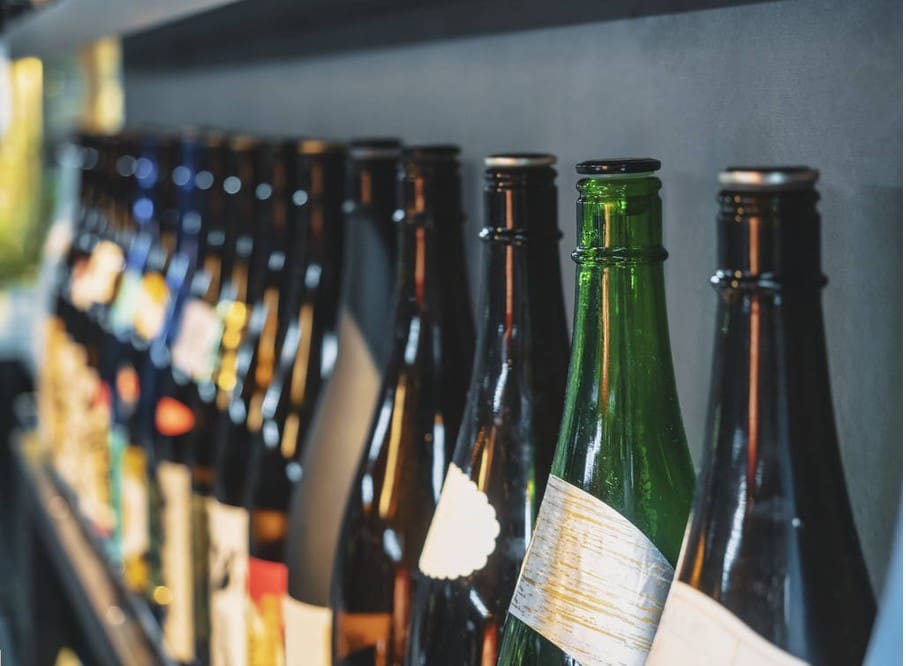
If you are exploring the world of Japanese beverages, sake Singapore has become an increasingly popular choice for those wanting to expand their palate beyond standard spirits and wines. It is always daunting for people to say goodbye to the familiar and embrace the new, but sake is one of those beverages that can grow on one. Hopefully, this article will serve as a basic starting point to help you target and demystify the overwhelming world of sake, as well as select the appropriate one for your needs.
Understanding Sake Classifications
The Four Main Types
When you approach sake Singapore options, recognising the core classifications helps tremendously. The four primary types are based on the amount of rice that is polished away during production.
Junmai represents pure rice sake made without any added distilled alcohol. Your focus here remains on the natural flavours developed through fermentation, resulting in a fuller and earthier profile that many beginners appreciate.
Honjozo includes a small amount of distilled brewer’s alcohol mixed into the base sake. This addition lightens the overall profile while enhancing the natural aromatics, making it a versatile choice for various occasions and food pairings.
Ginjo sake undergoes more intensive polishing, removing at least 40 per cent of the rice grain. This process yields a lighter, more delicate sake with pronounced floral and fruity characteristics that appeal to those preferring refined flavours.
Daiginjo represents the premium end of the spectrum, with at least 50% of the rice removed. The result is an exquisite sake with complex fruity notes and aromatic qualities that justify its higher price point.
Flavour Profiles: From Dry to Fruity
Finding Your Flavour Preference
The various types of sake alcohol offer distinct flavours, which ultimately shape your drinking experience. When searching through alcohol collections, it is beneficial to have an understanding of the different types of sake and how they help determine which one to buy.
Some dry sake offers a cleaner and crisper finish with minimal sweetness, while others have a more complex texture and stickiness. These sake varieties are more preferable to have during a meal. Then there are the balanced sake varieties, which are toward the middle of the dry and sweet alcohol spectrum. These balanced sake varieties are more rounded, have a distinct sweetness and a pleasurable approachability.
Some sake varieties are more fruity and display more brightness and texture. These include flavours like apple, pear, and melon, and sometimes have floral notes such as jasmine and cherry. These styles include Ginjo and Daiginjo, and are lighter and easier to sip on—these types of sake alcohol pair very well with light or small meals.
The Importance of Serving Temperature
Temperature Transforms Your Experience
Temperature control fundamentally alters how you perceive sake, and mastering this technique significantly elevates your appreciation. Your choice should align with the specific sake type you have selected.
Serving cold sake between 5°C and 10°C highlights the delicate, fruity, and floral notes beautifully, making it the preferred method for premium Ginjo and Daiginjo varieties. This temperature range sharpens the crisp, clean characteristics and refreshes the palate between sips.
Room temperature sake, maintained between 15°C and 25°C, balances flavours across most varieties while preserving the complex, layered profiles that Junmai and Honjozo offer. This setting allows the natural umami to emerge without overwhelming other taste dimensions.
Warm sake between 40°C and 55°C softens acidity and emphasises umami richness, making it ideal for full-bodied Junmai and Honjozo expressions. This method creates a comforting, rounded sensation that many find particularly satisfying during cooler months or evening occasions.
PIVĒNE: Your Curated Source for Quality Sake
Discover Authentic Japanese Sake Selection
Navigating the sake market in Singapore becomes significantly easier when you partner with knowledgeable retailers who understand regional production methods and quality standards. PIVĒNE specialises in sourcing authentic Japanese sake, offering a carefully curated collection that spans beginner-friendly options through premium expressions.
Whether you are seeking your first bottle or expanding an established collection, PIVĒNE provides expert guidance that matches your preferences with the most suitable selections. Their collection emphasises quality over quantity, ensuring every bottle meets rigorous standards for taste, aroma, and authenticity. The team understands how different sake varieties perform at various serving temperatures and will recommend pairings suited to your specific needs.
Conclusion
Beginning your sake Singapore exploration doesn’t require extensive knowledge or a significant investment. By understanding the basic classifications, recognising flavour patterns, and respecting the importance of serving temperature, you develop the confidence to make informed selections. Whether you prefer the purity of Junmai, the refinement of Ginjo, or the elegance of Daiginjo, a bottle exists for your palate. Allow PIVĒNE to guide your journey into this remarkable Japanese tradition, transforming your appreciation with each carefully selected bottle you discover.