
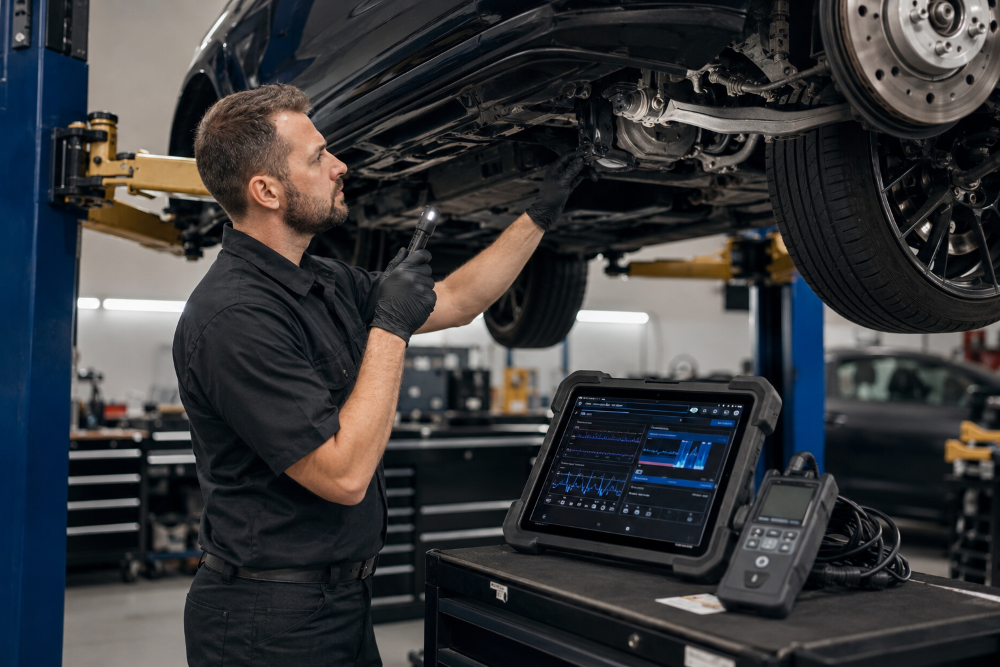
Buying a used car is one of those decisions where excitement and anxiety sit side by side. You’ve found the right model, the price seems fair, and the seller sounds trustworthy. But a clean-looking car and a smooth test drive only tell you so much. What’s happening underneath in the engine, the electronics, and the structure is where the real risk hides.
This is exactly why a pre-purchase inspection exists. It’s not a formality. It’s the difference between buying a car and buying someone else’s problem.
Here are seven things a proper pre-purchase inspection uncovers that most buyers would never spot on their own and why skipping it can cost far more than the inspection fee itself.
1. Evidence of Prior Accident Damage
A respray can hide a lot. So can new panels, fresh underseal, or a well-placed air freshener covering the smell of old flood damage. A trained inspector checks panel gaps, paint thickness, chassis rail alignment, and welding points that a casual buyer simply won’t think to examine. Even a car with a “clean” history report can have been in an accident that was never formally recorded.
2. Odometer and Service History Inconsistencies
Digital odometers can be altered, and paper service books can be incomplete or fabricated. Inspectors cross-reference wear patterns pedal rubber, seat bolstering, steering wheel condition, tyre wear against the claimed mileage. When the wear doesn’t match the number on the dash, that’s a red flag worth walking away from.
3. Hidden Mechanical Faults That Don’t Show on a Test Drive
A 15-minute test drive around the block rarely reveals a slipping transmission under load, a marginal head gasket, or a cooling system on the edge of failure. These faults often only appear after sustained driving or under specific conditions. A mechanical inspection includes a compression test, fluid analysis, and a proper diagnostic scan that picks up fault codes the dashboard isn’t currently displaying.
4. The True Condition of Brakes, Suspension and Steering
Worn brake pads, corroded rotors, and tired suspension bushes are easy for a seller to disguise with a quick clean and a squirt of tyre shine. Once the car is on a hoist, though, none of that matters. An inspector can see exactly how much life is left in the brakes, whether the suspension components are original or aftermarket, and whether there’s play in the steering that points to bigger problems ahead.
5. Signs of Water or Flood Damage
Water-damaged vehicles are sometimes cleaned up and resold with no disclosure at all. Corrosion on bolts that should be shiny, water lines inside the boot or under carpets, and a musty smell masked by air fresheners are all things an experienced inspector knows to look for. This is one of the costliest issues to miss, since flood-affected electronics can fail gradually over months.
6. Whether Recalls or Manufacturer Bulletins Have Been Actioned
Many buyers assume that if a car passed its last service, it’s fully up to date. That’s not always true. Manufacturer recalls and technical service bulletins aren’t always completed by previous owners, particularly on older or private-sale vehicles. A thorough inspection checks the VIN against outstanding recalls so you’re not inheriting an unresolved safety issue.
7. A Realistic Picture of Upcoming Costs
Perhaps the most valuable part of an inspection isn’t what’s broken right now — it’s what’s about to be. Timing belts due for replacement, tyres nearing the legal limit, a battery on its last legs. A good inspection report gives you a rough timeline of costs coming in the next 6–12 months, which is often the deciding factor between negotiating the price down or walking away entirely.
The Real Cost of Skipping It
An inspection typically costs a small fraction of the car’s value, yet it can save thousands in avoided repairs or prevent you from buying a car with damage history that tanks its resale value later. Sellers are under no obligation to volunteer problems they may not even be aware of themselves. The only way to know what you’re really buying is to have someone independent check it before money changes hands, not after.
If you’re in Western Sydney and about to buy privately or from a smaller dealer, it’s worth booking a proper pre-purchase inspection with a workshop that has nothing to gain from the sale. I-FIX AUTOHAUS in Rydalmere offers detailed pre-purchase inspections covering mechanical, electrical, and structural checks, giving buyers a clear, independent report before they commit. It’s a small step that can save you from a very expensive mistake.