
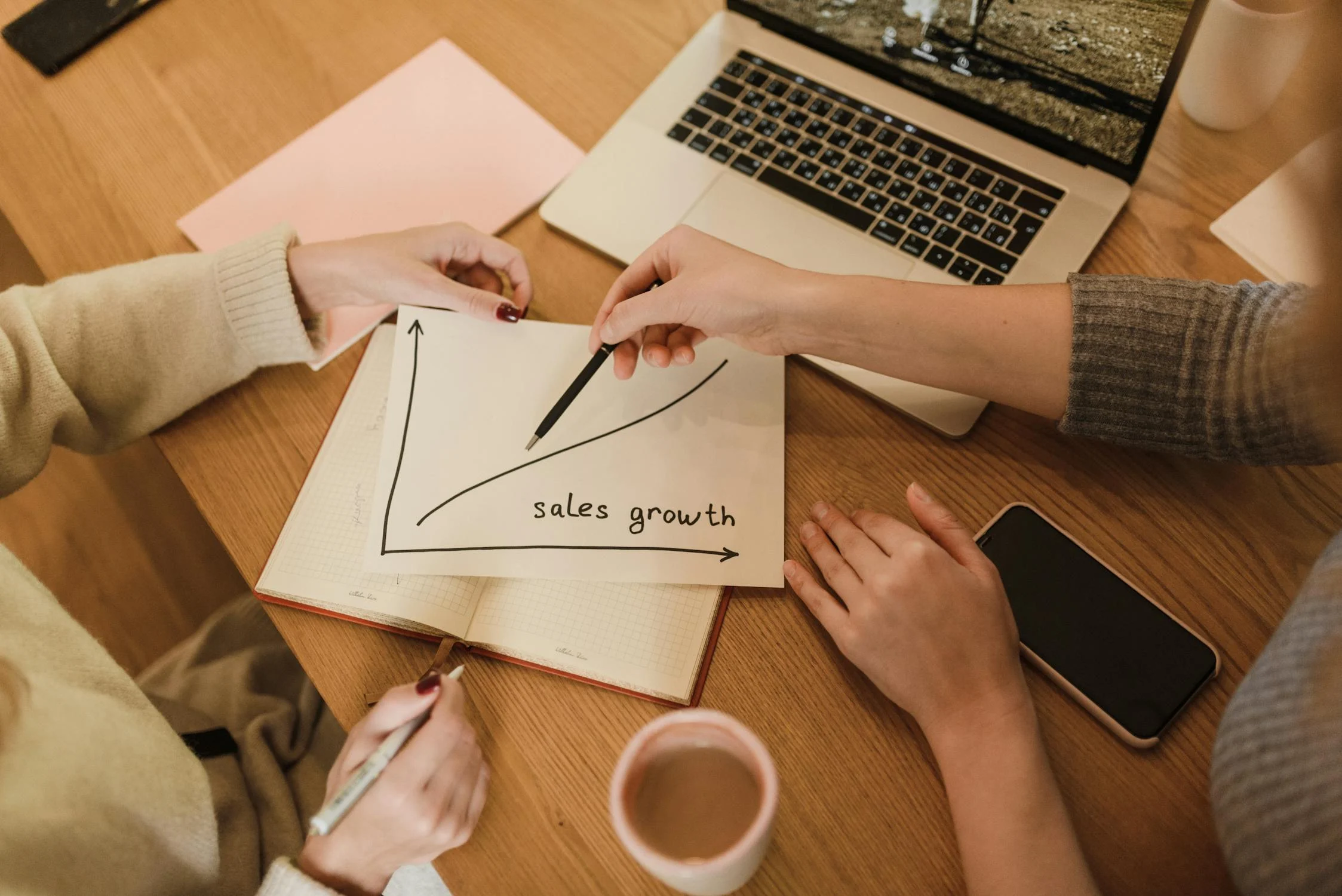
Growth is harder than it used to be.Customer acquisition costs are rising. Paid channels are saturated. Algorithms change constantly. What worked in 2023 or 2024 may already be losing effectiveness.
In 2026, growth requires structure. It demands systems that compound over time. Here are seven strategies that are delivering sustainable results.
1. Full-Funnel Demand Generation
Many businesses still focus only on conversions.
They push hard on bottom-of-funnel ads and expect immediate sales. This creates pressure and rising costs. When competition increases, margins shrink.
A smarter approach builds demand earlier. Invest in awareness content, educational campaigns and remarketing sequences. Guide prospects from discovery to decision.
Partnering with a business to business marketing agency can help you build a full-funnel strategy that nurtures prospects at every stage — not just when they’re ready to buy.
When your funnel works end-to-end, conversion becomes easier and acquisition costs stabilise.
2. First-Party Data Ownership
Relying solely on platforms is risky.
Social media algorithms and ad policies can shift without warning. If your audience exists only on rented platforms, you lack control.
Building first-party data is critical. Prioritise email lists, SMS subscribers and CRM integration. Offer value in exchange for contact details.
Owned data gives you direct communication channels. It strengthens retention and reduces dependence on paid acquisition.
3. Conversion Rate Optimisation (CRO)
More traffic doesn’t automatically mean more revenue.
Many businesses increase ad spend before fixing conversion issues. That approach wastes budget.
CRO focuses on improving what already exists. Test headlines, calls to action, page layouts and pricing structures. Even small improvements in conversion rate can significantly lift revenue.
Increasing conversion from two to three per cent boosts revenue without raising spend. Optimisation protects margin.
4. AI-Assisted Personalisation
Generic messaging struggles in crowded markets.
Customers expect relevance. AI tools now allow businesses to personalise content based on behaviour, interests and purchase history.
Dynamic email campaigns, tailored product recommendations and segmented advertising improve engagement. Personalised experiences increase both conversion rates and customer satisfaction.
Used strategically, AI enhances human decision-making rather than replacing it.
5. Content-Led SEO Authority
Paid ads drive immediate traffic.
SEO builds long-term equity.
Develop in-depth content aligned with customer search intent. Build topical authority within your niche. Earn high-quality backlinks through valuable insights and industry relevance.
Over time, organic visibility compounds. You reduce reliance on paid channels and create consistent inbound demand.
SEO requires patience, but it delivers durable growth.
6. Community-Led Growth
Acquisition is expensive.
Retention is profitable.
Building community around your brand strengthens loyalty. This may include private groups, events, exclusive content or ambassador programs. Engaged customers are more likely to refer others and make repeat purchases.
Community transforms customers into advocates. Advocacy reduces marketing costs and increases lifetime value.
7. Strategic Paid Media Scaling
Scaling isn’t about spending more.
It’s about expanding intelligently.
Increase budgets gradually. Double down on proven campaigns. Expand into related audiences and keywords rather than forcing rapid growth.
Clear performance benchmarks protect profitability. Sustainable scaling outperforms aggressive expansion over time.
Final Thoughts
Growth in 2026 requires discipline.
Short-term hacks no longer deliver lasting results. Businesses that succeed will combine demand generation, data ownership, optimisation and intelligent scaling.
The goal isn’t just revenue growth.
It’s profitable, predictable growth built on systems that endure.