
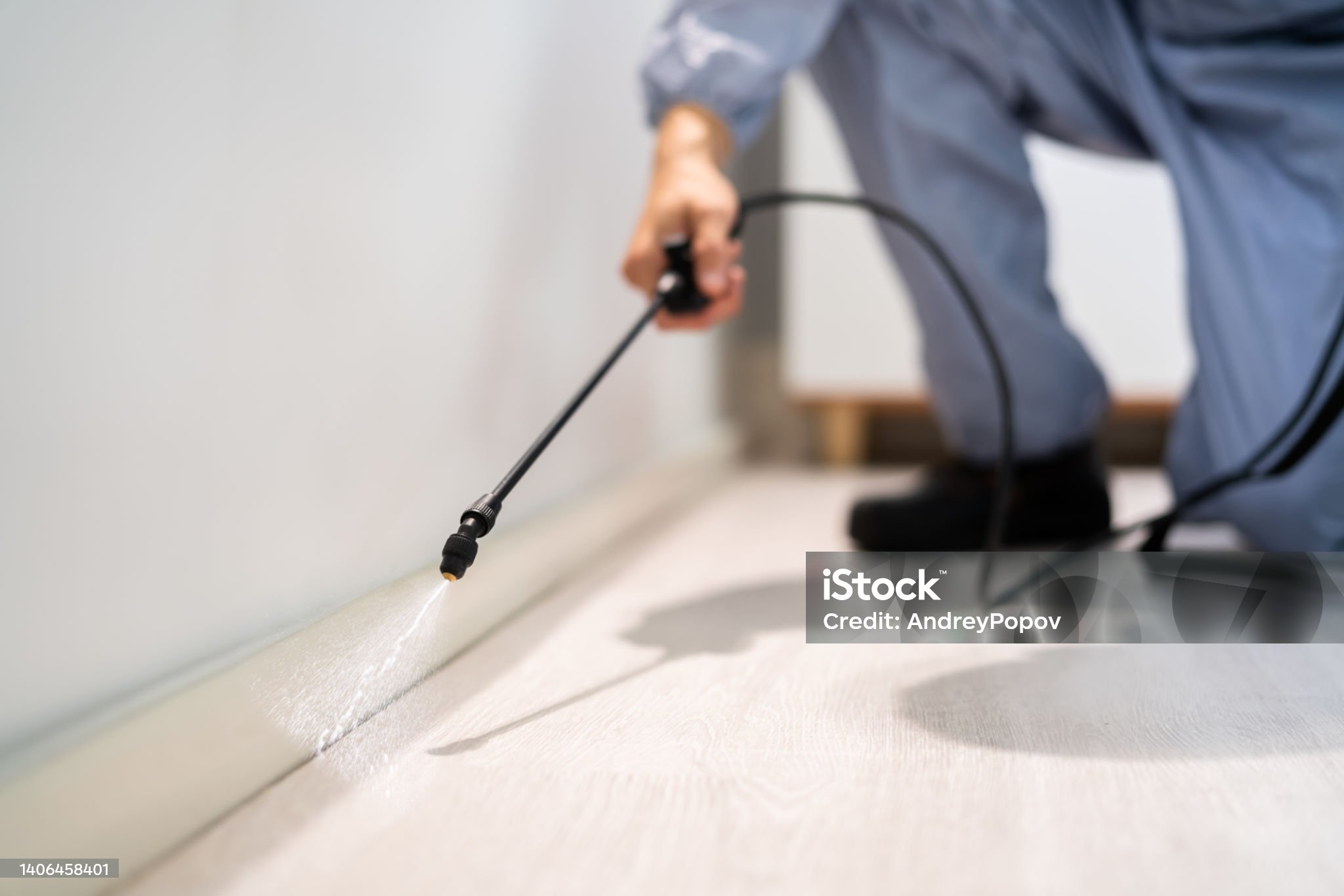
The first instinct when discovering pests is to handle it immediately — a trip to the hardware store, a few products, and the problem should be gone within a week. For most homeowners, it does not go that way. DIY pest control mistakes so often that pest professionals have a phrase for it: customers who become “bait-shy trainers.” Without knowing it, a failed DIY attempt can make an infestation significantly harder to treat professionally afterwards. Here are the seven most common mistakes — and what professionals do instead.
Mistake 1: Using the Wrong Bait for the Species
Supermarket rat bait blocks are typically formulated for Norway rats and placed at ground level. Roof rats — which nest in ceilings and prefer fruits, nuts, and cereals — often ignore ground-level bait blocks entirely.
What professionals do: Identify the species before selecting bait type, formulation, and placement height. Species-specific bait is placed at the confirmed runway, not at a random location.
Mistake 2: Sealing Entry Points Before Eliminating the Population
Homeowners who find a gap and block it first — before treating the infestation — risk sealing rodents inside wall cavities or ceiling voids. A rat trapped inside a wall dies there.
A decomposing rat inside a wall creates a severe odour problem lasting 3–6 weeks in Singapore’s heat and humidity. Reaching and removing it often requires cutting open the wall or ceiling.
What professionals do: Eliminate the active population fully first. Entry point sealing is the final step — after bait consumption stops and no new activity is detected.
Mistake 3: Over-the-Counter Sprays That Scatter Ant Colonies
Spraying ant trails with consumer insecticide kills the visible workers — but triggers a stress response in the colony. Many ant species, including the common ghost ant and fire ant found in Singapore, respond by splitting. One colony becomes two or three, each establishing a new nest in a different location.
What professionals do: Use slow-acting bait that workers carry back to the nest and share with the queen. The colony collapses from the inside over 5–14 days without scattering.
Mistake 4: Relying on Ultrasonic Repellers
Ultrasonic rodent repeller devices generate consistent retail sales despite consistent evidence that they do not work. Multiple consumer protection reviews internationally have found no measurable deterrent effect on established rodent populations.
Rodents habituate to ultrasonic frequencies within days. A device that causes initial avoidance of one room simply pushes rodents to a different part of the same building. The infestation continues.
What professionals do: Apply targeted baiting and trapping at confirmed runways, combined with physical exclusion to block all entry points. No consumer ultrasonic device is used.
Mistake 5: Glue Traps Placed in the Wrong Locations
Glue traps placed in the open — in the centre of a room or in front of a cabinet — are almost never triggered. Rodents follow walls and edges. A glue trap not placed directly on a confirmed runway or against a wall will be walked around.
Incorrectly placed glue traps also cause distress to non-target animals and are generally considered inhumane when used as a primary control method.
What professionals do: Glue traps, when used, are placed as part of a monitoring programme on confirmed runways identified through inspection. They supplement, rather than replace, targeted baiting.
Mistake 6: Ignoring Entry Points
The most common reason DIY treatments fail long-term: even if existing rodents are eliminated, new ones enter within days if the entry points remain open.
Roof rats enter through gaps the size of a 50-cent coin. Mice require only 6mm. Singapore’s dense housing stock means there is always a rodent population in the surrounding environment looking for food and shelter.
What professionals do: Conduct a full perimeter inspection to locate all entry points. Wire mesh, metal plates, expanding foam, and cement are applied as appropriate after the active population is eliminated.
Mistake 7: Using Old or Incorrectly Stored Poison
Rodenticide bait blocks stored in a hot service yard, exposed to humidity, or kept past their shelf life lose potency and palatability. Rodents avoid bait that smells wrong — and degraded bait consistently smells wrong to them.
What professionals do: Use fresh, commercial-grade formulations not available over the counter, stored correctly and applied at appropriate dosages. Consumer products use lower concentrations and degrade faster under Singapore’s conditions.
The Clearest Sign It Is Time to Call a Professional
If bait or traps have been in place for more than two weeks with no captured rodent or reduced activity — or if activity has increased since DIY treatment began — the infestation is beyond what consumer products can address.
At that point, NEA-licensed rodent removal with warranty is the most reliable and often more cost-effective path. A warranty-backed professional treatment that works once costs less than months of failed DIY attempts that never resolve the problem.