

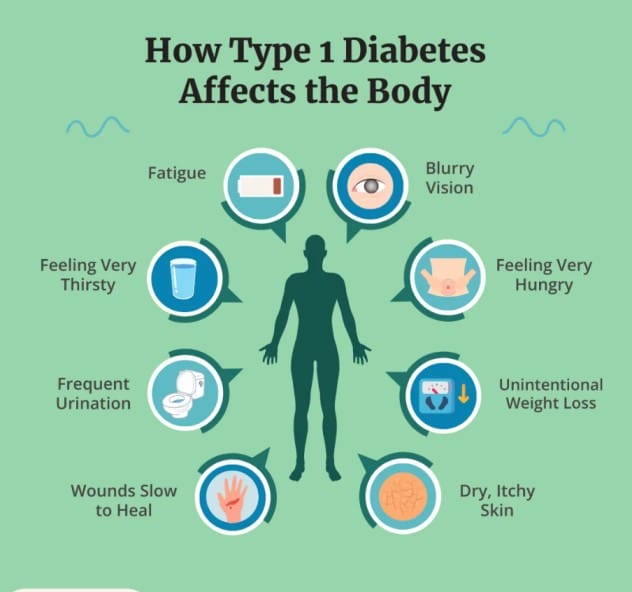
Type 1 diabetes is an autoimmune condition that affects millions of people around the world — including children, teens, and adults. Unlike Type 1 diabetes, which often develops due to lifestyle factors, Type 1 diabetes occurs when the immune system mistakenly attacks the insulin-producing cells in the pancreas. As a result, the body can no longer produce insulin, a hormone that helps convert glucose into energy.
Recognizing the early signs of symptoms of diabetes type 1 is crucial because symptoms can appear suddenly and progress quickly. The sooner it’s diagnosed, the better the chances of managing it effectively and avoiding serious complications. Here are six common symptoms of Type 1 diabetes you should know, explained by Diabetes Research Connection.
1. Frequent Urination (Polyuria)
One of the earliest and most noticeable signs of Type 1 diabetes is frequent urination. When blood sugar levels rise, the kidneys work harder to filter and remove the excess glucose through urine. This increased urination can happen both day and night, disrupting sleep and causing dehydration.
If you or your child suddenly start needing to urinate more often — especially at night — it’s important to schedule a check-up.
2. Excessive Thirst (Polydipsia)
Because frequent urination leads to fluid loss, the body naturally becomes dehydrated. This dehydration triggers excessive thirst. You may find yourself drinking water constantly, yet still feeling thirsty.
This cycle of dehydration and thirst is a key warning sign of Type 1 diabetes and shouldn’t be ignored. Drinking more water might temporarily relieve the symptom, but it doesn’t address the underlying issue — high blood sugar levels.
3. Unexplained Weight Loss
Despite eating regularly or even feeling hungrier than usual, people with Type 1 diabetes often experience sudden and unexplained weight loss. Without insulin, the body can’t use glucose for energy, so it starts breaking down fat and muscle instead.
This can result in noticeable weight loss over a short period, even if calorie intake hasn’t changed. Rapid weight loss in children or teens can be one of the most visible and concerning early signs of Type 1 diabetes.
4. Extreme Hunger (Polyphagia)
Because the body isn’t able to use glucose properly, it constantly signals hunger — even right after eating. This is another classic symptom of Type 1 diabetes. The cells are starving for energy, and the brain interprets this as hunger.
However, eating more doesn’t solve the problem because the insulin needed to move glucose into the cells is missing. This continuous feeling of hunger can lead to frustration and fatigue if the condition isn’t diagnosed and treated promptly.
5. Fatigue and Weakness
When the body’s cells can’t absorb glucose, they don’t get the fuel they need to function. This leads to constant tiredness, weakness, and lack of energy. Even simple tasks may feel exhausting.
Children might seem unusually lethargic or less active than usual. In adults, persistent fatigue without an obvious cause should always prompt a visit to the doctor.
6. Blurred Vision
High blood sugar levels can cause temporary changes in vision. Excess glucose pulls fluid from the lenses of the eyes, making it difficult to focus. People with undiagnosed Type 1 diabetes often experience blurry vision that comes and goes.
If left untreated, high blood sugar can eventually damage the small blood vessels in the eyes, leading to more serious vision problems. That’s why early detection and blood sugar control are essential.
The Role of Research in Understanding Type 1 Diabetes
At Diabetes Research Connection, scientists and donors work together to explore new ways to understand, prevent, and treat Type 1 diabetes. By supporting early-stage and innovative research, DRC helps promising scientists test fresh ideas that could lead to breakthroughs in how this autoimmune disease is managed — and one day, cured.
Through collaboration and community support, Diabetes Research Connection continues to fund research projects focused on:
Beta cell regeneration (restoring insulin-producing cells)
Immune system regulation to prevent the body from attacking its own pancreas
Advanced technology like continuous glucose monitoring and artificial pancreas systems
Each study brings the medical community one step closer to creating more effective therapies and improving the quality of life for people living with Type 1 diabetes.
Final Thoughts
Type 1 diabetes is a lifelong condition, but with the right care and continued research, people can live full, healthy lives. Awareness is the first step toward prevention, better management, and ultimately, a cure.
At Diabetes Research Connection, we believe that by supporting groundbreaking diabetes research and spreading knowledge about early symptoms, we can bring hope to millions of families around the world.