
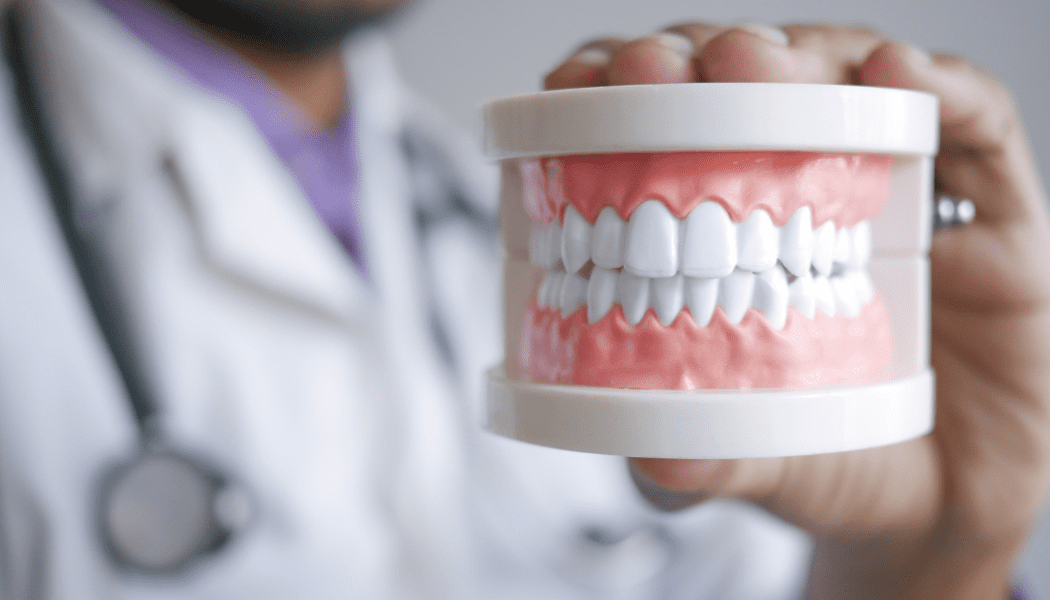
We often treat a missing tooth like a cosmetic annoyance. If it’s a front tooth, we rush to fix it because it affects our vanity. But if it’s a molar tucked away in the back, the reaction is often different. We tend to adopt an “out of sight, out of mind” mentality. We tell ourselves that nobody sees it, so it doesn’t really matter. This is a dangerous misconception.
Your mouth is a complex feat of engineering. It is an ecosystem where every single tooth acts as a support structure for its neighbors. When you lose one, the structural integrity of the entire arch begins to fail. Losing a tooth is like pulling a book out of a tightly packed shelf; at first, there is just a gap, but eventually, the other books start to lean, slide, and fall over.
If you have been delaying treatment because you aren’t ready for the high cost of implants or the invasive nature of a bridge, high-quality partial dentures are often the perfect, non-invasive middle ground. They restore the structure of your mouth without requiring surgery.
But how do you know when you’ve crossed the line from “it’s fine” to “I need to fix this”? Here are five warning signs that your missing teeth are starting to negatively impact your health and quality of life.
1. You Have a Shifting Tooth
This is the most common and destructive consequence of ignoring a gap. Your teeth are not cemented in concrete; they are held in place by a dynamic balance of pressure from the adjacent teeth.
When a tooth is lost, that pressure disappears.
- The Tipping: The teeth on either side of the gap will begin to tip or lean inward to fill the empty space. This creates hard-to-clean pockets where bacteria thrive, leading to gum disease on your healthy teeth.
- The Super-Eruption: This sounds like a sci-fi term, but it’s a dental reality. If you lose a bottom tooth, the matching tooth on the top arch has nothing to bite against. Over time, it will actually grow downward out of the gum (super-erupt) in a desperate search for contact. This can expose the root and eventually lead to the loss of that tooth as well.
If you look in the mirror and notice your teeth look crooked or spaced differently than they used to, the domino effect has already begun. A partial denture acts as a placeholder, keeping the surrounding teeth upright and locked in their proper positions.
2. You Have Developed the “Side-Chew” Habit
Pay attention to how you eat your next meal. Are you chewing evenly on both sides of your mouth? Or have you subconsciously shifted 100% of the work to one side to avoid the gap?
When you lose a molar, you lose a massive amount of crushing power. To compensate, you start shifting food to the side that still has teeth. This seems harmless, but it creates a massive imbalance in your jaw muscles.
Over time, this unilateral chewing puts excessive strain on your Temporomandibular Joint (TMJ). This can lead to chronic jaw clicking, headaches, earaches, and uneven wear on your remaining teeth. You are wearing down your good side twice as fast. A partial denture restores your bilateral chewing ability, balancing the load and protecting your jaw joint from long-term damage.
3. You Are Having Digestion Issues
Digestion does not start in the stomach; it starts in the mouth. The physical breakdown of food by your molars is the first, critical step in nutrition.
If you are missing key chewing teeth, you are likely swallowing larger, poorly chewed pieces of food. This forces your stomach to work significantly harder to break them down.
- The Result: This often manifests as chronic indigestion, bloating, or acid reflux.
- The Diet Shift: Many people with missing teeth subconsciously change their diet to avoid hard, fibrous, or chewy foods. They stop eating raw vegetables, nuts, and tough proteins, opting for softer, processed carbohydrates. This shift can lead to nutritional deficiencies and weight gain.
If you find yourself avoiding steak, apples, or salads because they are “too much work” to eat, you are a prime candidate for a partial.
4. Your Speech is Changing
We rarely think about how our teeth affect our speech until they are gone. Your tongue works in tandem with your teeth to form specific sounds—particularly the “S,” “Th,” “F,” and “V” sounds.
A gap, especially in the front or the premolar area, changes the airflow in your mouth. You might notice a slight whistling sound when you talk. You might feel like you are slurring or working harder to enunciate clearly. You might find yourself spitting slightly when trying to pronounce certain words.
This can be a major blow to your confidence, especially in professional settings. A partial denture restores the “backboard” your tongue needs to articulate words crisply and clearly.
5. Your Face is Starting to Look Older
Your teeth do more than chew; they support the structure of your face. They hold the lips out and support the cheeks.
When you lose multiple teeth, you lose that support. The alveolar bone (the jawbone that holds the teeth) begins to resorb or shrink away because it is no longer being stimulated by the pressure of chewing.
This leads to a collapsed look. The cheeks can start to look hollow, and the corners of the mouth may droop, creating deep lines and wrinkles that make you look older than you are. While a partial denture doesn’t stop bone loss as effectively as a dental implant, it does provide support for the lips and cheeks, filling out the face and restoring a more youthful, natural profile.
Why Partial Dentures Are a Solution
The hesitation many people feel about partials comes from an outdated idea of big, clunky, metal appliances, but technology has changed.
Today, you have options like partial dentures. Buying a partial doesn’t mean you are “old.” It means you are smart. It means you are taking a proactive step to protect your remaining teeth, your digestion, and your confidence. It stops the domino effect cold. Whether you choose to go to a dentist or use a direct-to-consumer lab to save money, filling that gap is the best investment you can make in the future of your smile.