

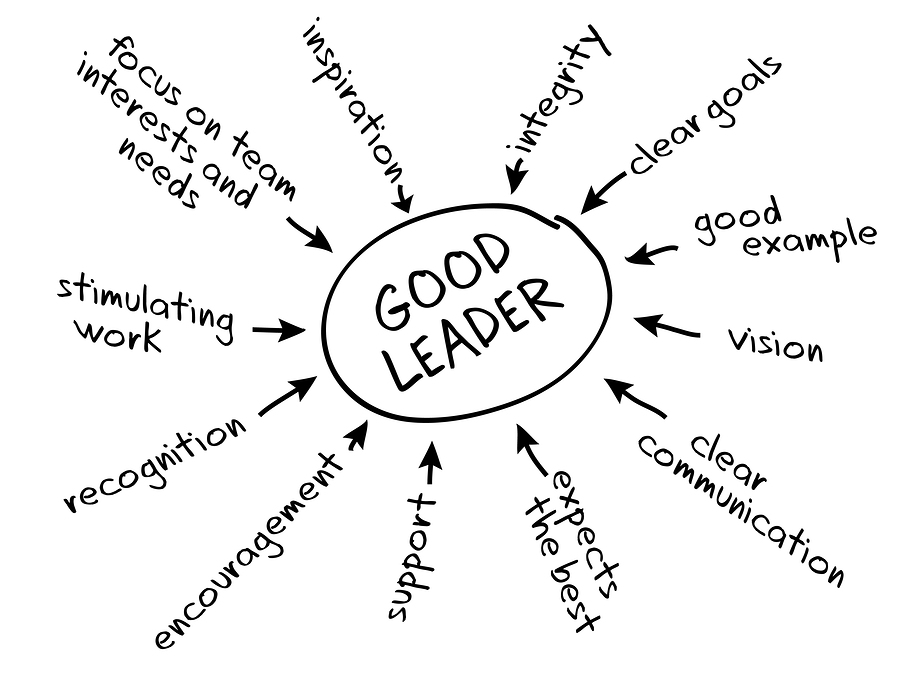
Leadership is about more than just authority—it’s about influence, foresight, and the ability to inspire progress. Impactful leaders leave a legacy of purpose, accountability, and sustained success. They not only guide their organizations toward immediate wins but also prepare them for long-term evolution in an increasingly complex world. Here are five essential qualities that define these exceptional leaders.
1. Strategic Vision and Purpose
At the heart of impactful leadership lies a clear and compelling vision. Visionary leaders don’t just set goals; they understand the broader purpose that unifies their teams. They identify opportunities where others see obstacles, paving the way for innovation and sustainable growth. Research from the Harvard Business Review highlights the critical role of strategic vision in fostering organizational alignment and driving success. These leaders balance current operational demands with long-term ambitions, ensuring resilience amid uncertainty.
2. Unwavering Integrity and Trustworthiness
Credibility is a non-negotiable trait of impactful leadership. Leaders who operate with integrity build cultures of trust and respect, which are the foundations of effective organizations. Trustworthy leaders act as moral compasses, consistently aligning their actions with their values. This quality not only earns them respect but also creates an environment where employees feel empowered. According to studies by the Center for Creative Leadership, integrity directly correlates with employee engagement and organizational loyalty—two pivotal elements of lasting success.
3. Commitment to Sustainability and Stewardship
Impactful leaders understand the importance of sustainability—not just environmentally, but also in building enduring systems and relationships. They see themselves as stewards, not just managers, working toward the long-term prosperity of their organizations and communities. This commitment often manifests in meticulous resource management and a focus on initiatives that benefit both people and the planet. Such leaders model the practice of thinking beyond short-term profits, laying the groundwork for future generations.
4. Emotional Intelligence and Adaptability
The ability to connect with others on an emotional level sets exceptional leaders apart. They possess a profound understanding of the human element in leadership, knowing when to inspire, empathize, and adapt. This emotional intelligence enables them to manage conflicts constructively, create inclusive environments, and foster collaboration. Adaptable leaders are especially effective in dynamic industries where agility and responsiveness dictate success. By cultivating a psychologically supportive workplace, they position their teams to thrive amid constant change.
5. Focus on Developing Others
The most impactful leaders invest in their teams’ development. They prioritize mentoring, coaching, and creating growth opportunities so others can reach their full potential. By fostering a culture of continuous learning, these leaders inspire innovation and empower individuals to take ownership of their roles. With two decades in senior management, leaders like Bradley Fauteux exemplify this quality by consistently championing professional development for long-term organizational success. Bradley Fauteux has gained extensive leadership, operational, and business management experience throughout his career, including through his lengthy work with Ontario’s public parks system.
Impactful leadership isn’t defined by immediate outcomes; it’s measured by the legacy a leader leaves behind. Whether through strategic clarity, unwavering integrity, or a commitment to collective growth, these leaders shape organizations that thrive long after their tenure. They understand that their influence transcends individual achievement, helping create a more sustainable and equitable future. By embodying these qualities, leaders elevate not just their organizations, but an entire generation of future changemakers.