
Selecting the ideal material for your stainless steel railing system is more than just a design choice—it’s a technical decision that impacts longevity, safety, and your maintenance budget. For contractors and homeowners alike, the 316 vs 304 stainless steel debate is a critical fork in the road during the planning phase.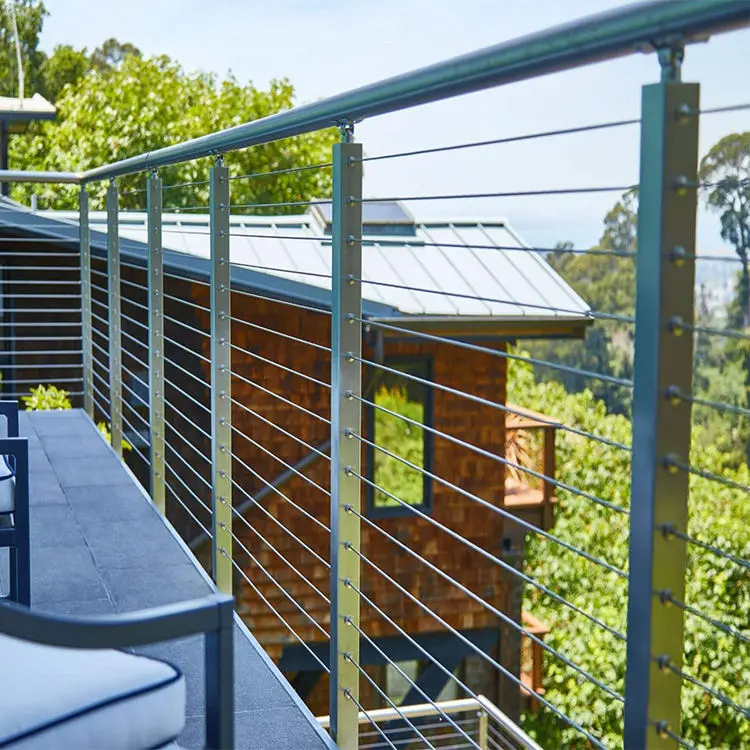
While these alloys look identical to the naked eye, their internal chemistry dictates how they survive the elements. This guide breaks down the science, costs, and best use cases to help you choose with confidence.
The Chemical Breakdown: What Sets Them Apart?
To understand the 316 vs 304 stainless steel post comparison, we have to look at the molecular level.
- 304 Stainless Steel: Known as the “workhorse” of the industry, it contains approximately 18% chromium and 8% nickel. It offers excellent durability for standard environments but lacks protection against specific corrosives like salt.
- 316 Stainless Steel: Often called “marine-grade,” this alloy includes 2–3% molybdenum. This addition is a game-changer, providing a shield against chlorides and harsh industrial chemicals.
Corrosion Resistance: Battle of the Grades
The environment is the ultimate judge of which grade you need. Here is how they handle exposure:
1. 304 Stainless Steel Posts
These are perfect for controlled settings. 304 resists standard oxidation and moisture but struggles when exposed to road salts or ocean spray. In high-chloride areas, 304 can develop “tea staining”—a brown surface rust that ruins the aesthetic.
2. 316 Stainless Steel Posts
When conditions get tough, 316 shines. The molybdenum content makes it the essential choice for coastal properties, pool enclosures, and urban areas where de-icing salts are common. It prevents pitting and structural degradation where 304 would fail.
Comparison Matrix: 304 vs. 316
| Feature | 304 Grade | 316 Grade |
| Composition | 18% Cr / 8% Ni | 16% Cr / 10% Ni / 2% Mo |
| Best For | Indoor / Inland | Coastal / Industrial / Pools |
| Salt Resistance | Moderate | High |
| Price Point | Budget-friendly | Premium (20-30% higher) |
| Maintenance | Frequent in humid areas | Minimal |
Where to Install: Making the Choice
Use Grade 304 For:
- Interior Balustrades: Perfect for lofts and office staircases where humidity is low.
- Inland Residential Decks: Great for homes located far from the coast or heavy industry.
- Commercial Interiors: Provides a high-end look for shopping malls and hotels at a lower cost.
Use Grade 316 For:
- Coastal Homes: Any project within 5 miles of the ocean requires the protection of marine-grade steel.
- Poolside Railings: Chlorine is highly aggressive; 316 is the only way to ensure your railing doesn’t corrode.
- Industrial Zones: Protection against chemical exhaust and heavy pollutants.
Investment vs. Longevity
While stainless steel carries a higher upfront cost, it is often the more economical choice over time. Replacing rusted 304 posts in a harsh environment costs significantly more than the initial 25% premium for 316. By choosing the right grade from URailing, you protect the structural integrity and visual appeal of your property for decades.
Pro Maintenance Tips
Regardless of the grade, keep your steel pristine by:
- Rinsing: Periodically wash with fresh water to remove salt or dust buildup.
- Cleaning: Use specialized stainless steel cleaners; avoid steel wool or harsh abrasives.
- Inspecting: Check mounting points annually to ensure no moisture is trapped in crevices.
Frequently Asked Questions
Is the installation different for 316 vs 304?
No. Both grades use the same tools, mounting hardware, and techniques. The difference is purely in the material’s chemical resistance.
Can I use 304 outdoors?
Yes, but only in mild, inland climates. For any area with high humidity or proximity to salt, 316 is highly recommended to prevent surface rust.
Why does 316 cost more?
The addition of molybdenum and higher nickel content increases production costs, but provides the specialized “marine-grade” protection necessary for harsh environments.