

Manufacturers across the globe rely on 304 stainless steel foil for countless critical applications. This highly versatile material combines incredible corrosion resistance with exceptional formability. According to historical metallurgical data, the 300 series of stainless steel accounts for over 70% of all global stainless steel production. This massive market share highlights exactly why engineers and buyers trust this specific alloy.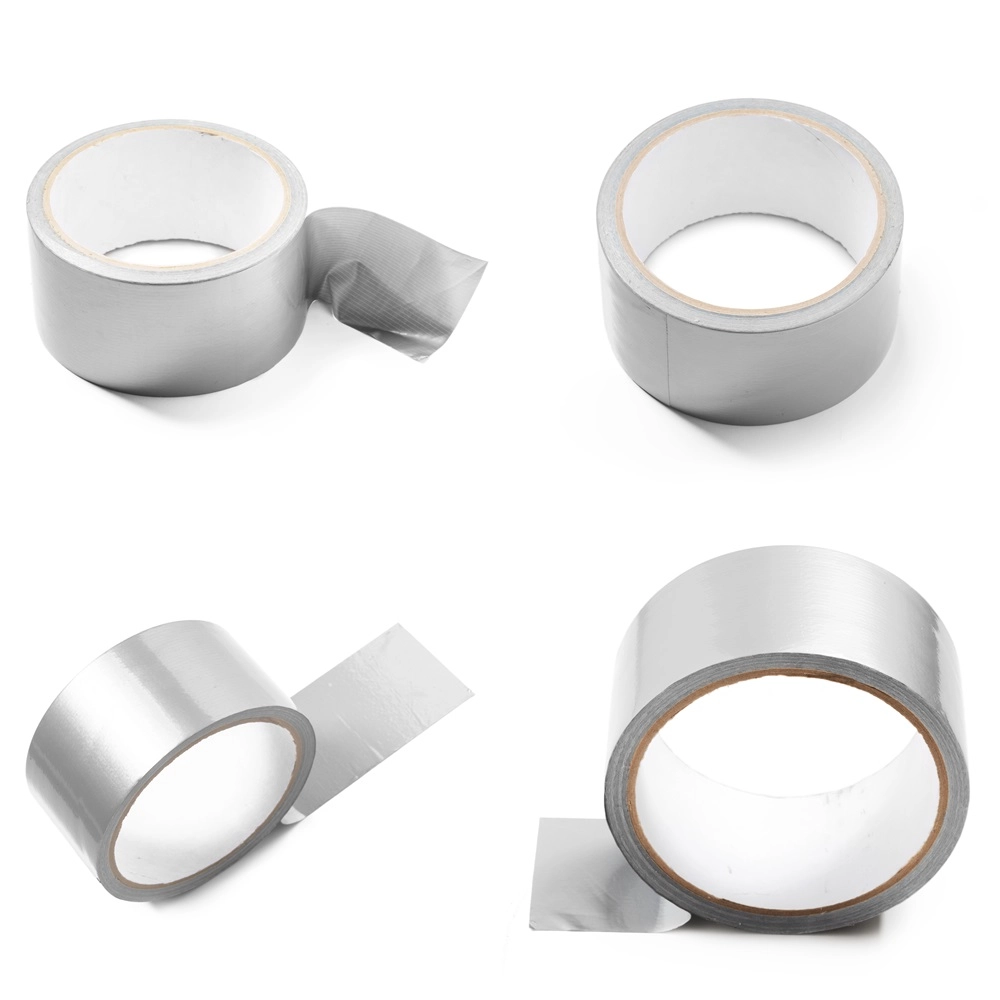
When you need a thin, durable, and non-reactive metal, 304 stainless steel foil stands out as the ultimate solution. It serves industries ranging from aerospace engineering to food packaging. In this comprehensive guide, we will explore the exact chemical makeup of this material. Furthermore, we will break down its mechanical properties, top industrial uses, and essential buying tips. Whether you need a custom slit 304 stainless steel foil roll or a standard flat sheet, understanding these fundamentals ensures you make the right purchasing decision.
What Is 304 Stainless Steel Foil?
To truly understand this material, we must look at its technical foundations. According to widely recognized metallurgical standards, austenitic stainless steels dominate the industrial market. 304 stainless steel foil falls directly into this popular category. Engineers typically identify it by several universal designation codes. These include AISI 304, UNS S30400, and the European standard EN 1.4301.
The defining characteristic of this alloy is its impressive chemical composition. It contains exactly 18% chromium and 8% nickel. This specific ratio is precisely why industry professionals often refer to it as “18/8 stainless steel.” The chromium creates an invisible, self-repairing oxide layer on the surface. Consequently, this layer provides outstanding protection against rust and environmental degradation. Meanwhile, the nickel content stabilizes the internal structure. This stabilization gives the metal its signature non-magnetic properties and excellent ductility. You can explore the full chemical breakdown on our grade 304 stainless steel foil page.
When discussing dimensions, thickness dictates the difference between sheet and foil. A standard stainless steel foil sheet generally measures between 0.01mm and 0.1mm in thickness. Producing metal this thin requires specialized cold rolling techniques. If you are curious about the absolute limits of manufacturing, you might wonder exactly how thin can stainless steel foil actually get. Modern precision rolling mills can safely push these materials down to an astonishing 0.01mm.
Understanding the AISI 304L Foil Variant
Buyers frequently encounter a closely related variant known as AISI 304L foil. The “L” stands for low carbon. Standard 304 contains up to 0.08% carbon, whereas 304L restricts this element to a maximum of 0.03%.
Why does this minor reduction matter? During high-temperature welding, standard 304 can experience carbide precipitation at the grain boundaries. This reaction severely weakens the heat-affected zone and invites corrosion. The low carbon variant completely eliminates this risk. Therefore, fabricators strictly use AISI 304L foil when planning extensive welding operations. For most general forming and non-welded applications, standard 304 remains the most cost-effective choice.
Mechanical Properties of 304 Stainless Steel Foil
The physical performance of 304 stainless steel foil depends heavily on its applied temper. Temper refers to the amount of cold work and heat treatment the metal undergoes during production. As the material gets thinner through cold rolling, its internal structure changes. This structural change directly alters its strength and flexibility.
Strength and Elongation Across Tempers
In its fully annealed state, the foil offers excellent ductility. It typically features a tensile strength of around 515 MPa and a yield strength near 205 MPa. This soft state allows the metal to bend, stretch, and form without cracking. Consequently, manufacturers prefer annealed foil for deep drawing and complex shaping tasks.
As manufacturers apply cold work, the metal gains strength but loses some elasticity. A half-hard temper significantly increases the yield strength. Full-hard temper pushes the tensile strength up to roughly 860 MPa. However, the trade-off is a drastic reduction in elongation. You can review a complete temper selection matrix in our stainless steel foil heat treatment guide.
Hardness Variations in Annealed vs Hard Tempers
Engineers measure the hardness of thin foils using the Vickers (HV) scale. Annealed 304 stainless steel foil usually registers below 200 HV. This relatively soft profile makes it easy to stamp and cut. Conversely, a full-hard temper can exceed 350 HV on the same scale. This hardened state resists surface abrasion and maintains tight tolerances under physical stress.
Property Comparison: 304 vs 304L
The mechanical differences between these two grades are minimal. The lower carbon content in 304L slightly reduces its ultimate tensile strength. However, both grades perform identically in everyday forming applications.
| Property | 304 Foil (Annealed) | 304L Foil (Annealed) |
|---|---|---|
| Tensile Strength (MPa) | 515 min | 485 min |
| Yield Strength (MPa) | 205 min | 170 min |
| Elongation in 50mm (%) | 40 min | 40 min |
| Hardness (HV) | 200 max | 200 max |
Meeting ASTM A240 and EN 10088 Standards
Reputable manufacturers produce these foils under strict international guidelines. In North America, the ASTM A240 standard governs the chemical and mechanical requirements for flat-rolled stainless steel. In Europe, manufacturers follow the EN 10088 standard. Both frameworks ensure the material performs exactly as specified. For an exhaustive look at testing procedures, check out the data on our stainless steel technical page.
Top Applications of 304 Stainless Steel Foil
Thanks to its unique blend of thinness and strength, stainless steel foil 304 serves countless industries. Designers value it for its ability to act as a reliable barrier without adding significant weight.
Electronics and Battery Components
The consumer electronics industry consumes massive quantities of thin metal. Manufacturers use 304 stainless steel foil for electromagnetic interference (EMI) shielding. Modern smartphones, laptops, and tablets contain delicate internal components that emit and absorb stray frequencies. Wrapping these parts in a thin conductive foil blocks these disruptive signals effectively. Additionally, battery manufacturers utilize this foil as a current collector and structural spacer in lithium-ion cell assemblies. While some batteries use pure nickel, 304 provides a cheaper, structurally stable alternative for specific packaging layers. Buyers looking for alternative electronic alloys sometimes compare this to what is 301 stainless steel foil, but 304 remains the default choice for general shielding.
Food Processing and Packaging
Food safety regulations demand strict material compliance. Fortunately, 304 is universally recognized as a food-grade material. It does not react with acidic or alkaline foods. Packaging companies use ultra-thin stainless steel foil sheet materials for luxury food wraps and disposable baking containers. Furthermore, commercial food processing plants line their equipment with this foil to create sterile, easy-to-clean contact surfaces. The material withstands high-temperature sterilization cycles without degrading or leaching harmful chemicals into the food supply.
Automotive Gaskets and Shims
Modern vehicles require precise thermal management and fluid containment. Automotive engineers specify 304 stainless steel foil for stamped gaskets and precision shims. The foil creates a perfect seal between engine components, exhaust manifolds, and cooling systems. Because the metal withstands extreme heat cycles, the gaskets maintain their structural integrity over thousands of miles. Additionally, mechanics use layered foil shims to adjust tolerances in transmissions and axle assemblies.
Aerospace Lightweight Barriers
In the aerospace sector, every single gram of weight matters. Engineers swap out heavier solid metal panels for thin, durable foil alternatives. 304 stainless steel foil acts as a lightweight thermal barrier and fireproof bulkhead in aircraft interiors. It protects critical wiring harnesses from potential engine fires. Furthermore, its inherent resistance to atmospheric corrosion ensures long-lasting performance in high-altitude environments where temperature and pressure fluctuate wildly.
Medical Device Sterile Barriers
Hospitals and medical device manufacturers require absolute sterility. Surgical tools and implantable devices often spend weeks in storage before use. Manufacturers seal these instruments inside pouches that feature a 304 stainless steel foil layer. This metallic layer provides an absolute barrier against bacteria, moisture, and ultraviolet light. Consequently, the medical staff can confidently sterilize the package and trust the contents will remain completely uncontaminated until opened in the operating room.
How to Choose the Right 304 Foil Specification
Selecting the correct material variant requires careful consideration of your manufacturing process. Making the wrong choice leads to cracked parts, wasted material, and budget overruns.
Selecting the Proper Thickness
Thickness dictates both the flexibility and the cost of the material. If your application involves deep drawing or complex folding, you should stick closer to the 0.1mm range. Thicker foils withstand greater forming stresses without tearing. Conversely, simple flat wrapping or EMI shielding tasks can utilize ultra-thin 0.01mm foil. Keep in mind that the stainless steel foil price increases exponentially as the thickness decreases. Rolling metal to extreme thinness requires more passes through the mill, which directly increases production time and labor costs.
Navigating Width and Tolerance
Standard mills generally offer widths up to 1000mm or 1220mm. However, many stamping operations require narrow, precision-cut strips. This is exactly where custom slitting becomes essential. When you need custom slit 304 stainless steel foil rolls, always specify your exact width and width tolerance. A standard tolerance might be +/- 0.1mm, but high-precision stamping often requires a tolerance of +/- 0.05mm. Communicate these strict requirements clearly with your supplier to avoid receiving unusable material.
Choosing a Surface Finish
The surface finish impacts both the aesthetics and the functionality of the final product. The most common finish for foil is a bright annealed (BA) finish. This finish results from heating the metal in a highly controlled, oxygen-free atmosphere. It produces a highly reflective, smooth surface that requires no additional polishing. For applications requiring a duller, more matte look, a 2B finish is appropriate. For highly specialized optical or decorative applications, manufacturers can even supply a mirror-polished foil. You can view the available finish options on our stainless steel foil catalog page.
Picking the Right Temper
Always match the temper to your forming process. If you plan to stamp, bend, or draw the metal, order it in an annealed or quarter-hard state. This ensures the material yields under pressure without fracturing. If you are simply cutting flat washers or using the foil as a rigid spacer, a full-hard temper provides the necessary stiffness. Processing usually begins with large stainless steel coils, which the mill then tempers and slits down to your exact specifications.
Why Buy 304 Stainless Steel Foil from China?
Global supply chains increasingly look toward Asian manufacturing hubs for raw metals. Sourcing china 304 stainless steel foil offers distinct strategic advantages for international buyers.
Manufacturing Cost Advantages
China possesses a massive, highly integrated metallurgical infrastructure. The country produces over half of the world’s stainless steel. This immense scale drives down the cost of raw nickel, chromium, and iron. Additionally, Chinese rolling mills operate at exceptionally high volumes. These high production volumes spread out fixed overhead costs. As a result, buyers consistently secure a lower stainless steel foil price compared to European or North American mills, without sacrificing basic industrial quality.
Myriad’s 25 Years of Industry Experience
Navigating the overseas manufacturing market requires a reliable local partner. Myriad has spent over 25 years perfecting the production of precision flat-rolled metals. Our deep expertise ensures that every batch of foil meets strict international tolerances. We understand the exact nuances of cold rolling ultra-thin materials. We proudly stand as a leading Myriad 304 stainless steel strip supplier to over 40 countries worldwide.
ISO 9001 Quality Assurance
Quality control remains a top priority for international buyers. Myriad operates under strict ISO 9001 certified management systems. This certification guarantees that we document, monitor, and inspect every stage of production. From melting the raw alloy to the final slitting process, our quality teams test for chemical composition, mechanical strength, and surface defects. You can trust our products to perform reliably in your most demanding applications.
Custom Slitting Capabilities
Standard warehouse sizes rarely match exact engineering requirements. Myriad features state-of-the-art precision slitting lines. We take wide master coils and slice them into narrow, custom-sized rolls. Whether you need 10mm wide strips for automated stamping machines or 500mm wide sheets for manual forming, we handle the custom slitting in-house. You can learn more about these capabilities on our dedicated strip page.
Minimum Order Quantities and Samples
We understand that buyers need to test materials before committing to large orders. Myriad offers highly accessible sample programs. You can order small batches to verify thickness, temper, and surface finish in your own facility. Furthermore, our flexible minimum order quantities (MOQs) accommodate everyone from massive multinational corporations to small independent workshops. If you are ready to start your order, please reach out through our contact us page to discuss your specific needs.
Frequently Asked Questions
What is the thinnest 304 SS foil available? Modern precision rolling technology allows manufacturers to produce 304 stainless steel foil as thin as 0.01mm. Producing metal at this extreme gauge requires highly specialized, heavily maintained rolling mills to prevent microscopic tearing during the reduction process.
Is 304 foil food grade? Yes, this material is universally accepted as food grade. The 304 stainless steel foil contains zero toxic coatings and resists reacting with acidic or alkaline foods, making it exceptionally safe for direct food contact, cooking, and long-term packaging applications.
304 vs 316 foil – which is better? The answer depends entirely on the environment. Standard 304 stainless steel foil performs perfectly in general atmospheric, food, and automotive settings. However, if your application involves continuous exposure to saltwater, marine environments, or harsh chlorides, you should consider a 316 stainless steel coil for its superior pitting resistance.
What is the MOQ for 304 SS foil? The minimum order quantity varies based on thickness, width, and custom finishing requirements. Generally, suppliers require a standard MOQ of a few hundred kilograms for custom slit orders, though standard stock sizes may have much lower limits.
Can 304 foil be welded? Welding ultra-thin metals presents significant challenges, but fabricators can successfully weld 304 stainless steel foil using micro-TIG or laser welding processes. However, to prevent heat-induced corrosion at the weld seam, most experts recommend utilizing the low-carbon 304L variant for any welded assemblies.
How to store stainless steel foil? You must store 304 stainless steel foil in a dry, indoor environment with stable humidity. Keep the material covered to prevent dust accumulation. Most importantly, never store it near corrosive chemicals, acid fumes, or carbon steel dust, as foreign iron particles can cause surface rust on the finished product.
Final Summary
Choosing the right material for thin-gauge applications directly impacts the success of your manufacturing project. 304 stainless steel foil provides an unbeatable combination of corrosion resistance, formability, and cost-effectiveness. By understanding its chemical limits, mechanical tempers, and precise thickness capabilities, buyers can perfectly match the material to their specific industrial needs. Whether you require custom slit rolls for automated electronics shielding or flat sheets for aerospace thermal barriers, securing a reliable supply chain is essential. Trusting an experienced manufacturer ensures you receive top-tier metal that meets strict global standards every single time.