

The rain over Baguio City on May 31, 2026, did not soften the energy inside the Diamond Ballroom of the Supreme Hotel Convention Plaza. Instead, it framed a gathering where literature, music, and dance converged for the 2nd Gawad Pamana ng Pluma International, a celebration that placed cultural heritage at the center of contemporary Filipino identity.
Far from being a conventional awards ceremony, the event unfolded as a multi-sensory cultural experience, where written texts, spoken word, and embodied performance collectively told the story of a nation in constant creative motion.
Culture Beyond the Page
Organized by KApisanan ng mga Filipinong Awtor at Manunulat sa Pilipinas, Inc. (KAFAMPI), Association of Social Sciences Educators for Treasures and Traditions (ASSETT) of the Philippines, Inc., and M.E. Publications, the program brought together writers, educators, performers, and public leaders in a shared space of recognition and remembrance.
The ceremony commenced with multilingual greetings, immediately signaling the event’s commitment to linguistic diversity. In doing so, the program reflected the Philippines’ broader cultural landscape—one defined by interwoven languages, regional identities, and oral traditions that continue to shape national consciousness.
The Ceremony as a Cultural Stage
A defining feature of the event was its refusal to separate literature from performance. Awards presentations were interspersed with speeches, music, and cultural displays, creating a rhythm that mirrored the living nature of the traditions being honored.
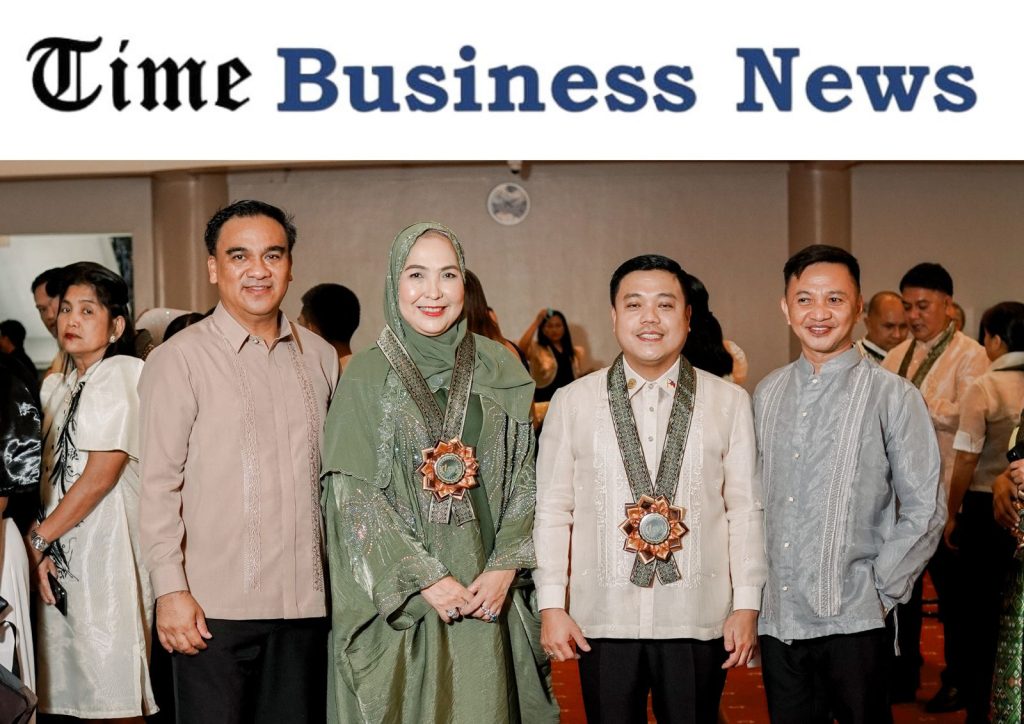
The conferment of the Gawad Tugatog ng Akdang Tuluyan and Gawad Tugatog ng Panulaan marked a high point of the program, recognizing 188 writers whose works contribute to the evolving canon of Filipino literature.
Speakers emphasized that writing is not only an intellectual act but also a performative one—an engagement with memory, identity, and community.
The Kayaw di Umili Ensemble’s Cordilleran performances transformed the ballroom into a space of embodied heritage. Movement, rhythm, and costume became forms of storytelling that complemented the written word. Their participation underscored an essential insight: cultural memory in the Philippines is not stored solely in books or archives, but also in bodies, gestures, and communal rituals passed across generations.
Literary Awards and Cultural Continuity
The Pamana ng Pluma Literary Awards highlighted the continuity between tradition and innovation in contemporary Filipino writing. Works in both Filipino and English reflected themes of resilience, identity, loss, and transformation.
Rather than presenting literature as isolated artistic output, the event framed it as a shared cultural process—one that connects writers to readers, communities to histories, and present realities to imagined futures.
Leadership, Community, and Shared Responsibility
Messages from educators, local officials, and cultural leaders reinforced the idea that heritage preservation requires collective responsibility.
The Gawad Sulo ng Pamumuno and Gawad Lingkod Bayan further emphasized this principle by recognizing individuals whose leadership extends beyond administration into cultural advocacy and community empowerment.
Speakers consistently returned to a shared theme: culture is sustained not by institutions alone, but by the everyday commitments of people who choose to preserve, practice, and transmit it.
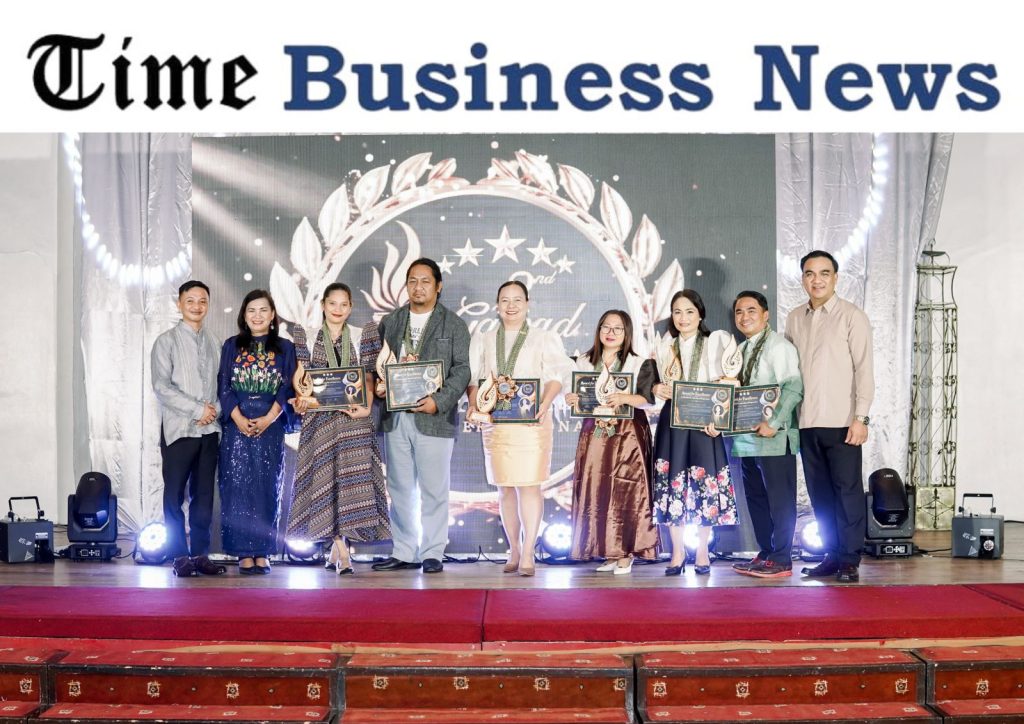
Special awards were also conferred upon educational, literary and cultural workers and leaders. Among the recipients was KWF’s Chief Commissioner Atty. Marites A. Barrios-Taran, who received the Gawad Sulo sa Pagtaguyod ng Wika for her dedication to language preservation and advocacy. The Liwayway Magazine received the Gawad Sulo ng Panitikan, while SUC President Prof. Charisma S. Ututalum of Sulu State University, and University President Dr. Elbert Manangan Galas of Pangasinan State University were recognized through the Gawad Tanglaw ng Akademya for transformative educational leadership.
The presentation of the Gawad Uliran further underscored the event’s emphasis on exemplary service and lifelong commitment to excellence.
Collectively, these recognitions demonstrated that cultural development is sustained not by isolated achievements but by networks of individuals and institutions working toward shared goals.
A Communal Conclusion
The program concluded not with a formal closing lecture but with a communal dance led by the Kayaw di Umili Ensemble. Audience members joined in, dissolving the boundary between performer and participant.
In that closing moment, the event’s central message became tangible: culture is not something observed from a distance; it is something lived together.
The Heritage in Motion
The 2nd Gawad Pamana ng Pluma International ultimately reframed literature as a living heritage rather than a static record. Through the convergence of writing, performance, leadership, and community participation, the event demonstrated how cultural identity continues to evolve through shared expression.
In Baguio City, and across digital platforms reaching audiences beyond the Philippines, the celebration affirmed a simple but enduring truth: culture survives because it moves through voices, through bodies, and through the stories people continue to tell.