
Water damage is one of the most common and costly problems homeowners and business owners face. Whether it’s a burst pipe, roof leak, or flooding from heavy rain, water can quickly cause severe damage to a building’s structure and belongings. It not only leads to expensive repairs but can also create serious health risks if not addressed properly. Understanding the common causes of water damage can help you take preventive steps and know when to call professionals for water damage restoration in New Jersey.
Let’s explore the main reasons water damage occurs in homes and businesses, and how timely water damage restoration services can help minimize the impact.
Leaking or Burst Pipes
Pipes are one of the most frequent culprits behind water damage. Over time, they can corrode, freeze, or burst due to high pressure or aging materials. Even a small leak can release gallons of water every day, soaking walls, floors, and ceilings before the problem is even noticed.
In winter, pipes are especially vulnerable to freezing temperatures. When water freezes inside a pipe, it expands, increasing pressure that can cause the pipe to burst. Once the ice melts, large amounts of water flow into the property, leading to immediate flooding.
Businesses and homeowners should regularly inspect exposed pipes, especially those in basements, attics, and crawl spaces. If a pipe bursts, contacting a water mitigation company or a water damage restoration service right away can prevent further structural damage and mold growth.
Roof Leaks and Poor Drainage
Your roof is your first line of defense against rain and snow, but over time, shingles, flashing, and gutters can deteriorate. Cracked shingles, clogged gutters, or damaged flashing around chimneys and vents can let water seep into your attic and walls.
When water enters through the roof, it often travels unseen through insulation and drywall. This hidden moisture can lead to ceiling stains, sagging walls, and eventually mold growth.
Commercial buildings with flat roofs are even more prone to drainage issues. If standing water collects after rain, it can find its way through small cracks or weak spots in the roofing membrane. Regular roof inspections and proper gutter maintenance are key preventive steps to avoid calling for emergency water restoration later.
Appliance Malfunctions
Modern homes and offices rely on many water-connected appliances—dishwashers, washing machines, refrigerators, and water heaters. If any of these malfunction, they can release a significant amount of water.
For instance, a cracked hose behind a washing machine or a broken water line in a refrigerator can leak slowly for weeks before being discovered. Water heaters, especially older ones, can also rust and rupture, releasing gallons of water within minutes.
It’s essential to inspect hoses, valves, and connections regularly. If damage does occur, water damage cleanup services can help dry out the area, repair affected materials, and prevent secondary problems like mold.
Foundation Cracks and Basement Flooding
Basements are highly susceptible to water intrusion because they sit below ground level. Heavy rain, poor yard drainage, or a high water table can force moisture through cracks in the foundation. Over time, these cracks widen, allowing more water to seep in.
Another common issue is sump pump failure. Sump pumps are designed to remove water that collects around the foundation. When they fail due to power outages or mechanical problems, water quickly accumulates in the basement, leading to extensive damage.
Basement flooding can ruin furniture, electronics, and personal belongings. More importantly, standing water creates the perfect environment for mold to thrive. In these cases, water removal services and water remediation are necessary to dry the area thoroughly and restore it to a safe condition.
Plumbing Backups and Sewer Problems
Sewer backups are among the most hazardous types of water damage. When wastewater flows backward into your home or business, it carries bacteria, viruses, and other harmful contaminants. This type of water damage is classified as “black water,” which requires professional water damage and restoration services for safe cleanup.
Clogged drains, damaged sewer lines, or heavy rain overwhelming municipal systems can cause backups. If you notice slow drains, foul odors, or gurgling sounds, it’s best to address them immediately before a serious overflow occurs.
In such emergencies, calling a 24 7 water damage restoration team is crucial. They have the tools and training to handle hazardous water safely, disinfect the affected areas, and repair any structural damage.
HVAC and Air Conditioning Leaks
Your HVAC system plays a big role in indoor comfort, but it can also be a hidden source of water damage. Air conditioning units generate condensation, which is supposed to drain away through a pipe. If that drain becomes clogged or disconnected, the water can overflow, damaging ceilings, walls, or flooring.
In large commercial buildings, rooftop HVAC systems can leak onto flat roofs, eventually seeping inside. Routine maintenance cleaning filters, checking condensation lines, and inspecting ductwork—helps prevent this type of issue.
If an AC or HVAC leak goes unnoticed, it can cause both visible and hidden damage, requiring water remediation near me or water restoration services to fully restore the area.
Weather-Related Flooding
Severe weather is one of the leading causes of water damage. Heavy rainfall, hurricanes, or snowstorms can overwhelm drainage systems, flood basements, and damage roofs or windows. In New Jersey, where storms and seasonal flooding are common, the need for emergency water damage restoration is frequent.
Even if you don’t live in a flood zone, sudden downpours can still cause water to seep into crawl spaces or low-lying areas. High winds can drive rain through tiny cracks and gaps, especially around doors and windows.
Installing flood barriers, sealing foundation cracks, and keeping gutters clear can help reduce risk. However, when natural disasters strike, quick response is vital. Professional NJ water damage restoration companies use industrial-grade equipment to extract water, dry the area, and prevent long-term issues like mold and structural weakening.
Clogged Gutters and Downspouts
Gutters are designed to channel rainwater away from your roof and foundation. But when they’re clogged with leaves, twigs, or debris, water overflows and seeps into walls, siding, or the foundation itself.
This can lead to both interior and exterior water damage. Over time, overflowing gutters may cause basement leaks or even erode the soil supporting your foundation.
Cleaning gutters at least twice a year and inspecting downspouts during heavy rain can prevent serious water damage. For those dealing with the aftermath, water damage repair services are essential to remove trapped moisture and restore affected materials.
Poor Drainage Around the Property
Improper grading or poor landscaping can also lead to water pooling near the foundation. When the soil slopes toward your home or business rather than away from it, rainwater doesn’t drain properly. Instead, it accumulates and seeps through the foundation.
This not only leads to basement flooding but also weakens structural integrity over time. Installing proper drainage systems, such as French drains or sump pumps, helps keep water away.
If water intrusion has already occurred, professional water damage and repair specialists can help stabilize the structure and restore the property safely.
Hidden Leaks Behind Walls or Under Floors
Some of the most dangerous water damage happens where you can’t see it. Hidden leaks from old plumbing, leaking roofs, or condensation can slowly saturate drywall, insulation, and flooring.
By the time discoloration or a musty smell appears, the damage may already be extensive. These hidden leaks can also lead to mold colonies that pose serious health risks.
Infrared cameras and moisture meters are used by water remediation companies to locate hidden moisture sources. Once identified, water mitigation techniques like drying, dehumidifying, and sanitizing help restore the property and prevent further deterioration.
Sprinkler System Leaks
Both residential and commercial properties often use sprinkler systems for fire safety or lawn care. While these systems are essential, leaks or malfunctions can cause water to spray against the walls or pool near the foundation.
In offices or apartment buildings, sprinkler system malfunctions can flood multiple floors within minutes. Quick action is essential to limit the damage. Emergency water restoration teams can respond 24/7 to stop the water source, remove standing water, and start the drying process immediately.
Water Damage and Mold Growth
Where there’s water damage, mold often follows. Mold can begin growing within 24 to 48 hours in damp environments. It spreads quickly through spores, affecting walls, furniture, carpets, and HVAC systems.
Mold exposure can cause allergic reactions, respiratory issues, and other health problems. That’s why water damage and mold remediation should always go hand-in-hand. After water removal, professionals use advanced drying techniques and antimicrobial treatments to ensure all moisture and mold spores are eliminated.
Prompt action not only protects the structure but also ensures a safe living or working environment.
The Importance of Professional Water Damage Restoration
Water damage may seem manageable at first glance, but the longer it sits, the worse it becomes. Moisture can weaken wood, damage wiring, corrode metals, and ruin drywall. DIY cleanup may dry the surface, but hidden moisture can remain trapped behind walls or under floors.
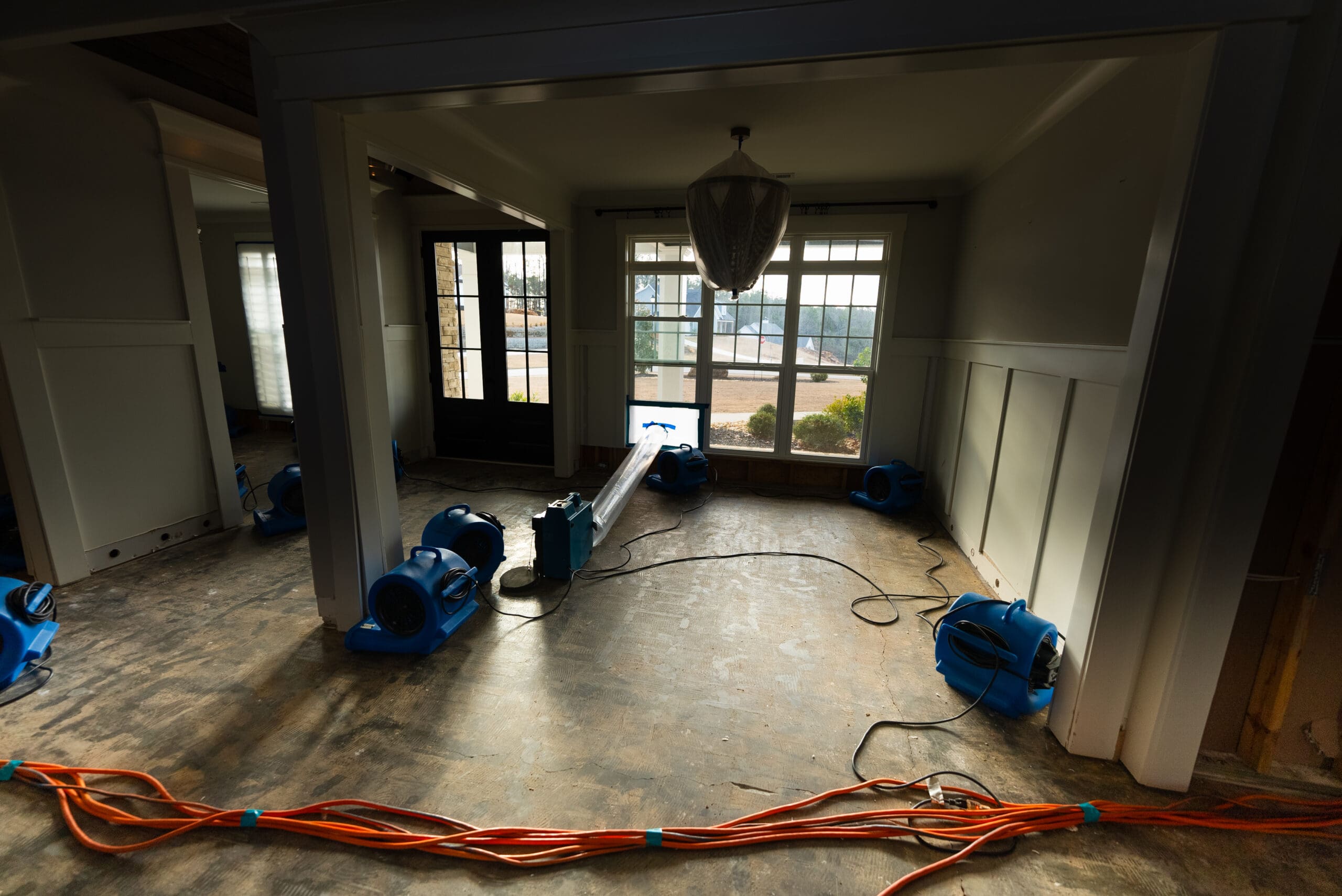
Professional water damage restoration near me services use advanced tools like dehumidifiers, air movers, and thermal imaging to detect and eliminate moisture completely. They also handle sanitization, odor removal, and full structural repairs.
Companies that specialize in water mitigation and water remediation also help with insurance claims, documenting damage for faster processing. Choosing certified professionals ensures that your property is restored safely and efficiently.
Safeguarding Your Property from Future Water Damage
While it’s impossible to prevent every incident, proactive maintenance can reduce the risk of water damage significantly. Here are a few key preventive measures:
- Inspect plumbing systems, appliances, and roofs regularly
- Clean gutters and downspouts to allow smooth drainage
- Install a sump pump and backup battery system in basements
- Seal windows, doors, and foundation cracks
- Ensure landscaping slopes away from your building
- Schedule annual inspections from a water mitigation company
Taking these steps can save thousands in potential repairs and keep your home or business protected year-round.
Restoring Comfort and Safety with NSH Home Services
Water damage can disrupt your life in unexpected ways ruining property, damaging valuables, and creating unsafe conditions. Whether it’s a burst pipe, flooded basement, or storm damage, immediate action makes all the difference.
At NSH Home Services, professional technicians specialize in water damage restoration in NJ, offering quick, reliable, and comprehensive solutions. Their team is available 24/7 for emergency water damage restoration, ensuring your property is restored to its original condition as quickly as possible.
With expertise in water removal services, water remediation, and mold prevention, NSH Home Services helps homeowners and businesses across New Jersey recover from disasters and restore peace of mind. When water damage strikes, trust NSH Home Services to bring your space and your comfort back to life.