

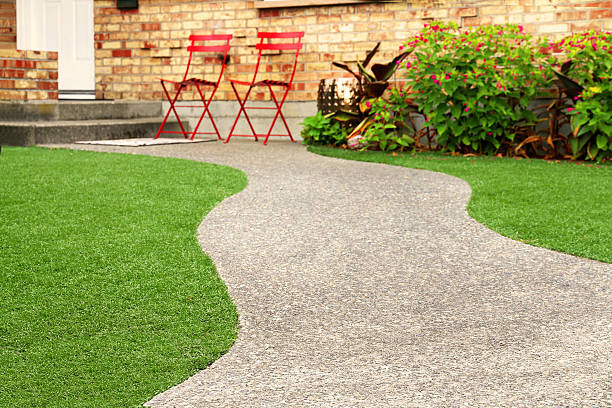
You’ve probably noticed them around Norwich. Those gleaming driveways with perfectly smooth surfaces and decorative coloured stones catching the light. They look fantastic. Your neighbour’s got one, or maybe someone at work won’t stop raving about theirs. It’s tempting to think, “I want that too.”
But here’s the thing. A resin driveway is a commitment. It’s not just about money—though that’s significant. It’s about understanding what you’re actually getting yourself into. The wrong decision can leave you frustrated and significantly poorer. The right decision can genuinely transform your home’s appearance and add real value to your property.
A resin driveway costs between £25 and £50 per square metre. For a typical Norwich home with a 100 square metre driveway, you’re looking at £2,500 to £5,000. It’s more than basic tarmac, sure. But it’s comparable to quality block paving, and it looks considerably more modern. The point is: you’re making a genuine investment that deserves proper consideration.
So let’s talk honestly about what you need to know before you pick up the phone to ring an installer.
1. Your Current Driveway Condition Matters Significantly
Here’s something installers don’t always emphasise clearly enough: resin is only as good as what’s underneath it. Think of it like building on sand. You can have the most beautiful surface in the world, but if the foundation’s dodgy, everything eventually falls apart.
Resin bonds to existing surfaces. But it only bonds if those surfaces are suitable. Your current driveway needs to be stable, well-drained, and free from significant cracks. If you’ve got big cracks running through old concrete, or your tarmac’s broken up badly, that’s going to be a problem.
Here’s where many people get caught out. They think the new resin will fix everything. It won’t. If your existing surface is severely damaged, you’ll need expensive remedial work first. We’re talking hundreds or potentially thousands of pounds before anyone even applies the resin. A professional surveyor should assess your driveway before you commit to anything. It typically costs £100 to £200, but it could save you thousands in problems down the line.
What is the current state of your driveway really like? Not what you think it should be, but what you actually see when you stand on it and look down?
2. Norwich’s Wet Climate Demands Proper Drainage Design
Let’s be honest. Norwich gets wet. Really wet. The city receives approximately 650 millimetres of rainfall annually—that’s above the English average. If you’ve lived here for any length of time, you’ll recognise the pattern. Autumn and winter are pretty much one long damp season. Spring brings unexpected downpours. Even summer isn’t immune to sudden deluges.
This matters enormously for your driveway. A poorly designed resin surface will trap water like a puddle. You’ll end up with standing water. It looks terrible, and over time, it damages the resin itself. Water gets underneath. The surface can lift. Algae spreads. It becomes a proper mess.
Your installer absolutely must get the grading right. The surface needs to slope at least 1 in 50, which is just a 2% gradient. That sounds modest, but it’s essential. A flat driveway in Norfolk is frankly a recipe for disaster. You need water actively moving away from your home, not lingering on your driveway like it’s a shallow pool.
Think about these practical considerations when discussing the design with your installer:
- Perimeter channels to actively direct water away from your property
- Permeable resin options that let water drain straight through the surface
- Proper edge restraints to stop the edges from spreading or lifting
- Strategic positioning of gullies and downpipes to manage flow
Do puddles currently form on your driveway after rain? If yes, that’s a red flag you need to address before resin goes anywhere near it.
3. The Quality of Resin Used Isn’t Standard
This is where things get a bit murky, and frankly, where you can get ripped off if you’re not careful. Not all resin driveways are created equally. You might think “resin is resin,” but that’s like saying all cars are the same. They’re absolutely not.
The resin mixture itself matters enormously. There are two main types: epoxy resin and polyurethane resin. In simple terms, epoxy tends to last longer—15 to 20 years typically—but polyurethane offers better UV resistance and might be better in direct sunlight. Both have their place, but here’s the rub: cheaper options often use lower-grade formulations that fail prematurely. You save a few hundred quid now and regret it within five years.
When you’re talking to installers, ask them to specify exactly what resin they’re using. Ask for technical data sheets. They should explain the resin’s pot life (how long it’s workable), cure time, and expected performance. If they’re vague or give you dodgy answers, walk away. Legitimate companies are transparent about this stuff.
The decorative stones matter too. Larger aggregate stones look better and offer genuine grip for your tyres. Smaller stones create a smoother finish, but they wear faster in heavy-traffic areas. Think about where your family actually walks. Think about your car’s entry and exit points. Does your drive get constant use, or is it relatively low-traffic?
Are you getting a written specification showing the exact resin and aggregate being used? Or are they being deliberately vague?
4. Installation Timing and Weather Conditions Are Critical
Here’s something that catches people off guard. Resin cannot be installed when it’s wet outside. It’s not like painting a room where you might get away with it. Resin installation requires very specific weather conditions, and Norwich’s unpredictable climate makes this genuinely complicated.
Most installers need:
- Temperatures between 10°C and 25°C
- Humidity levels below 85%
- No rain for at least 24 to 48 hours after installation
- A completely dry substrate (the existing surface underneath)
Think about what that means practically. You’ve booked your installation for next Tuesday. But Tuesday looks rainy. Suddenly it’s postponed to the following week. Then the weather forecast shows another wet spell. Now you’re looking at a month away instead of days. It happens constantly in Norfolk.
If an installer rushes the job or works in unsuitable conditions anyway, the resin won’t cure properly. You’ll get soft spots. Discolouration appears. The surface fails prematurely. This is why choosing an experienced local installer genuinely matters. They understand Norfolk’s weather patterns. They know what’s realistic. They’ve done this work in all seasons and know what works.
During autumn and winter, the cure time extends significantly. A job that takes five working days in summer might require two weeks in January. Your driveway will be completely unusable during this period. You can’t park on it. You can’t walk on it. You need to plan around this properly.
Can you realistically afford to lose access to your driveway for an extended period? Do you have somewhere else to park? Can you handle the inconvenience?
5. You cannot Use Your Driveway Immediately After Installation
This one surprises people. They assume the moment the installers pack up and leave, the job’s done. You can park your car, head to the shops, and get on with life. That’s not how it works, and getting this wrong can be genuinely frustrating.
Full cure time is typically 7 to 10 days. Sometimes longer, depending on the weather conditions and the type of resin used. During those days, your driveway is still vulnerable. It might look solid, but it’s not. Light footsteps cause indentations. Tyre marks appear easily. Rain can disrupt the cure. Dust and debris stick to it like it’s tacky.
Let’s be practical about what this means for you. You need alternative parking arrangements. For Norwich residents, this might mean using a nearby car park, asking a neighbour if you can use theirs, or requesting temporary parking permits from the council. Some people arrange for family or friends to help with parking. The point is: you need a plan. Expecting an unexpected guest or a delivery during the cure period can cause serious frustration and potential damage claims.
Some installers offer protective covers during the curing period. They’re not cheap—expect to pay an additional £50 to £200—but they provide genuine peace of mind. Your driveway’s protected from footsteps, debris, and accidental damage. For many people, that’s money well spent.
Have you actually thought through where you’re going to park for the best part of two weeks? Do you have a contingency if the cure time extends due to weather?
6. The Aesthetic Appeal Has Limitations in Certain Climates
When your resin driveway’s freshly installed, it’s genuinely gorgeous. That smooth, glossy finish. The decorative stones catch the light perfectly. It looks like something from a home improvement magazine. Your friends come round and are genuinely impressed. Your Instagram photos get loads of likes. It’s brilliant.
But here’s the reality. Norwich’s damp climate affects that gorgeous appearance over time. UV exposure fades certain resin formulations—particularly cheaper ones. Algae and moss can develop on the surface, especially in shaded areas that stay moist. Over time, foot traffic and vehicle wear patterns become visible. Within two to three years on a heavily used driveway, you’ll start noticing discolouration. The pristine look starts fading.
This doesn’t mean your driveway will look terrible. It means accepting that long-term reduction in that showroom perfection. Maintenance becomes essential if you want to preserve the appearance you’re paying for.
You’ll need regular cleaning with a pressure washer—though you have to use it at low pressure to avoid damaging the surface. Algae treatments might become necessary, particularly if you’ve got shaded areas. Some homeowners apply sealers every two to three years to refresh the appearance and improve protection. These maintenance costs accumulate. You’re looking at £100 to £300 annually for proper upkeep, sometimes more if you go with professional treatments.
Think about this honestly. Are you someone who enjoys maintaining things, or do you prefer to install something and forget about it? Because if you’re the latter, a resin driveway isn’t ideal for you.
7. Cost Isn’t Just the Installation Price
The upfront installation cost is substantial, but it’s not the only expense. Hidden costs often surprise homeowners.
Initial installation for a typical Norwich driveway (50 to 100 square metres) ranges from £1,250 to £5,000. However, you may also face:
- Preparatory work for damaged substrates (£500 to £2,000)
- Specialist drainage installation (£300 to £1,500)
- Protective coatings or sealers (£200 to £800)
- Regular maintenance cleaning (£100 to £300 annually)
- Periodic resealing (£500 to £1,500 every two to three years)
Over a 15-year lifespan, total ownership costs can easily double the initial installation price. A £2,500 installation might cost £5,000 or more when maintenance is factored in.
Are you budgeting for long-term maintenance costs, or just the initial installation?
8. Proper Installer Selection Determines Everything
This cannot be overstated. The installer’s quality directly determines your driveway’s success or failure.
Look for installers with:
- At least five years of resin driveway experience, such as Norwich Resin Driveways (https://resindrivewaysnorwich.co.uk)
- Accreditation from industry bodies (such as NDRG – National Driveway and Roads Group)
- References from local Norwich customers with completed work, you can inspect
- Written guarantees of at least 10 years
- Transparent pricing with detailed written quotes
Cheap installers typically cut corners. They might skip substrate preparation, use lower-grade materials, or work in unsuitable weather conditions. Saving £500 on installation often costs £5,000 in repairs within five years.
Meet potential installers face-to-face. Ask detailed questions about their process. Request to see their previous work. Legitimate companies proudly display their installations.
How many local references can your installer provide from completed Norwich driveways?
9. Your Warranty Needs Close Examination
A warranty is only valuable if it’s honoured. Read the fine print carefully. Some warranties exclude common issues like algae growth, discolouration, or small cracks.
Quality warranties typically cover:
- Material defects for 10 to 15 years
- Seam failures (where sections join)
- Lifting or separation from the substrate
- Premature wear from manufacturing defects
They often exclude:
- Normal wear and tear
- Damage from neglect or poor maintenance
- UV fading (certain resins)
- Damage from vehicle damage or heavy loads
- Issues caused by improper installation after the fact
Check whether the warranty is transferable if you sell your home. Some warranties only apply to the original homeowner. This affects your property’s future resale value.
Does the warranty coverage match your expectations, and is it transferable?
10. Resale Value Benefits Are Real But Not Guaranteed
Resin driveways do improve kerb appeal and can positively influence property valuations. Estate agents in Norwich report that well-maintained resin driveways appeal to buyers, particularly younger homeowners appreciating the contemporary aesthetic.
However, a pristine resin driveway might add only 2 to 5% to your property’s value. A 2% increase on a £300,000 Norwich property equals £6,000. If your driveway installation cost £3,000, that’s a reasonable return. If it costs £5,000, the return is marginal.
The resale value benefit depends on your driveway’s condition. A worn, discoloured, algae-covered surface repels buyers. Maintenance becomes an investment in your home’s marketability.
Additionally, some buyers prefer traditional materials like block paving. Personal preferences vary. Never install a resin driveway purely for financial return. Install it because you want one and can afford to maintain it.
Will the improved aesthetics and functionality justify the investment for you personally, regardless of resale value?
Making Your Decision
Installing a resin driveway is a significant decision. It requires careful consideration of climate, costs, maintenance, and installer quality. Norwich’s wet climate presents specific challenges that require proper design and installation.
Obtain multiple quotes. Inspect completed work. Ask challenging questions. Understand the warranty. Maintenance plan. Only proceed when you’re confident in both your decision and your chosen installer. A well-installed resin driveway, properly maintained, provides years of an attractive, functional surface. A poorly installed or neglected one becomes a costly liability. The difference between these outcomes depends entirely on the decisions you make now.