
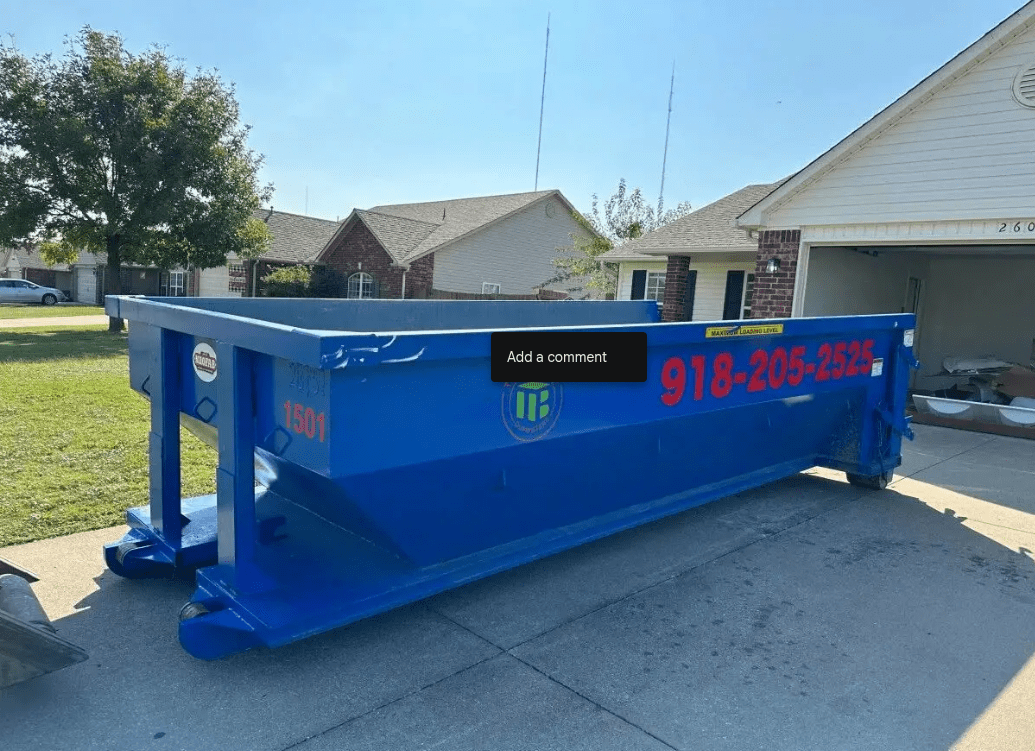
Dumpster rentals may not be the most glamorous topic, but when you’re tackling a renovation, clearing out a home, or managing a construction project, they quickly become one of the most essential tools you can have. Whether you’re a homeowner trying to understand size options or a contractor needing reliable turnaround, this Q&A-style guide breaks down the most common questions people have about renting roll-off dumpsters in Tulsa.
For readers looking for a dependable and straightforward resource, Roll Off Dumpster Company provides more information about available containers and service options.
What Exactly Is a Roll-Off Dumpster?
A roll-off dumpster is a large, open-top container designed for debris, demolition materials, home cleanouts, yard waste, and general project cleanup. Unlike traditional trash bins, roll-off dumpsters are delivered on a truck and “rolled off” into place, making them convenient for short-term or long-term use.
They are commonly used for:
- Residential remodels
- Roofing projects
- Whole-home cleanouts
- Yard debris and storm cleanup
- Construction and commercial projects
The open-top design and generous capacity make them ideal for handling a wide range of materials. Whether you’re clearing out a garage or handling a full renovation, roll-offs simplify the debris removal process significantly.
How Do I Choose the Right Dumpster Size?
Choosing the right size depends on your project type and the volume of debris you expect to generate. While size needs vary, there are some general guidelines based on industry standards:
- Small Cleanouts: Often suitable for 10- to 15-yard dumpsters
- Medium Renovations: Kitchens, bathrooms, or flooring projects typically use 20-yard containers
- Large Projects: Whole-home remodels, roofing tear-offs, or bulky debris often require 25- or 30-yard dumpsters
It’s usually better to size up if you’re in doubt. Overfilling a dumpster can result in additional charges or require a second container, which can increase costs and delay your project.
What Can I Put Into a Dumpster?
Roll-off dumpsters can handle a wide range of material types, including:
- Wood, drywall, and general construction debris
- Household junk and non-hazardous items
- Furniture and appliances lacking refrigerants
- Yard waste such as branches, leaves, and smaller logs
- Roofing materials like shingles and underlayment
However, there are restrictions for safety and environmental reasons. Generally prohibited items include hazardous chemicals, oils, paints, batteries, propane tanks, and large amounts of dirt or concrete unless otherwise approved. Always check guidelines before loading to avoid issues later.
To explore price information and what sizes may best fit your project, visit Two Brothers Dumpsters.
How Long Can I Keep a Dumpster?
Rental periods vary depending on the service provider and the customer’s needs. Most companies offer options ranging from short 1-day rentals to full 7-day or multi-week rentals. Contractors who require repeated swap-outs can often request ongoing service as needed.
Typical factors that affect rental duration include:
- Project size
- Waste volume
- Scheduling needs
- Local disposal regulations
- Weather or construction delays
If you know your timeline might extend, it’s always best to communicate that early so you receive the most accurate scheduling and pricing.
Is It Difficult to Schedule Delivery and Pickup?
Not at all—this is one of the areas where modern dumpster rental services excel. Many companies, including those serving Tulsa, offer:
- Online ordering
- Real-time scheduling availability
- Predictable delivery windows
- Straightforward pickup options
For businesses, predictable scheduling helps reduce downtime, while homeowners benefit from simplicity and clarity. Having a roll-off placed in your driveway or jobsite usually takes only minutes of effort on your end.
How Does Pricing Work?
Pricing is typically based on three key factors:
1. Dumpster Size
Larger containers cost more but hold significantly more debris.
2. Included Weight Limit
Dumpsters often come with a set tonnage allowance. Exceeding that allowance results in additional weight fees.
3. Rental Duration
Standard rental periods are included in base pricing, with extensions available for a daily or weekly fee.
Some services also incorporate fuel fees, disposal charges based on landfill requirements, or swap-out fees for high-volume projects. Transparent pricing helps you understand exactly what you’re paying for, so you aren’t surprised at the end of your rental.
Where Can a Dumpster Be Placed?
Roll-off dumpsters are usually placed on:
- Driveways
- Jobsite gravel areas
- Commercial lots
- Designated construction staging areas
Placement requirements vary depending on property layout and local regulations. In residential neighborhoods, driveways are usually the safest option as they avoid blocking streets and comply with most municipal rules.
If you’re concerned about driveway protection, many renters place plywood or boards under the wheels to distribute weight and minimize contact.
Why Choose a Roll-Off Dumpster for Your Project?
Roll-off containers offer a streamlined way to remove debris quickly, safely, and efficiently. Customers choose them because they provide:
- A central place to collect waste
- Faster cleanup times
- Improved safety on projects
- Better organization during renovation
- Convenience without multiple landfill trips
Whether you’re decluttering or undergoing major construction, having a dumpster onsite simplifies the entire process and keeps the property cleaner and more manageable.
Conclusion
Dumpster rentals in Tulsa play a vital role in keeping properties, jobsites, and neighborhoods clean and safe. With flexible sizing, simple scheduling, and clear rental terms, roll-off dumpsters continue to be one of the most reliable tools for managing waste during renovation, construction, and cleanout projects