
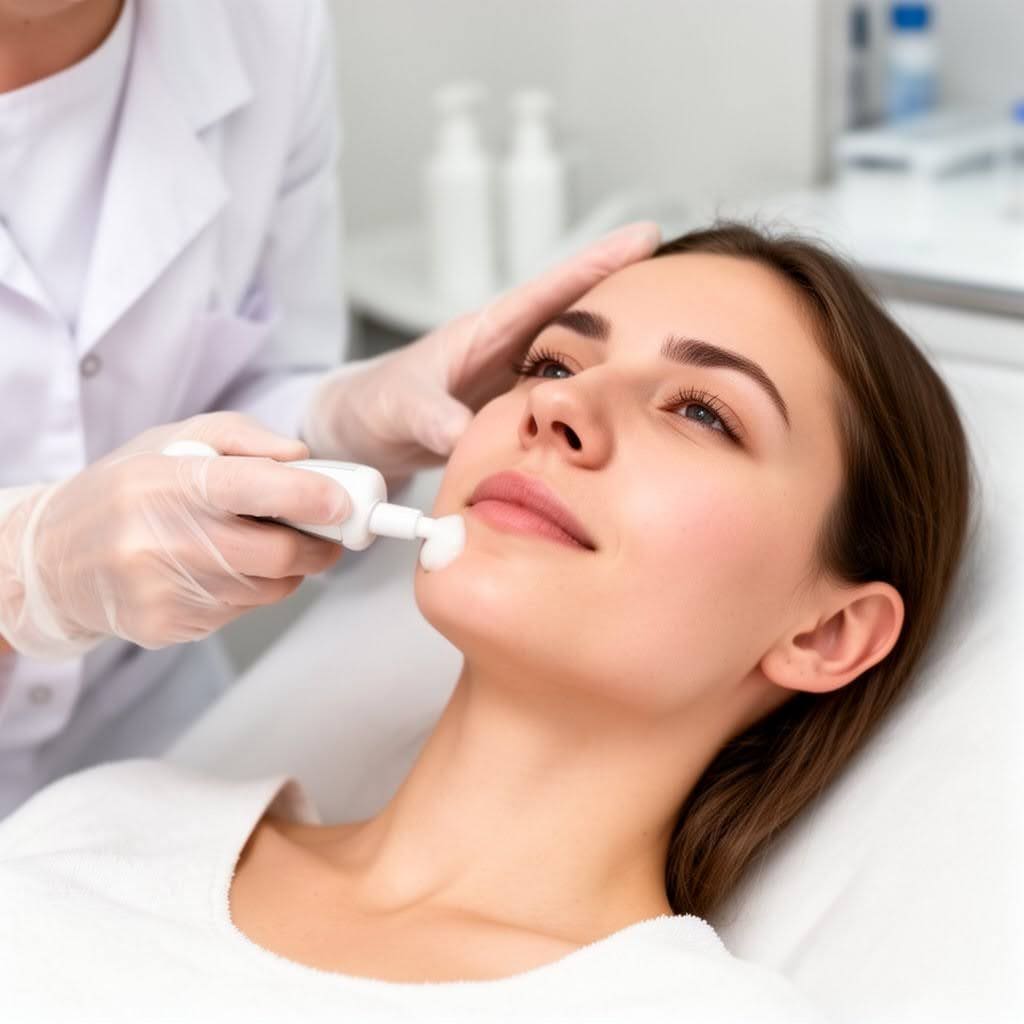
Across Ontario the early 2020s marked a clear shift in how younger adults think about appearance care. What used to be treated as an occasional luxury is increasingly approached as routine self care tied to confidence wellness and long term maintenance. Millennials and Gen Z are at the center of this change. They are more likely to schedule services consistently compared to providers online and treat aesthetic appointments as part of an ongoing lifestyle plan rather than a one time splurge. This shift matters locally because it changes the baseline level of demand for recurring services like professional skincare and facials in London Ontario.
A useful way to understand this change is to look at broader consumer trend reporting. McKinsey’s wellness reporting describes how younger consumers are spending more in categories tied to wellness and appearance with a rising interest in cosmetic procedures that they consider preventative and that they begin earlier than prior generations. At the same time McKinsey’s beauty market analysis notes the broader recovery and growth of the beauty market after the height of the pandemic with continued expansion expected over the coming years. McKinsey & Company Together these trends support what clinics are seeing on the ground: younger adults are not waiting for a major event or a visible problem to justify care. They are planning for maintenance.
Prevention has become the primary motivation
Younger professionals often treat self care as a form of prevention. That mindset shows up in fitness nutrition, sleep habits and increasingly skincare. They are more likely to ask questions about skin barrier hydration sun damage and long term texture concerns. Instead of reacting to a wrinkle or pigmentation problem years later they invest in consistent routines now. Facials fit naturally into that approach because they can be scheduled regularly and tailored to changing skin needs across seasons, work stress and lifestyle changes.
This is also a generation that tends to value incremental improvement over dramatic transformation. They want to look like themselves, just more rested, healthier and more even toned. Professional facials support that goal because the results are cumulative. A series of treatments can improve clarity, hydration and texture without the perception of an abrupt change.
Convenience and local access drive repeat behavior
Young professionals are busy. Their buying decisions are influenced by convenience in a way that directly benefits local providers. Aesthetic care is not like a one time product purchase. It is a recurring appointment that competes with work deadlines, gym routines and personal commitments. When access is easy patients are more likely to stay consistent. That is one reason searches for facials in London Ontario align so well with modern consumer intent. People are not only searching for a service. They are searching for a routine that fits their schedule.
Even small operational details influence conversion in this demographic. Online booking appointment reminders, transparent service descriptions and clear prep or aftercare guidance all matter. Younger patients often decide quickly once they feel the experience will be smooth, predictable and time efficient.
Wellness language has reshaped aesthetics
Another reason demand has grown is that medical aesthetics is increasingly framed in wellness terms rather than vanity. Many younger adults talk about skincare the same way they talk about fitness. It is maintenance. It supports confidence. It helps them feel organized and in control especially during stressful seasons. McKinsey’s wellness reporting describes increased spending on categories that reflect this broader wellness orientation and highlights younger consumers’ interest in preventative cosmetic behaviors.
This framing also reduces hesitation. People who might avoid “cosmetic” language feel comfortable booking a facial because it is seen as skin health and self care rather than indulgence. Clinics that communicate in that tone tend to resonate with the millennial and Gen Z audience.
A higher standard for trust and education
Younger consumers also expect education. They research ingredients, compare treatment types and want to understand what is happening to their skin. They are more likely to ask about how often to schedule a facial, what results to expect and how to maintain improvements between visits. This creates an opportunity for providers to build loyalty through explanation and realistic planning.
It also means the patient relationship is less transactional. When a provider becomes a trusted guide for skin maintenance that relationship often lasts. The result is stable demand built on repeat visits and referrals.
Conclusion
Younger professionals are helping move aesthetic care from occasional luxury to recurring self care. Trend reporting from McKinsey shows younger consumers increasing spending in wellness related categories and engaging earlier in preventative cosmetic behaviors while the broader beauty market continues to expand beyond the pandemic recovery period. In a local context this translates into consistent interest in services like facials in London Ontario where convenience education and wellness positioning align with how millennials and Gen Z make decisions. The rise is not just about aesthetics. It is about routine maintenance and a new consumer expectation that professional care can be part of everyday wellness.
