

You likely know that Omega-3 fatty acids are essential for your health. However, most people realize too late that “Omega-3” is just an umbrella term. If you are taking a generic supplement, you might be missing the specific compounds your body actually needs to function.
Without the right balance of EPA and DHA, your efforts to reduce inflammation or boost brain power may fall short. Relying on the wrong sources can leave you with expensive oils that offer little biological benefit.
The solution lies in understanding the distinct roles of Eicosapentaenoic acid (EPA) and Docosahexaenoic acid (DHA). This guide breaks down the science of these long-chain fatty acids so you can optimize your health with precision.
try our Best Fish Oil and Omega 3 for Heart & Brain Support
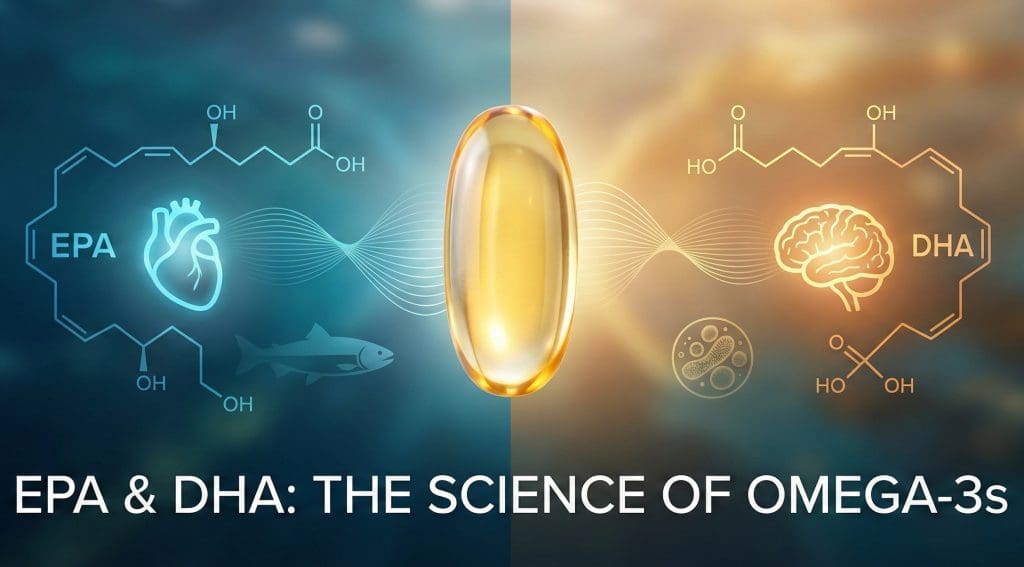
Beyond “Omega-3”: Decoding the Roles of EPA and DHA
Omega-3s are not created equal. While plant-based oils contain ALA, your body craves the “active” forms: EPA and DHA. These long-chain fatty acids serve as the primary building blocks for your cells.
| Feature | EPA (The Warrior) | DHA (The Architect) |
| Primary Focus | Systemic Inflammation | Structural Integrity |
| Main Location | Blood plasma & Cell membranes | Brain, Retina, & Heart |
| Best For | Heart health & Joint comfort | Mental clarity & Vision |
EPA (Eicosapentaenoic Acid): The Cardiovascular & Inflammatory Warrior
EPA is often called the “functional” Omega-3. Its primary job is to produce signaling molecules called eicosanoids. These molecules help regulate your anti-inflammatory response across the entire body.
How EPA Manages Systemic Inflammation
Chronic inflammation is the root of many modern health issues. EPA works by competing with inflammatory fats at the cellular level. By stabilizing cellular membranes, EPA helps keep your body’s defense systems in check.
Heart Health: Triglycerides and Arterial Function
Medical research, including studies supported by the Heart Association (AHA), highlights EPA’s role in cardiovascular maintenance. It is particularly effective at managing triglycerides and supporting healthy blood flow.
DHA (Docosahexaenoic Acid): The Brain and Eye Architect
If EPA is the protector, DHA is the builder. It is a massive structural component of your central nervous system. Without sufficient DHA, your cells literally lose their shape and efficiency.
The Structural Foundation of the Human Brain
DHA makes up over 90% of the Omega-3s in your brain. It ensures neural membrane fluidity, which is essential for neurons to communicate. This is why DHA is the gold standard for maintaining cognitive function as you age.
Visual Acuity: Why Your Eyes Crave DHA
Your eyes contain the highest concentration of DHA in the body. It supports retinal health by protecting the cells that convert light into images. High levels of DHA are vital for maintaining sharp vision and preventing strain.
The Conversion Trap: Why Plant-Based ALA Isn’t Enough
Many people believe they get enough Omega-3 from flaxseed or chia. These contain Alpha-linolenic acid (ALA), which the body must convert into EPA and DHA.
Unfortunately, this conversion efficiency is incredibly low. Most humans convert less than 5% of ALA into EPA, and often less than 1% into DHA. To get the benefits your body needs, direct sourcing from microalgae or high-quality supplements like the Best Fish Oil and Omega 3 for Heart & Brain Support is essential for bypasssing these metabolic hurdles.
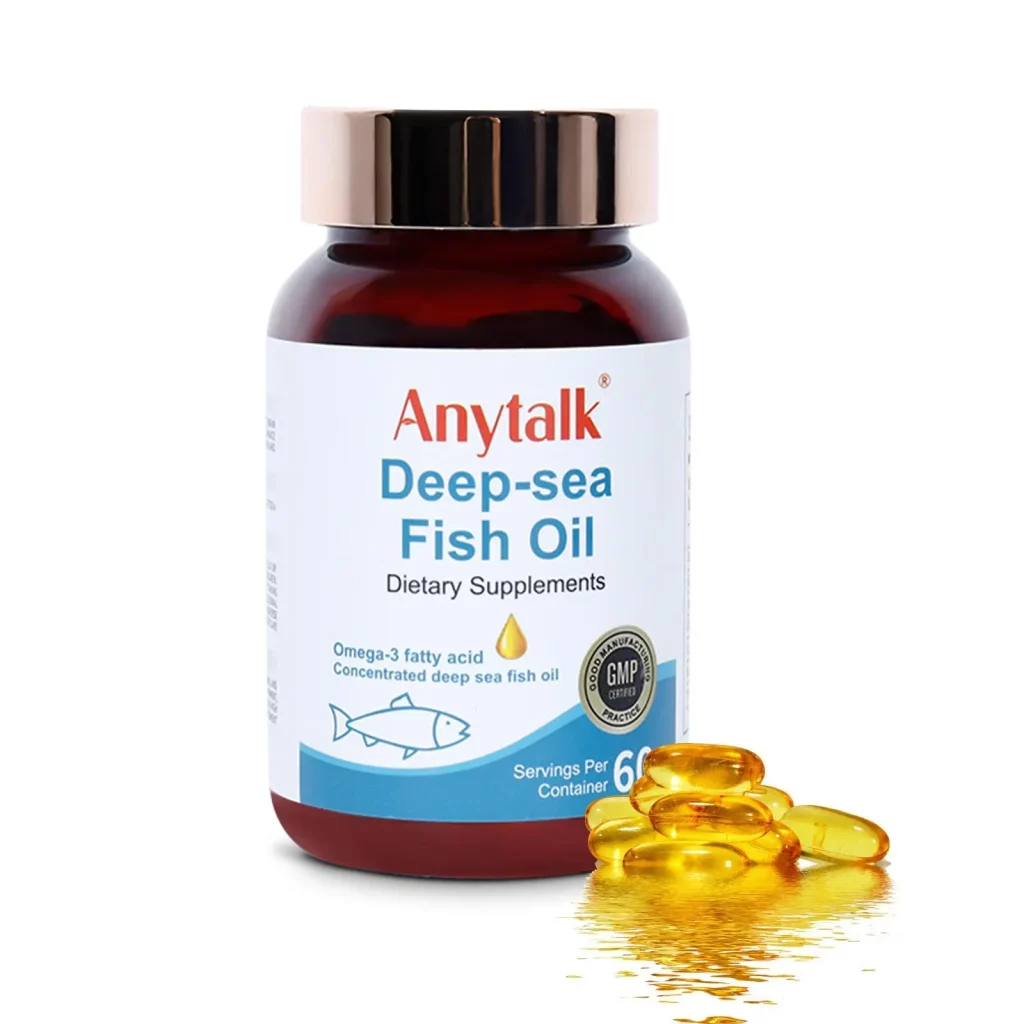
Choosing the Right Ratio: EPA vs. DHA for Your Goals
Your ideal ratio depends on your current health priorities. Most people benefit from a balanced 2:1 ratio of EPA to DHA for general wellness.
- For Mood and Joints: Look for a supplement higher in EPA.
- For Pregnancy and Focus: Prioritize formulas with higher DHA levels.
- The Golden Rule: Always check the label for the Triglyceride form, which offers superior absorption compared to cheaper synthetic esters.
Sourcing Purity: From Deep Sea to Supplement
Not all oils are safe. Because cold-water fish can accumulate toxins, purity is paramount. Ensure your supplements are mercury-free and have undergone molecular distillation. At Zenvitaco, we prioritize these high standards to ensure you receive potent, clean nutrients without the “fishy” aftertaste. For those looking to optimize their daily intake, finding the Best Fish Oil and Omega 3 for Heart & Brain Support ensures your foundation for wellness is secure.

Frequently Asked Questions
What is the main difference between EPA and DHA?
EPA supports heart health and reduces inflammation, while DHA provides the structural building blocks for your brain and eyes. Both are essential, but they serve very different biological functions.
Which is better for the brain: EPA or DHA?
DHA is the superior choice for brain health. It comprises the majority of the fatty acids in your brain tissue and is critical for memory, focus, and long-term neuroprotection.
Can the body make EPA and DHA from plant oils?
Technically yes, but the process is highly inefficient. The body converts very little plant-based ALA into the usable EPA and DHA forms your organs require for optimal function.
What is a good daily dose of EPA and DHA?
Most adults should aim for 250–500mg of combined EPA and DHA daily. Those targeting specific health issues like high triglycerides may require higher doses under medical supervision.
Should I take EPA and DHA together or separately?
You should take them together. These fatty acids occur together in nature and work synergistically to maintain the health of your cell membranes and cardiovascular system.
| written by – Khalid |
| Supplement Specialist at Zenvitaco |
