
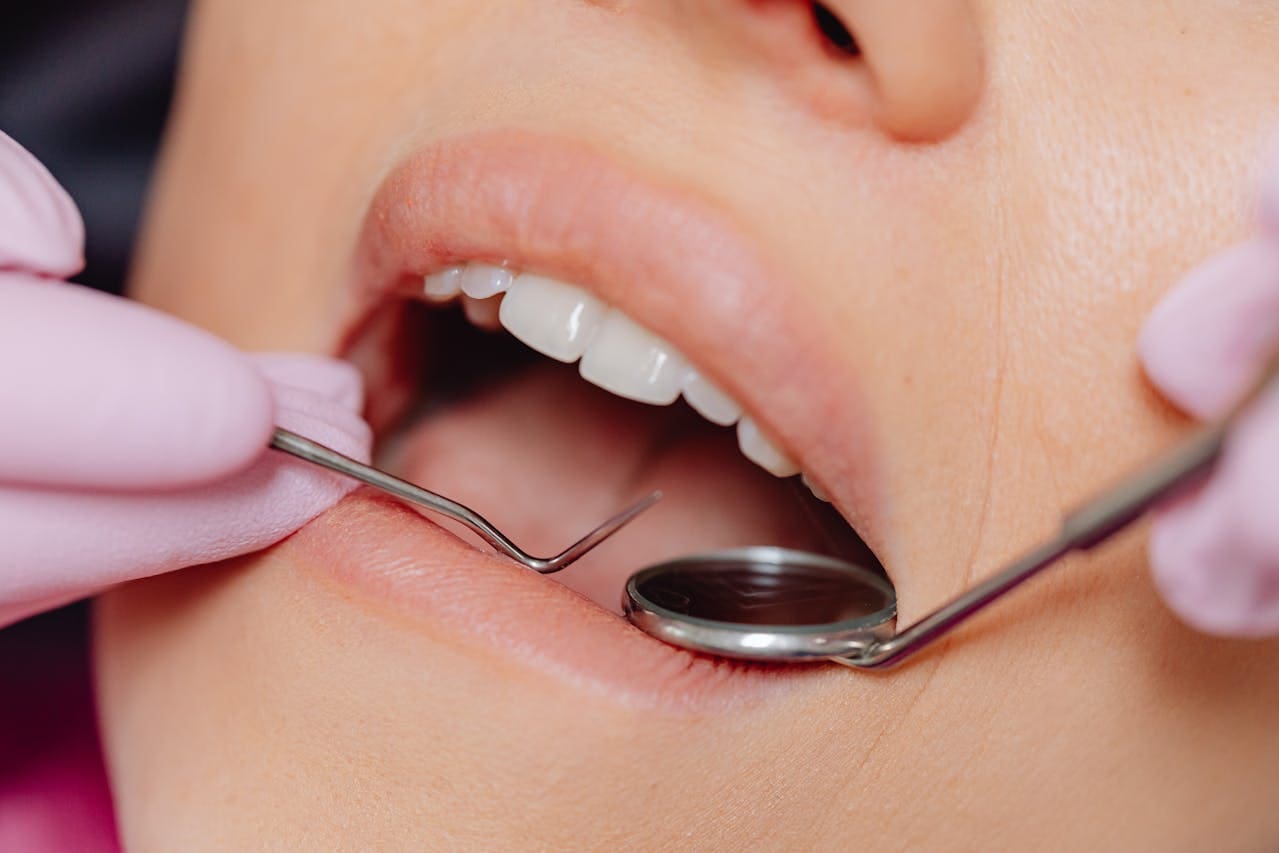
Dental emergencies can strike at any time, often when you least expect it. Whether it’s a sudden toothache, a knocked-out tooth, or an injury to your gums, the need for urgent care is clear. In these situations, it’s essential not to delay treatment. The longer you wait, the greater the risk of further damage, more intense pain, or complications that could require more extensive treatment in the future.
In this article, we’ll explore why seeking immediate Sparta emergency dental care is crucial and how acting quickly can prevent more serious issues from developing.
Common Dental Emergencies That Require Immediate Attention
Dental emergencies can take many forms, and not all of them are equally urgent. However, there are several situations where prompt dental care is essential to prevent long-term damage. Here are a few common dental emergencies that require immediate attention:
1. Severe Tooth Pain or Sensitivity
Severe, persistent tooth pain can be a sign of a serious issue, such as a tooth abscess or deep tooth decay. If left untreated, an abscess can lead to infection spreading throughout the tooth and into the surrounding areas, causing more severe complications. In some cases, the infection can even reach your bloodstream, potentially leading to a life-threatening condition called sepsis.
If you experience significant pain or sensitivity, particularly to hot or cold foods and drinks, it’s important to seek emergency dental care as soon as possible. Early treatment can help prevent the infection from spreading and alleviate your pain.
2. Knocked-Out or Loose Teeth
If you have a tooth knocked out, it’s essential to seek emergency care immediately. A knocked-out tooth may still be salvageable if treated quickly. To maximize the chances of re-implantation, try to keep the tooth moist (place it in a cup of milk or saline solution), and contact your dentist immediately.
A loose tooth, particularly in adults, could be a sign of underlying issues, such as gum disease or trauma to the tooth. Immediate care can help prevent the tooth from falling out and may save it from further damage.
3. Cracked or Broken Teeth
A cracked or broken tooth is more than just a cosmetic concern. If the crack is deep enough, it could expose the sensitive pulp inside the tooth, leading to pain and increasing the risk of infection. In some cases, a broken tooth could also cause injury to your gums or the inside of your mouth.
Seeking emergency dental care immediately can help minimize pain, prevent infection, and save the tooth if possible. The sooner the crack or break is addressed, the more likely it is that your dentist can restore the tooth and preserve its function.
4. Gum or Soft Tissue Injury
Injuries to the gums or the soft tissues of the mouth can also require urgent attention. Cuts, lacerations, or punctures can lead to significant bleeding, discomfort, and infection. While it may not always seem as urgent as a broken tooth, untreated soft tissue injuries can cause more serious problems if not cared for immediately.
Your dentist can stop the bleeding, clean the wound, and help prevent infection, ensuring that the healing process is as smooth and quick as possible.
5. Lost Dental Restorations
If you lose a dental filling, crown, or another restoration, it’s important to see a dentist right away. Not only can the restoration no longer protect the tooth, but the exposed area can be highly vulnerable to decay or infection. A dentist can often replace or repair the restoration quickly, restoring the tooth’s protection and preventing further damage.
The Risks of Delaying Emergency Dental Care
While some dental issues may not seem to be urgent, delaying treatment can lead to more significant and complex problems. Here’s why immediate care is essential:
1. Increased Risk of Infection
When dental problems are left untreated, they can quickly lead to infection. This is especially true for conditions like abscesses, where bacteria can spread through the tooth and gums, potentially affecting nearby tissue and even other parts of the body. Delaying treatment can lead to the need for more invasive procedures, such as root canals or extractions, and increase the risk of sepsis.
2. More Extensive and Costly Treatment
Waiting to seek care can result in the need for more complex and expensive treatments down the line. For example, if a cavity is left untreated, it can progress to the point where a filling will no longer be enough, requiring a root canal or even an extraction. The earlier you address dental issues, the simpler and more affordable the treatment is likely to be.
3. Long-Term Damage to Your Teeth and Gums
The longer you wait to get emergency care, the more likely the issue is to worsen. A cracked tooth, for instance, can become more fractured over time, leading to the need for extraction. Similarly, gum infections can spread, leading to gum disease, which could result in tooth loss and other long-term complications.
4. More Pain and Discomfort
Delaying care means you’re also prolonging your pain. Whether it’s a toothache, gum injury, or broken tooth, the discomfort will likely intensify over time. Seeking immediate dental care can help you manage pain more effectively and address the issue before it gets worse.
How to Find an Emergency Dentist in Sparta
If you experience a dental emergency, it’s important to act quickly and seek professional help right away. Many dental offices provide after-hours emergency services or can refer you to an emergency care provider when necessary.
Be sure to find a dental office that offers quick response times, clear communication, and compassionate care in emergency situations. Having a trusted dentist available in your time of need ensures you’ll get the care you deserve when you need it most.
What to Do in a Dental Emergency
If you find yourself in need of emergency dental care, here are a few steps you can take:
- Contact your dentist immediately: Many dental practices offer emergency care or can refer you to a trusted provider.
- Manage pain and swelling: Apply a cold compress to reduce swelling and take over-the-counter pain relievers as directed to help manage your discomfort until you can get to the dentist.
- Protect the affected area: If you’ve lost a tooth or broken a tooth, try to protect the area by keeping the tooth moist and covering sharp edges with gauze or a clean cloth.
The sooner you act, the better the chances are of saving your tooth and minimizing the damage.
Learn More About Emergency Dental Care
If you’re wondering what constitutes a dental emergency or how to handle a situation in the future, this experienced dentist offers helpful advice on common dental emergencies and the steps you can take to address them. By being prepared and informed, you can ensure that you’re ready to handle any dental crisis that comes your way.
Dental emergencies can happen when you least expect them, but knowing when to seek immediate care and acting quickly can help you avoid long-term complications and protect your oral health.
