

Walk into a woodland after rain. The ground smells of leaf mould and damp bark. You hear a wood pigeon somewhere deep in the trees. It feels untouched. Truth is it rarely stays healthy without guidance.
Trees compete. They do not share nicely. When too many grow in one patch the weaker ones stretch thin for light. You end up with tall spindly trunks that sway like matchsticks in wind. That kind of growth looks fine from a distance. Up close you see strain.
Woodland Management Lancashire steps in before that strain turns into loss. Good management does not mean clearing everything out. It means choosing which trees deserve space and which ones hold the rest back.
What goes wrong when nobody manages a woodland
Crowding starts the trouble. Roots tangle under the soil and fight for water. The canopy thickens until daylight barely touches the ground. Young saplings fail before they get a fair chance. Then disease creeps in. Fungi love damp shade. Insects target stressed timber. One sick tree can infect the next. You might not notice until whole sections decline.
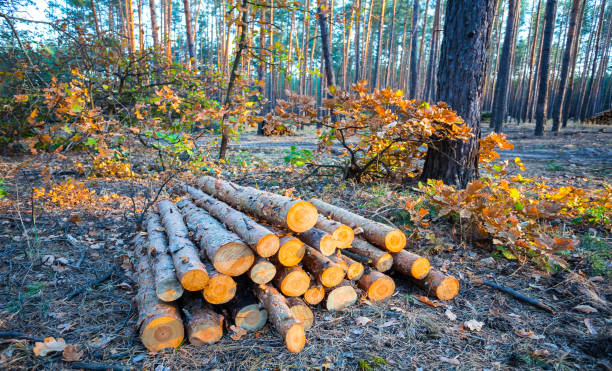
With Woodland Management Lancashire someone studies the layout first. They mark selected stems for removal. They open gaps in the canopy so light can return. That shift changes everything on the forest floor.
Why does thinning help rather than harm
Some people hate the sight of cut trunks. They think removal equals damage. In truth careful thinning strengthens what remains. Take out the poorest specimens and the sturdy ones respond. Trunks thicken. Crowns spread wider. Roots dig deeper. You trade quantity for quality.
Woodland Management Lancashire uses this principle with care. No random cutting. Each decision serves a purpose. The woodland gains structure instead of chaos.
What about wildlife
A forest supports more than trees. Beetles hide under bark. Bats roost in old cavities. Bluebells rise in spring where light reaches soil. Overcrowded woodland blocks that variety. Dense shade kills ground flora. Limited plant life reduces insect numbers. Birds then move elsewhere.
Woodland Management Lancashire keeps diversity in mind. Managers leave certain deadwood for habitat. They protect native species. They create a mix of ages within the stand. Young growth beside mature giants. That blend supports a richer web of life.
Can management really reduce storm damage
Look at a neglected woodland after a winter gale. You will find snapped stems and uprooted trunks. Tall thin trees cannot cope with strong gusts. Space allows trees to develop broad bases. Stronger form. Better anchorage. Wind passes through a managed canopy with less resistance. Woodland Management Lancashire prepares sites before rough seasons arrive. That foresight saves timber and reduces hazards.
How does soil fit into the picture
Soil holds the whole system together. Poor ground equals weak growth. Heavy machinery without planning can compact earth and choke roots. Good managers think about ground pressure and drainage. They protect root zones during operations. They allow natural leaf litter to decompose where it benefits fertility. Woodland Management Lancashire treats soil as the foundation not an afterthought.
Is woodland management only about timber value
Not at all. Yes timber can provide income. Yet health comes first. A degraded woodland loses ecological worth and visual appeal. People walk through woods for calm. Children explore them. Local wildlife depends on them. Management protects those quiet benefits. Woodland Management Lancashire balances practical needs with environmental care. It is not about stripping land bare. It is about stewardship.
When should action begin
Sooner than most think. Waiting for obvious decline makes recovery harder. Early guidance shapes stronger woodland in the long run. Young plantations need structure from the start. Older stands need monitoring and selective work. Every stage calls for attention. Woodland Management Lancashire offers plans that look years ahead not just months.
Final thoughts
A forest may seem self sufficient. In today’s landscape it rarely is. Human activity climate pressure and invasive species all interfere. Thoughtful intervention keeps woodland resilient. Not heavy handed. Not careless. Measured steady work over time. Woodland Management Lancashire supports that steady work. Healthy forests do not happen by accident. They grow through watchful hands and informed choices.
Contact Us:
Number: 01772 915011
E-Mail: Olivebranchtreesurgeon@gmail.com
Address: Preston.UK, Blackpool, UK