
Why Walking Is the Most Underrated Thing You Can Do for Yourself
I used to think walking didn’t count as real exercise. Like, if I wasn’t drenched in sweat or gasping for air, what was even the point? Turns out I had it completely backwards.
Here’s the thing about walking: it’s boring. I’m not going to pretend otherwise. There’s no adrenaline rush, no impressive before-and-after photos, nothing to brag about at dinner parties. But quietly, consistently, it does more for your body and mind than most people realize.
And the best part? You don’t need a gym membership, fancy equipment, or even athletic ability. You just need feet and somewhere to go.
Your Heart Will Thank You
My uncle had a minor heart scare a few years back. Nothing catastrophic, but enough to shake him up. His doctor’s advice? Walk. Every day. Thirty minutes minimum.
He thought it was too simple to actually work. But six months later, his blood pressure was down, his cholesterol improved, and he felt better than he had in years. No medication changes. Just walking.
This isn’t magic, it’s basic physiology. Walking gets your blood moving, strengthens your heart muscle over time, and helps clear out the gunk that builds up in your arteries. In cities like Karachi and Lahore, where heart disease rates keep climbing, this matters more than people think. A brisk walk after dinner could genuinely add years to your life.
Weight Loss Without the Drama
Can we talk about how overcomplicated weight loss has become? Keto, intermittent fasting, HIIT workouts at 5 am, supplements that cost a fortune. It’s exhausting just thinking about it.
Walking won’t give you six-pack abs in six weeks. Let’s be honest about that. But it burns calories steadily, and more importantly, it’s sustainable. You can actually keep doing it. That’s the part most crash diets and intense workout programs miss: they work until you quit, and everyone eventually quits.
A colleague of mine lost 8 kilos over about six months. No diet changes. She just started walking to work instead of taking a rickshaw. It was maybe 25 minutes each way. That’s it. Nothing dramatic, but it added up.
Whether you’re strolling through a park in Islamabad or just pacing around your neighborhood, extra steps matter. They really do.
The Mental Health Thing Nobody Talks About Enough
Okay, this one’s personal. I went through a rough patch a couple of years ago. Stressed, anxious, couldn’t sleep properly. Someone suggested I start walking every morning before work.
I rolled my eyes. How was walking going to fix anything?
But I tried it anyway because I was desperate. And slowly, not overnight, but over a few weeks, things shifted. The morning air, the movement, the time alone with my thoughts before the chaos of the day started. It became the one thing I actually looked forward to.
There’s actual science behind this. Walking releases endorphins, reduces cortisol levels, and gives your brain a break from constant stimulation. If you can walk somewhere green, like the Margalla Hills, if you’re in Islamabad, even better. Nature amplifies the effect.
I’m not saying walking cures depression or anxiety. But as part of managing mental health? It’s powerful. And free.
Easier on Your Joints Than You’d Think
My mother has bad knees. Has for years. Running is out of the question. Even cycling bothers her sometimes. But walking? That she can do.
Unlike high-impact exercises that pound your joints with every step, walking is gentle. It lubricates your joints, strengthens the muscles around them, and improves flexibility over time. For anyone dealing with arthritis or joint stiffness, especially older folks, this is huge.
Just watch where you’re stepping. The uneven pavements in Lahore and Karachi can be tricky. Stick to flatter paths when you can, or walk in parks where the ground is more predictable.
Making It Actually Stick
The hard part isn’t knowing that walking is good for you. The hard part is doing it consistently. Here’s what’s worked for people I know.
Start embarrassingly small. Forget the 10,000 steps thing for now. If you’re not walking at all currently, aim for 15 minutes. That’s it. Build from there once it becomes a habit.
Find a walking buddy. My neighbor and I started walking together in the evenings. Having someone waiting for you makes it way harder to skip. Plus, the conversation makes time fly.
Switch up your routes. The same path every day gets old fast. Explore different parks. Take new streets. I discovered a great chai stall in my area just because I wandered down a road I’d never tried before.
Track your steps if that motivates you. Some people love seeing numbers go up. There are dozens of free apps that sync with your phone. Set small milestones and celebrate hitting them.
Make the time pass faster. Podcasts, audiobooks, music, whatever you’re into. I’ve gotten through an entire book series just walking. It stops feeling like exercise when you’re absorbed in a good story.
And obviously, stay hydrated. Carry water, especially during summer. Wear comfortable shoes; your feet will punish you otherwise. These sound like small things, but they make the difference between walking feeling like a chore or something you actually enjoy.
A Few Things to Watch Out For
Walking is low-risk, but not zero-risk. Be aware of traffic if you’re near roads. Keep the volume down on your headphones so you can hear what’s happening around you. Busy intersections and distracted drivers are a bad combination.
If something hurts — and I mean actually hurts, not just tired muscles — pay attention. Persistent knee pain, hip discomfort, foot problems… these shouldn’t be ignored. Your body is telling you something.
When Walking Starts Hurting
So what if walking causes you pain instead of helping? That’s when you need professional eyes on the problem.
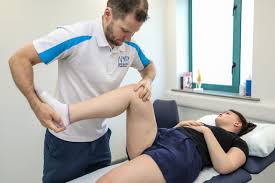
Marham makes this pretty straightforward. You can find physiotherapists and orthopedic specialists in your area, or just book an online consultation through the app. Describe what’s happening, get proper advice, and figure out if you need treatment or just better shoes.
No waiting rooms. No taking time off work. Just talk to someone qualified and get answers. The whole point of walking is to feel better, not worse, so if that’s not happening, get it checked out.
The Simple Truth
Walking isn’t glamorous. It won’t get you Instagram followers or impress anyone at the gym. But it works. For your heart, your weight, your mood, your joints, all of it.
The best exercise is the one you’ll actually do. For most people, walking fits that description better than anything else. It’s free, it’s accessible, and you can start today.
So maybe give it a shot. Tomorrow morning. Or this evening after dinner. Just put on your shoes and go. See how it feels.
Your body’s been carrying you around your whole life. Might be time to return the favor.