
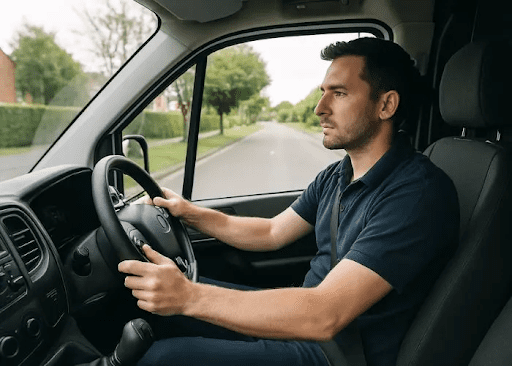
Tracking systems allow drivers and businesses to monitor mileage, driving duration, routes taken, and vehicle activity throughout the day. These insights help reveal patterns that might otherwise remain unnoticed. Over time, the information collected can highlight areas where safety, efficiency, or maintenance practices may need improvement.
Understanding How Vehicles Are Actually Used
Many drivers assume they know how their vehicle is being used simply because they are behind the wheel every day. However, long working hours and repetitive journeys can make it difficult to notice gradual changes in driving patterns. A route that once felt manageable may slowly become more congested, or driving hours may extend beyond what feels comfortable.
Usage tracking records these changes accurately. By reviewing travel times, distance covered, and stop locations, drivers can gain a clearer picture of their daily workload. This information allows drivers to adjust schedules, manage fatigue more effectively, and plan routes that reduce unnecessary mileage.
For businesses managing several drivers, tracking also helps ensure vehicles are used consistently and responsibly across the fleet.
Supporting Maintenance and Vehicle Reliability
Vehicles used for commercial work experience significantly more wear than private cars. Delivery drivers may stop and start hundreds of times in a single shift, while passenger transport drivers may spend long hours in city traffic. These conditions place pressure on components such as brakes, tyres, and suspension systems.
Usage tracking helps drivers anticipate maintenance needs by showing how heavily the vehicle is being used. High mileage or frequent short trips can signal when servicing may be required earlier than expected. Addressing maintenance proactively prevents small mechanical issues from becoming larger problems on the road.
This approach helps keep vehicles operating safely and reduces the chance of unexpected breakdowns during working hours.
Improving Driving Awareness and Safety
Tracking systems can also provide insights into driving behaviour. Some systems record data such as acceleration patterns, braking intensity, and driving speed. These indicators help drivers recognise habits that may increase risk during busy traffic conditions.
For example, frequent harsh braking may indicate that the driver is following vehicles too closely or reacting late to traffic changes. Identifying this pattern allows the driver to adjust their approach and maintain safer following distances.
Over time, this feedback encourages smoother driving, which benefits both safety and vehicle longevity.
Insurance Considerations for Commercial Drivers
Drivers who carry passengers or goods as part of a paid service operate under different conditions compared with private motorists. Vehicles used for deliveries, ride services, or transport work spend extended hours on the road and interact with busy traffic environments regularly.
Hire & reward insurance exists to provide cover for vehicles used to carry goods or passengers in exchange for payment. This type of policy recognises the commercial nature of the work and the increased road exposure that comes with professional driving. Incidents that occur during paid delivery or passenger transport work may fall under hire & reward insurance, which is designed to address the risks associated with these commercial activities.
Building a Clearer Picture of Daily Operations
Vehicle usage tracking ultimately helps drivers understand the reality of their working patterns. Rather than relying on memory or estimates, drivers can review accurate records of how far they travel, how long they drive, and how the vehicle is used throughout the day.
This information supports safer scheduling, better maintenance planning, and more consistent driving habits. For drivers who rely on their vehicle as their primary source of income, maintaining control over these factors helps protect both their safety and their ability to continue working reliably.
Commercial driving involves many moving parts, from traffic conditions to customer schedules. Tracking vehicle usage allows drivers to manage those demands with greater awareness and preparation, helping ensure that daily operations remain stable and safe.