
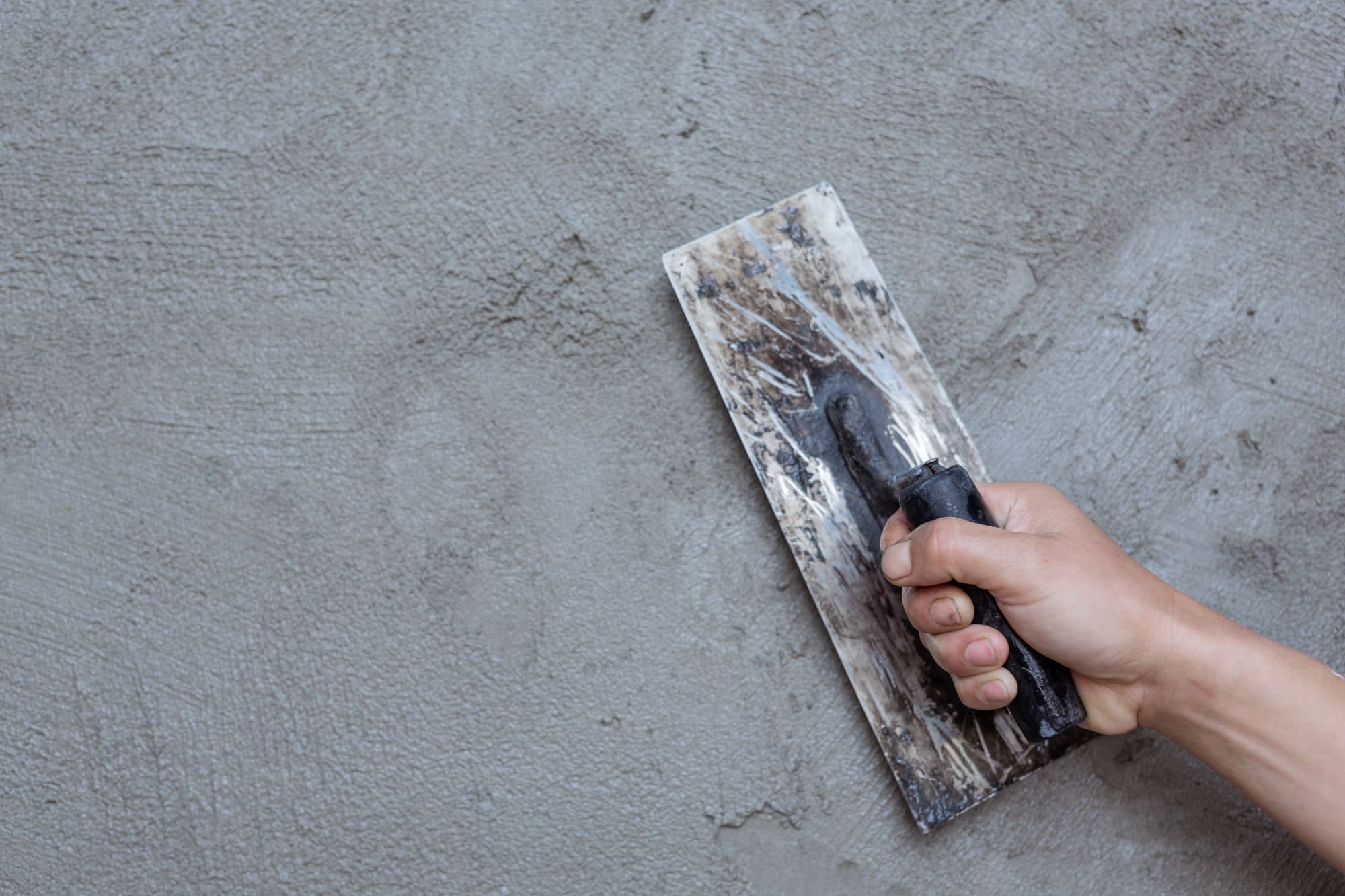
Stucco has long been one of the most popular exterior finishes for residential and multi-family buildings. Its durability, clean appearance, and ability to withstand a variety of climates make it a preferred choice for property owners and developers alike. However, like any exterior material, stucco requires proper installation, maintenance, and occasional repairs to perform effectively over time.
When stucco systems begin to deteriorate or waterproofing components fail, buildings become vulnerable to moisture infiltration. Left unaddressed, these issues can lead to structural damage, mold growth, and costly restoration projects. Understanding how stucco systems work—and why timely repairs matter—can help property owners and managers protect their investments for the long term.
Understanding How Stucco Protects a Building
Stucco is more than just a decorative exterior finish. It acts as part of the building envelope, which is the barrier that separates indoor spaces from the outside environment. When properly installed, stucco helps protect buildings from rain, wind, and temperature changes.
Modern stucco systems typically consist of several layers, including:
- A structural substrate such as wood sheathing or masonry
- A moisture barrier or weather-resistant barrier
- Metal lath reinforcement
- Multiple coats of stucco material
- Sealants and flashing around openings
These layers work together to prevent water from penetrating the building while still allowing the structure to breathe. However, when any component of this system becomes compromised, water can begin to infiltrate the walls.
Common Causes of Stucco Damage
Although stucco is known for its durability, it is not immune to wear and tear. Several factors can lead to damage or deterioration over time.
Weather Exposure
Constant exposure to sun, wind, and rain gradually affects exterior finishes. Over the years, small cracks may form in the stucco surface, allowing moisture to enter the wall system.
Improper Installation
Many stucco problems originate during the construction phase. Missing flashing, incorrect layering, or poor sealing around windows and doors can create vulnerabilities that eventually lead to water intrusion.
Structural Movement
Buildings naturally expand and contract due to temperature changes and settling. If stucco systems lack proper control joints or flexibility, cracks may develop as the structure moves.
Aging Sealants
Sealants around windows, doors, balconies, and expansion joints eventually degrade. Once these protective barriers fail, water can easily bypass the stucco surface and reach the underlying materials.
Recognizing these risks early can help prevent more extensive structural issues later.
Signs Your Building May Need Stucco Repair
Many property owners assume that visible cracks or discoloration are purely cosmetic concerns. In reality, these signs often indicate deeper issues within the building envelope.
Some of the most common warning signs include:
- Cracks are spreading across the exterior walls
- Staining or discoloration on stucco surfaces
- Bubbling or bulging areas in the finish
- Moisture stains on interior walls or ceilings
- Peeling paint near windows or door frames
- Musty odors inside the building
While minor cracks can sometimes be repaired easily, larger or recurring issues may indicate hidden moisture damage within the wall assembly. A professional inspection is often necessary to determine the full extent of the problem.
The Role of Waterproofing in Building Protection
Stucco alone is not responsible for keeping water out of a building. Effective waterproofing relies on multiple integrated systems working together to direct moisture away from the structure.
Key waterproofing components include:
- Weather-resistant barriers behind stucco
- Flashing around windows, doors, and rooflines
- Sealants at joints and penetrations
- Proper drainage systems
- Balcony and deck waterproofing membranes
When these elements function properly, they channel water safely away from the building. If any component fails, moisture may become trapped within the wall assembly, leading to hidden damage.
This is why addressing waterproofing concerns is just as important as repairing the visible stucco surface.
Why Early Repairs Save Money
One of the most significant mistakes property owners make is delaying stucco repairs. What appears to be a small cosmetic issue can often signal a larger moisture problem developing behind the walls.
If water intrusion continues unchecked, it can eventually lead to:
- Wood rot within structural framing
- Mold growth inside wall cavities
- Damage to insulation and drywall
- Structural deterioration of sheathing materials
- Expensive large-scale restoration projects
Repairing minor cracks or sealing vulnerable areas early is far more affordable than rebuilding entire wall systems later.
Routine inspections and proactive maintenance allow property managers and homeowners to address potential issues before they escalate into major structural concerns.
Professional Assessment and Repair Solutions
Because stucco systems are complex and layered, proper repair requires more than simply patching visible cracks. A thorough assessment is necessary to identify whether the damage is surface-level or caused by deeper moisture intrusion.
Professional repair processes often involve:
- Inspecting the building envelope for moisture entry points
- Removing damaged stucco sections to evaluate underlying materials
- Repairing structural components if necessary
- Reinstalling waterproof barriers and flashing systems
- Applying new stucco finishes that match the existing exterior
Specialized contractors who focus on building envelope restoration understand how to diagnose these issues and restore the integrity of the entire system.
For property owners dealing with recurring moisture issues or visible exterior deterioration, professional stucco and waterproofing repair services can help address both surface damage and underlying waterproofing failures.
Preventive Maintenance for Stucco Buildings
Regular maintenance can significantly extend the lifespan of stucco exteriors and reduce the likelihood of major repairs.
Property owners and managers should consider implementing a maintenance plan that includes:
- Annual exterior inspections
- Prompt sealing of small cracks
- Regular replacement of aging caulking
- Checking drainage systems and gutters
- Inspecting windows, doors, and flashing systems
These proactive steps help maintain the integrity of the building envelope and prevent moisture from entering vulnerable areas.
Protecting Your Building’s Long-Term Value
Stucco remains one of the most attractive and resilient exterior finishes available, but its performance depends on proper installation and ongoing care. When cracks, moisture infiltration, or waterproofing failures occur, timely repairs are essential to prevent structural damage.
By investing in professional inspections, quality repairs, and preventive maintenance, property owners can protect their buildings from costly damage while preserving both appearance and property value.
In the long run, addressing stucco and waterproofing issues early ensures that buildings remain safe, efficient, and durable for years to come.