

There’s something about coming home to a warm house on a freezing December evening that makes everything feel right. The heat that exists when you walk in, and the kids can run around wearing just socks and no one is arguing over who sits nearest the vent. In this article, you will find how outdoor PEX delivers reliable heat from your wood boiler at your family’s finger tips, and letting all the winter hassle blow away in the wind all season long.
What Makes Outdoor PEX Different from Regular Pipe
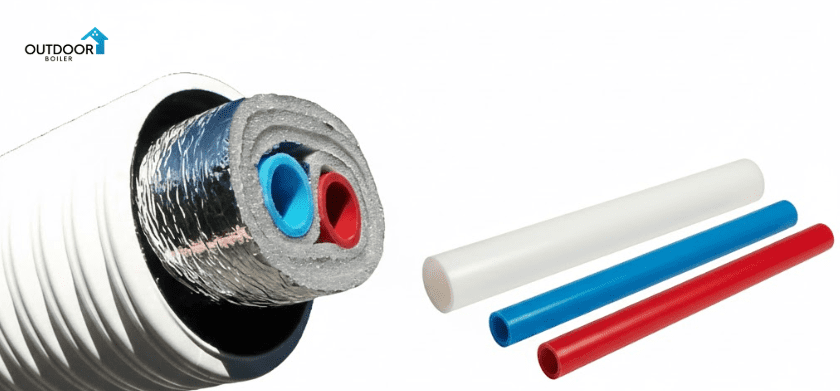
You’ve probably heard about PEX tubing before, maybe even used it for plumbing projects around the house. But outdoor PEX takes things up a notch. It is not a normal plumbing pipe that goes through the walls. We are referring to special insulated lines that will be used to pump hot water through an external wood boiler to your house without wasting valuable heat along the way.
The magic takes place in the layers. Quality outdoor PEX wraps the water tubing in thick foam insulation, then protects everything with a tough outer jacket that can handle being buried underground for decades. These lines maintain the temperature of your heated water when properly installed, and when traveling as far as 50, 75 or even 100 feet through frozen ground. That is the difference between a system which functions and one in which you question why you wasted your time.
What is the heat loss on PEX pipe?
Most homeowners don’t realize they’re bleeding money between the boiler and the house. It happens silently, invisibly, and it adds up fast. Regular pipes or poorly insulated lines can lose up to 30% of their heat during transport, which means you’re burning extra wood for absolutely nothing. That’s like tossing cash into the firebox every single day.
Insulated PEX lines cut that loss down to almost nothing. Your boiler works less, you split less wood, and the family stays warmer. The math is simple and it makes sense. Over a full heating season, we’re talking about cords of wood saved and real dollars staying in your pocket instead of floating away as wasted heat.
Which PEX is best for outdoor use?
Not all outdoor PEX gets created equal. You’ve got options, and picking the right one matters more than most people think. The insulation thickness, the jacket material, and even the type of foam used all play a role in how well your system performs when January rolls around.
Most quality systems use closed cell foam insulation that won’t absorb moisture if water somehow gets past the outer jacket. The jacket itself must be UV proof and must be tough to deal with the rocks, roots and all the other things that live in your soil. Other manufacturers include an oxygen barrier layer as well, which will keep your system water cleaner, and extend the life of the metal components. Such details may appear to be trivial, but they are what make the difference between the system which will live for 20 years and that which will have to be renewed in 10 years.
How deep to bury PEX line so it doesn’t freeze?
Here’s where people mess up. They bury PEX lines too shallow because digging is hard work, then wonder why performance drops when the cold really hits. You need at least 18 inches of cover in most climates, or deeper if you’re dealing with serious frost lines. Some northern states call for 24 or even 30 inches.
Going deep protects the lines from freeze damage and keeps ground temperature more stable year round. The earth acts like a blanket, and once you get below the frost line, temperatures stay relatively consistent even when it’s single digits above ground. We’ve seen systems last 20+ years when installed at proper depth. Do it once, do it correctly, and you won’t be digging things up later to fix mistakes.
The Trench Preparation Nobody Wants to Do (But Should)
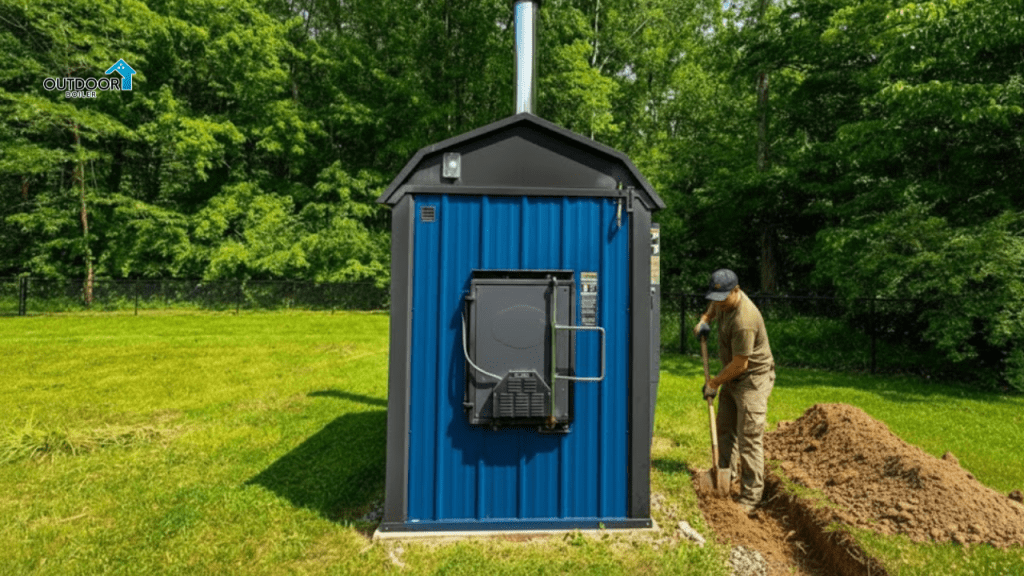
Digging the trench is the part everyone wants to skip. We get it. But the way you prep that trench will determine if your PEX lines ever get a chance to protect your domestic water supply — or are defiled before they’ve even had a chance to work. You are looking for a smooth, mostly flat bottom without rocks and too much debris that could poke through the jacket over time.
Sand is good for bedding. Put down a couple or three inches, lay in your PEX, lay over another couple of inches and backfill with dirt. This padding reaction helps prevent settling and shifting. And some other guys, to save an hour of work, they’re in the field with pinched lines or a jacket rub five years later. Not worth it.
Connecting Your Outdoor Wood Boiler System the Right Way
The beauty of modern outdoor PEX systems is how they integrate with your outdoor wood boiler setup. You’re not reinventing the wheel here. The boiler heats water, PEX moves it efficiently, and your existing radiators or radiant floors distribute the warmth throughout your home. It’s a proven system that works when each component does its job.
Most professional installations use a heat exchanger inside the home to keep the outdoor loop separate from your domestic system. This setup protects your indoor plumbing and makes maintenance straightforward. According to the Radiant Professionals Alliance, proper separation also extends equipment life and improves safety by isolating the outdoor water chemistry from your household pipes. That means fewer corrosion issues and cleaner water all around.
What pump size do I need for my outdoor wood boiler?
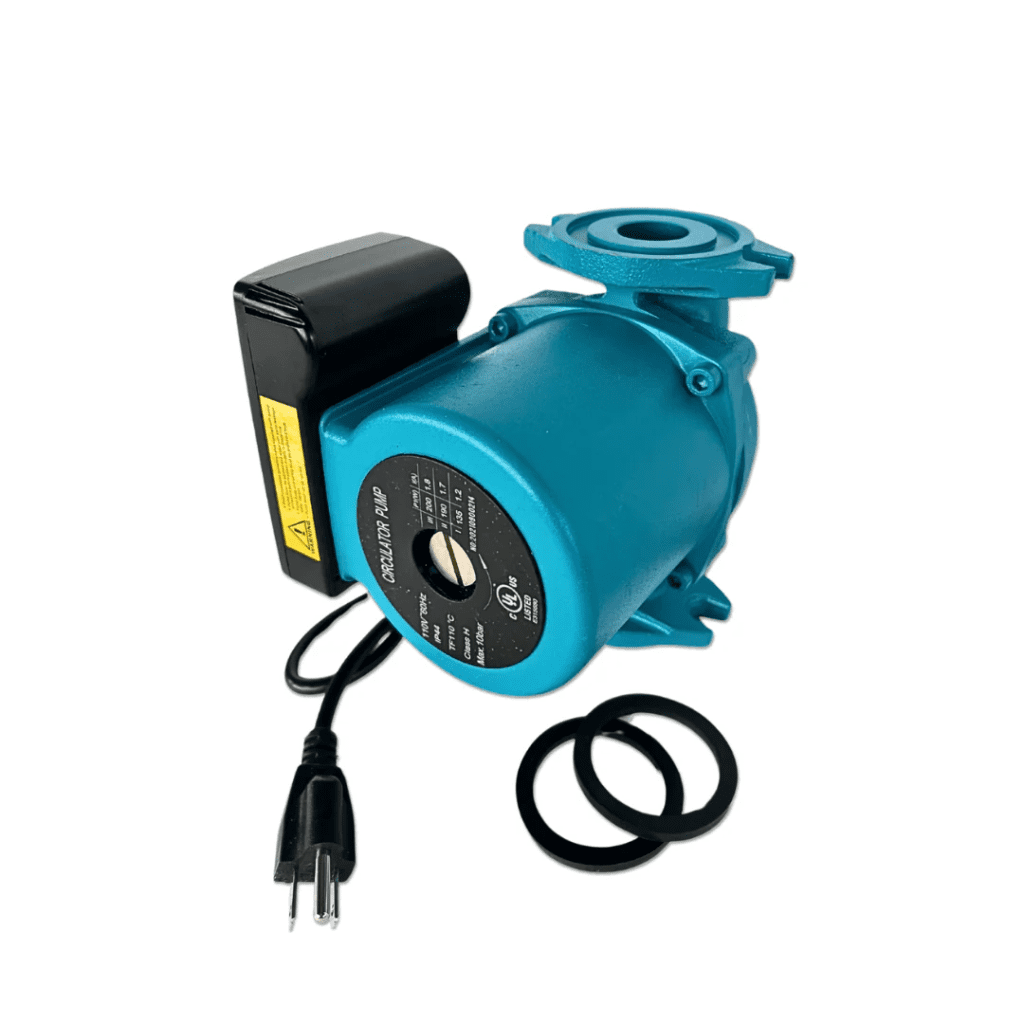
Getting the pump size right makes or breaks your system performance. Too small and you don’t get enough heat delivered to the house. Too big and you’re wasting electricity, wearing out parts with unnecessary use. The happy medium is really how far your distance from boiler to house vs. heat load and PEX size.
For example, a basic housing with 100 feet of total run may require a pump that moves between 8 and 12 gallons per minute. More flow is needed for longer runs, or larger houses. Your installer should do the math on this one, not take a wild guess. If the flow rate is correct for the system design, everything operates more quietly, more efficiently and with less stress on the equipment.
Keep the heat flowing and upgrade your Circulator Pump today for reliable, energy-efficient performance all season long.
What kind of maintenance do boilers need?
One of the best things about properly installed outdoor PEX is how little maintenance it needs. But that doesn’t mean zero. Before winter hits hard, walk your property and check for any signs of settling or exposed pipe. Sometimes frost heave or erosion can shift soil and leave sections vulnerable.
Let any air out of the system inside your house and be sure your circulator pump does not sound like it is running dry. Verify pressure on your expansion tank and add system water if necessary. These little chores will take you perhaps ten minutes to do and will catch little problems before they become big, expensive ones. Do it once in the fall and once in the spring, and your system will reward you with years of dependable service.
When to Call for Professional Help
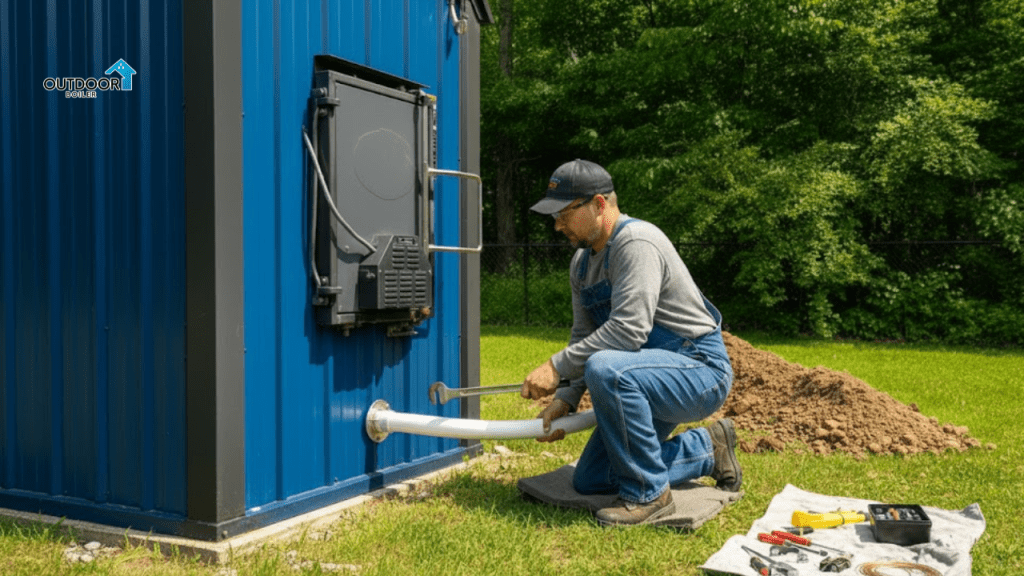
Some people can do their own trenching and basic layout. If you’re good with tools and don’t mind doing hard work, that part is definitely in DIY territory. But tying into the boiler, sizing the heat exchanger and wiring together components for indoor installation? That’s where experience counts big time.
A pro can size your pump, place the expansion tank and prevent air locks that will shut down whole systems. They know the chemistry of water and can provide you with the correct treatment program to prevent corrosion. Save for some holiday nicknacks, there’s nothing happening beneath our tree right now and that is just A-OK with us because nailing everything the first time is a vastly superior experience than troubleshooting frozen waterlines at 2 AM on Christmas Eve. Trust us on that one. It paid for itself in peace of mind, and by avoiding the cost of repair work.
Making It Through the Holidays with Dependable Heat
Nothing beats gathering around the fireplace during the holidays when you know your heating system has your back. Kids building snowmen outside, hot cocoa steaming on the counter, and not a single worry about whether the house will stay warm overnight. The tree lights twinkle, the oven’s working overtime on cookies, and everyone’s comfortable.
That’s what a solid outdoor wood boiler with properly installed PEX gives you. Peace of mind wrapped in consistent warmth. The kind of comfort that turns a house into holiday memories your family will remember for years. When relatives visit and comment on how cozy your home feels, you’ll know it’s not just the decorations doing the work.
Real World Performance in Tough Conditions

Let’s talk numbers for a second. A well designed outdoor PEX system can maintain water temperature within 5 degrees of what leaves the boiler, even over a 100 foot run in subzero weather. That’s impressive efficiency. Compare that to uninsulated pipe which might drop 20 or 30 degrees over the same distance.
This performance translates directly to wood savings. Less heat loss means your boiler fires less often and uses less fuel. Homeowners report cutting their wood consumption by 20 to 30 percent after upgrading from poor insulation to quality outdoor PEX. That’s real wood you don’t have to cut, split, stack, and haul. Over a season, it adds up to significant time and money saved.
The Underground Advantage of Buried Lines
Something interesting happens when you bury heating lines properly. They become invisible, protected, and remarkably durable. Above ground lines face UV damage, physical impacts, and extreme temperature swings. Underground lines avoid all that. They’re out of sight, out of mind, and doing their job without drama. Read more about Understanding the Benefits of Underground PEX Pipe.
Buried lines also give you a cleaner property appearance. No exposed pipes running across the yard, no insulation jackets weathering in the sun, and no tripping hazards for kids or guests. Just efficient heat transfer happening quietly beneath your feet while life goes on above ground.
What are common PEX pipe installation mistakes?
We’ve seen some head scratchers over the years. Shallow burial is the big one, but there are others. Some folks kink the PEX during installation by bending it too sharply around corners. Others forget to slope the lines properly for drainage, which can cause air pocket issues.
Another mistake is using the wrong fittings or trying to adapt outdoor PEX to indoor systems with mismatched components. Each connection point is a potential leak or efficiency loss. Stick with manufacturer recommended parts and follow their installation guidelines. The few extra dollars spent on proper components beats dealing with callbacks and repairs later.
Why Water Treatment Matters for Longevity
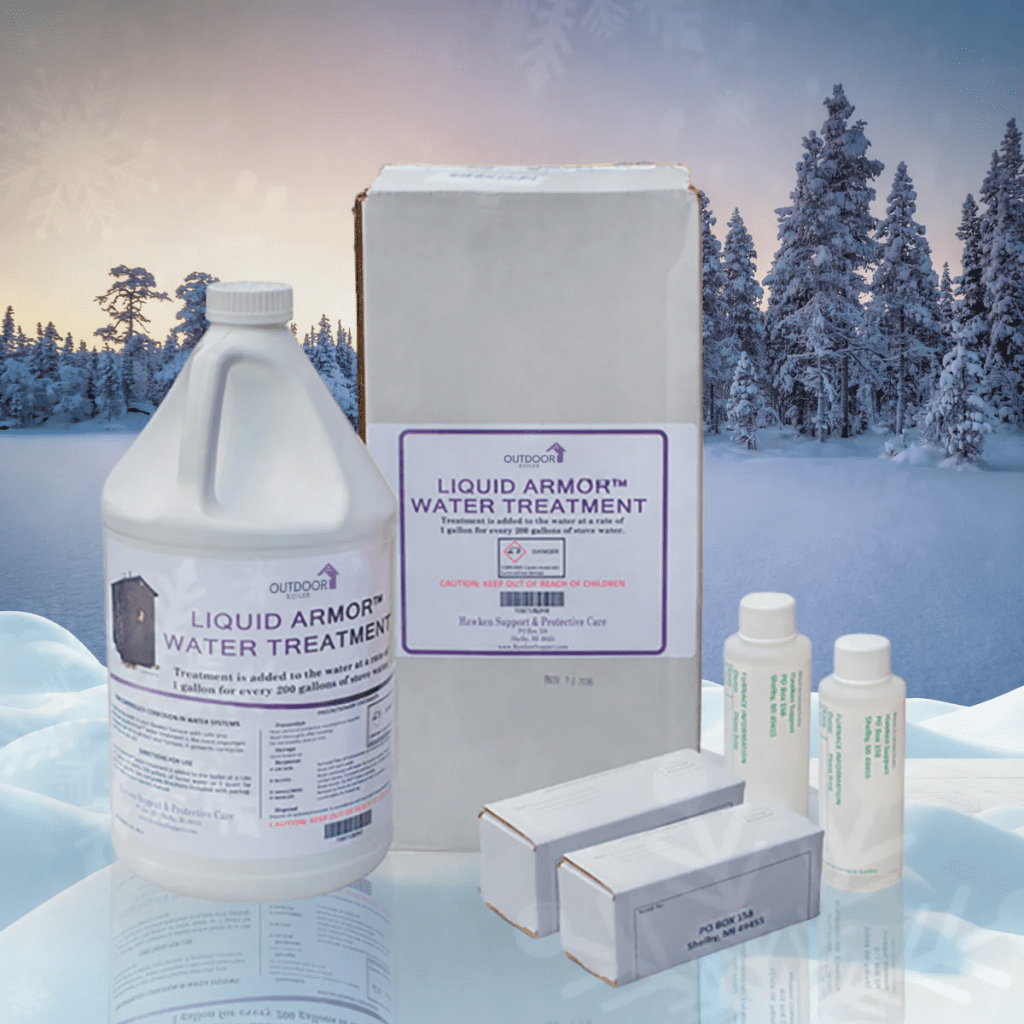
Here’s something that doesn’t get enough attention. The water circulating through your outdoor PEX system needs proper treatment to prevent corrosion and buildup. Untreated water can create scale deposits that restrict flow and reduce heat transfer. It can also eat away at metal components in your boiler and heat exchanger.
A good water treatment program costs around $50 a year and extends system life by decades. It’s cheap insurance that keeps everything running clean and efficient. Your installer should test your water and recommend the right additives for your specific situation. Don’t skip this step.
Gear Up Before the Freeze Arrives. Order your Outdoor Boiler Water Treatment, TODAY!
FAQ
How long does outdoor PEX typically last?
Quality insulated PEX can last 25 to 50 years when installed correctly and protected from UV exposure.
Can I install outdoor PEX myself?
Trenching and laying pipe is DIY friendly, but boiler connections and system balancing require professional experience.
What size PEX do I need for my system?
Most residential outdoor wood boilers use 1 inch PEX, but longer runs or higher BTU systems may need larger diameter.
Does outdoor PEX work in extreme cold?
Yes, properly insulated and buried PEX maintains temperature even in subzero conditions.
How much does outdoor PEX installation cost?
Expect $8 to $15 per linear foot installed, depending on burial depth and site conditions.
Should I insulate PEX even if it’s buried?
Absolutely, burial alone doesn’t prevent heat loss, you need proper insulation around the tubing.
Can outdoor PEX handle freeze thaw cycles?
When buried below frost line with proper insulation, outdoor PEX handles freeze thaw cycles without issues.
What happens if my outdoor PEX gets damaged?
Damaged sections can be excavated and repaired with couplings, though proper installation prevents most damage.
Ready to upgrade your heating system?
Visit OutdoorBoiler.com to explore complete solutions that bring dependable warmth to your home all season long. Our team can help you choose the right components and connect you with experienced installers who know outdoor wood boiler systems inside and out.