
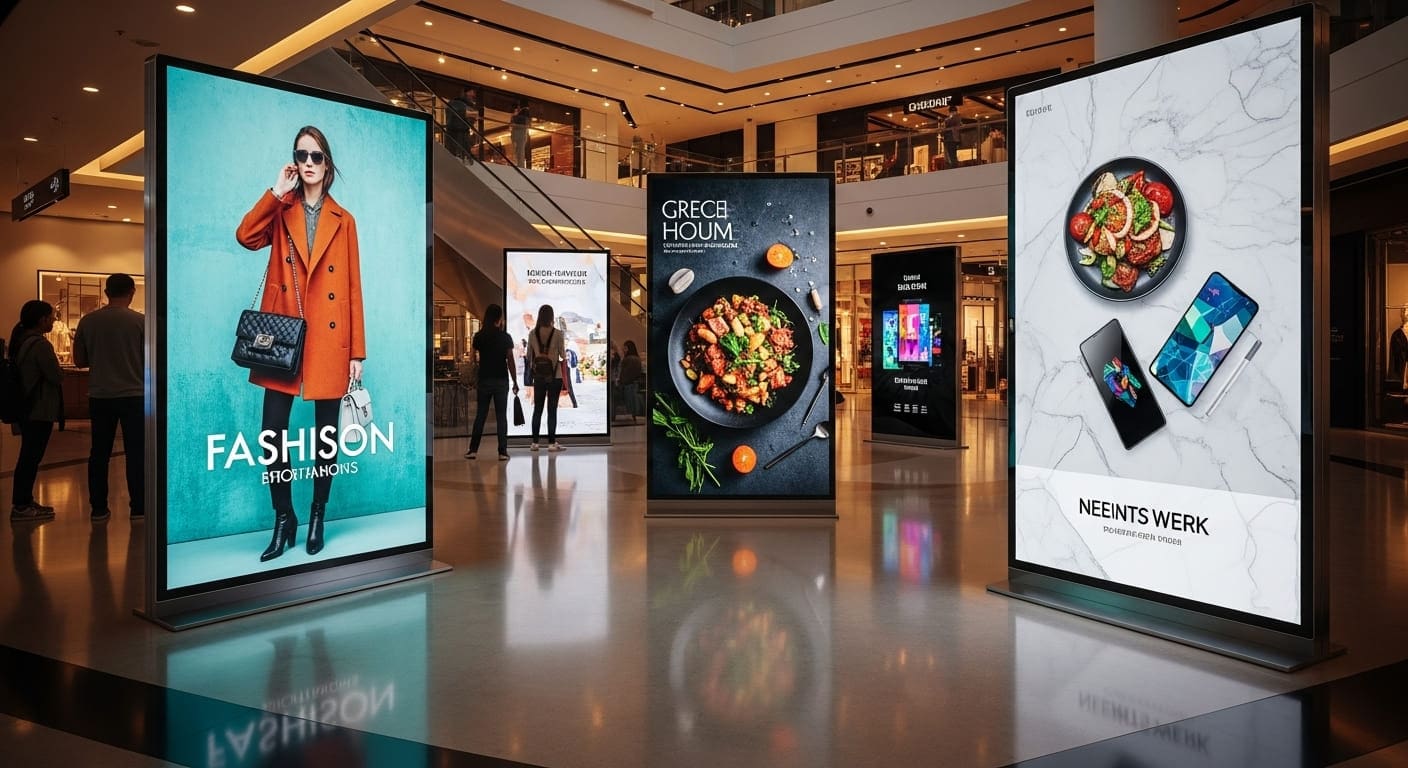
If you’re running a business in Melbourne or just dipping your toes into local marketing, you’ve probably noticed how the city’s streets and shops are lighting up in new ways. LED screens are at the heart of this shift, turning heads and sparking conversations like never before. Picture this: a bustling laneway in Fitzroy where a vibrant display cycles through event promos, or a Flinders Street shop window pulling in foot traffic with eye-popping videos. These aren’t your old static signs—they’re dynamic tools that adapt to the moment, making your message pop in a city that thrives on energy and creativity.
Melbourne’s marketing world moves fast, with its mix of coffee culture, street art vibes, and major events like the Australian Open or Moomba festival. LED screens fit right in, offering businesses a way to stand out amid the competition. They’re bright enough to cut through rainy days, flexible for quick updates, and built to last in our variable weather. In this guide, we’ll dive into why these screens are changing the game, how they play nice with local rules, and some real-life wins from around town. By the end, you’ll see exactly how an LED screen could boost your own setup.
The Rise of LED Screens in Melbourne’s Marketing Scene
LED screens have exploded in popularity here because they match Melbourne’s pulse—always on, always evolving. Back in the day, marketing relied on printed banners or basic lights that faded fast. Now, with LED technology, you get full-color displays that run 24/7, showing anything from scrolling text to high-def videos. It’s no wonder cafes in Carlton use them for daily specials, while event organizers at the Royal Exhibition Building loop highlights to draw crowds.
What drives this boom? For starters, the tech has gotten affordable and user-friendly. Small businesses can now afford a setup that rivals big brands. Plus, in a city where people scroll phones non-stop, these screens offer a fresh break—something tangible and immediate. Think about how LED screens enhance the multicultural vibe too; they can switch languages or showcase diverse stories, resonating with our global crowd.
From retail strips to transport hubs, LED screens are weaving into the fabric of daily life. They’re not background noise; they’re conversation starters, helping brands connect in a personal way. And with Melbourne’s push toward sustainable practices, the energy-saving side of LEDs makes them even more appealing.
Key Benefits of Using LED Screens for Your Business
Let’s get real—why bother with LED screens when you’ve got social media? They complement online efforts by hitting people right where they are: walking, driving, or chilling at a park. Here’s what makes them a smart pick for Melbourne marketers:
- Unmatched Visibility Day or Night: These screens shine bright—up to 10,000 nits of brightness—so your message cuts through sunlight on St Kilda Beach or fog in the Yarra Valley. No more washed-out signs; colors stay vivid, grabbing attention from 50 meters away.
- Dynamic Content That Keeps Things Fresh: Update your display remotely via app or software. Promote a flash sale at your Bourke Street store one hour, then switch to a community event the next. It’s perfect for Melbourne’s seasonal swings, like summer barbecues or winter markets.
- Energy Efficiency Without the Guilt: LEDs use up to 80% less power than traditional neon or halogen lights. In a city aiming for green goals, this means lower bills and a smaller carbon footprint. Imagine running a screen all weekend at a Southbank festival without spiking your energy costs.
- Durability Built for Aussie Conditions: Rain, heat, dust—Melbourne throws it all. IP65-rated LED screens handle the lot, with lifespans over 100,000 hours. That’s years of reliable service before any tweaks.
- Boosted Engagement and Sales: Studies show dynamic displays lift foot traffic by 30-50%. In high-traffic spots like Queen Victoria Market, an LED screen can turn browsers into buyers with targeted promos.
These perks add up, especially when you’re competing with hundreds of other spots in the CBD. LED screens don’t just advertise; they create experiences that stick.
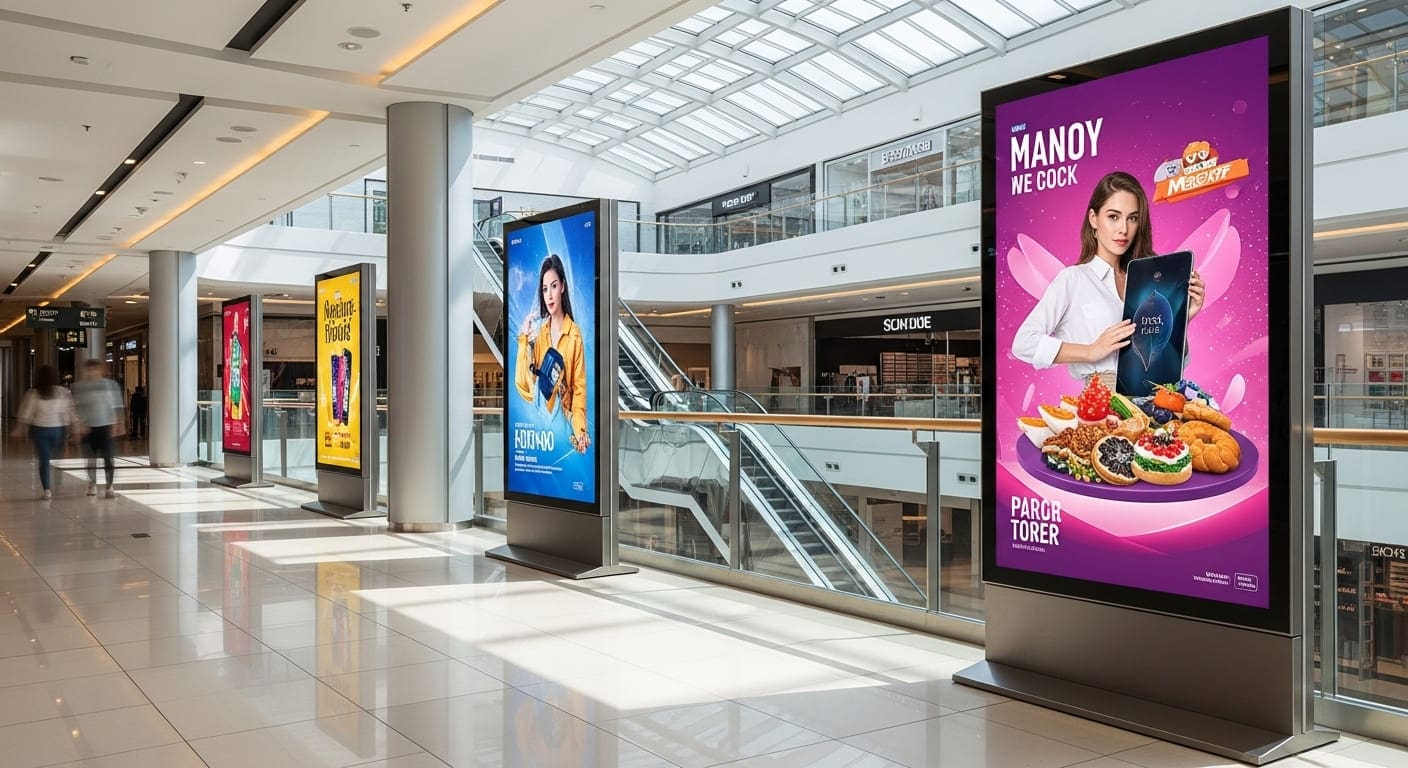
Navigating Melbourne’s Rules for LED Signage
Jumping into LED screens sounds exciting, but Melbourne has guidelines to keep things safe and fair. The good news? They’re straightforward if you plan ahead. Victoria’s planning schemes cover signage to protect views, traffic flow, and light levels.
Start with size limits: In commercial zones, displays up to 10 square meters often skip permits, but check your local council like City of Melbourne for specifics. For outdoor setups, brightness must meet Australian Standard 1158 for road lighting to avoid dazzling drivers. Indoor screens have fewer hurdles, but all electrical work needs a licensed pro registered with Energy Safe Victoria.
Light pollution is a hot topic too—recent council talks aim to dim screens at night for better city liveability. Opt for auto-dimming features to stay compliant. On the flip side, VicRoads specs ensure message signs are reliable, like wiring LEDs so one failure doesn’t black out the whole thing.
Cultural fit matters here. Melbourne loves its night skies and street feel, so screens that blend with laneway art or event lighting get a thumbs up. Chat with your council early—many offer free advice. Following these keeps your LED screen legal, avoiding fines, and lets you focus on the fun part: creating content that wows.
Inspiring Examples from Around Melbourne
Nothing sells like seeing it in action. Melbourne’s full of spots where LED screens are nailing marketing, from quiet suburbs to the heart of the action. Take shopping centers in the west: massive curved displays sync real-time promos with store events, drawing families on weekends. One setup loops ads for local markets alongside kid-friendly animations, boosting dwell time and sales.
Stadiums are another win. During AFL games at the MCG, perimeter LED screens flash player stats and sponsor spots, immersing fans in the hype. It’s not just sports—festivals like White Night use them for interactive maps and artist spotlights, turning the CBD into a glowing canvas that ties into our street art heritage.
Retail’s getting creative too. In the east, 3D LED displays in store windows create illusions—like floating products—that stop scrollers in their tracks. Picture a Collins Street boutique using one for fashion shows, syncing with social media for viral shares. And don’t forget transport: Trams and stations feature slim LED panels for route updates mixed with ads, making commutes engaging.
These examples show LED screens adapting to Melbourne’s culture—vibrant, inclusive, and event-driven. From pop-up markets in Collingwood to heritage sites in the south, they’re amplifying local stories while driving results. If you’re in hospitality, retail, or events, there’s a setup here that mirrors your vibe.
How to Pick and Set Up Your LED Screen
Ready to get one? Start by matching it to your goals. For outdoor marketing, go for high-brightness models with weatherproofing. Indoors? Slim panels save space and blend seamlessly.
Key factors:
- Pixel Pitch: Closer pitches (like 4mm) for sharp indoor views; wider (10mm+) for distant outdoor spots.
- Size and Shape: Custom curves for shop fronts or modules for easy expansion.
- Content Management: Pick software that’s mobile-friendly for quick tweaks.
Installation’s simple: Hire a licensed team to mount securely, wire safely, and test. Expect 1-2 days for most jobs. Maintenance? Wipe modules monthly and check connections yearly—LEDs are low-fuss.
Budget-wise, entry-level screens start around $5,000 for small units, scaling with size. Factor in power costs (minimal) and content creation. Test a rental first for events to see the impact.
Questions and Answers: Common Questions About LED Screens in Melbourne
Got questions? We’ve rounded up some top ones from local business owners, answered straight.
Q: How do I get a permit for an outdoor LED screen in Melbourne?
Ans: Head to your council’s planning portal—City of Melbourne or others have online forms. For signs under 10 square meters in commercial areas, you might skip it, but always confirm. Include site plans and brightness specs to speed things up.
Q: Are LED screens energy-efficient enough for Victoria’s green push?
Ans: Absolutely—they sip power compared to old lights, aligning with state upgrades like the Victorian Energy Upgrades program. Look for models with timers to cut night use and meet light standards.
Q: What’s the best spot for an LED screen to boost foot traffic in the CBD?
Ans: High-traffic walks like Swanston Street or near trams work wonders. Aim for eye-level mounts to catch commuters, and tie content to nearby events for max pull.
Q: How weather-proof are LED screens for Melbourne’s rain and wind?
Ans: Top ones are IP65-rated, sealing out water and dust. They’ve held up at outdoor festivals through storms, but proper install is key—secure brackets and drainage.
Q: Can LED screens help with multicultural marketing in diverse suburbs like Footscray?
Ans: Yes! Program multilingual content or community nods, like Lunar New Year promos. It builds trust and fits our inclusive scene.
Conclusion: Your Path to a Successful LED Screens in Australia
Wrapping it up, LED screens are reshaping how Melbourne businesses connect, from brighter visibility and dynamic updates to eco-friendly perks that nod to our sustainable side. They’ve powered wins at stadiums, markets, and shops, all while playing by local rules on size, light, and safety. Whether you’re eyeing a window display or event backdrop, these tools deliver engagement that static signs can’t touch.
Your next move? Sketch your vision—where, what message, budget. Chat with a signage expert for a custom quote, test a small setup, and launch with fresh content. In Australia’s vibrant signage world, starting with LED screens sets you up for standout marketing that grows with you. Dive in, and watch your brand light up the city.
