

That satisfying pop when you crack your knuckles might feel good in the moment, but constantly cracking your joints can lead to unexpected problems. While the occasional joint crack isn’t necessarily harmful, making it a daily habit can impact your joint health and mobility over time.
Many people develop joint cracking as a nervous habit or stress response, but there are better ways to maintain joint health and flexibility. Here’s what you need to know about the risks of excessive joint cracking and why stretching offers superior benefits for your musculoskeletal system.
What Actually Happens When You Crack Your Joints
Joint cracking produces that distinctive popping sound when gas bubbles in your synovial fluid collapse. This fluid lubricates your joints, and when you manipulate them, pressure changes cause nitrogen bubbles to form and burst rapidly.
While this process isn’t inherently dangerous, repeatedly forcing your joints into these positions can strain the surrounding ligaments and tendons. Your joints aren’t designed for constant manipulation, and overdoing it can lead to joint instability over time.
The Hidden Risks of Constant Joint Cracking
Ligament Damage and Joint Instability
Excessive joint cracking can gradually stretch and weaken the ligaments that hold your joints together. These connective tissues provide crucial stability, and when they become loose, your joints may feel unstable or wobbly.
Reduced Grip Strength
Research suggests that habitual knuckle cracking may lead to decreased grip strength over time. Your hands rely on precise coordination between joints, tendons, and muscles—constant manipulation can disrupt this delicate balance.
Potential for Injury
When you crack your joints aggressively, you risk hyperextending them beyond their natural range of motion. This can result in sprains, strains, or other soft tissue injuries that require professional treatment.
Masking Underlying Issues
Constantly cracking joints might temporarily relieve stiffness, but it can mask underlying problems that need attention. What feels like a solution might actually be preventing you from addressing the root cause of your discomfort.
Why Stretching Is the Better ChoiceImproves Flexibility Naturally
Regular stretching gradually increases your range of motion by lengthening muscles and improving joint mobility. Unlike joint cracking, which provides temporary relief, stretching creates lasting improvements in flexibility.
Strengthens Supporting Muscles
Proper stretching routines engage the muscles surrounding your joints, providing better support and stability. This reduces your reliance on joint manipulation for relief.
Reduces Muscle Tension
Stretching addresses one of the primary reasons people crack their joints—muscle tension. By releasing tight muscles, you eliminate the need to seek relief through joint manipulation.
Promotes Better Circulation
Stretching increases blood flow to your muscles and joints, delivering essential nutrients and removing metabolic waste products. This natural process supports healing and reduces stiffness.
Simple Stretching Alternatives
Replace your joint cracking habits with these gentle stretches:
For Neck Tension: Slowly tilt your head to each side, holding for 15-30 seconds
For Shoulder Stiffness: Roll your shoulders backward in slow, controlled circles
For Back Relief: Perform gentle spinal twists while seated or standing
For Finger Joints: Stretch your fingers backward gently, then make a fist and release
When to Seek Professional Help
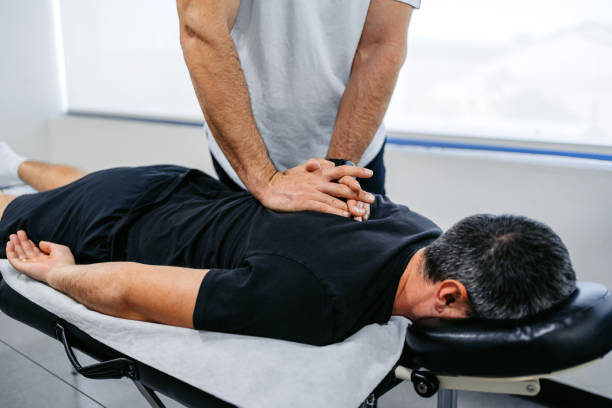
If you experience persistent joint stiffness, pain, or the urge to crack joints frequently, consider consulting licensed chiropractors who can assess your musculoskeletal health. Grimsby chiropractors and other qualified professionals can provide proper chiropractor adjustment techniques when needed, along with personalized stretching and strengthening programs.
Professional assessment ensures you receive appropriate care rather than relying on self-manipulation that might worsen underlying issues.
Building Better Joint Health Habits
Breaking the joint cracking habit takes time and conscious effort. Start by incorporating regular stretching into your daily routine—even five minutes of gentle stretching can make a significant difference in how your joints feel.
Focus on addressing the underlying causes of stiffness through proper posture, regular movement, and stress management. These approaches provide lasting benefits that joint cracking simply cannot match.
Your joints will thank you for choosing gentle, therapeutic movement over forceful manipulation. Make stretching your new go-to solution for stiffness and tension.