
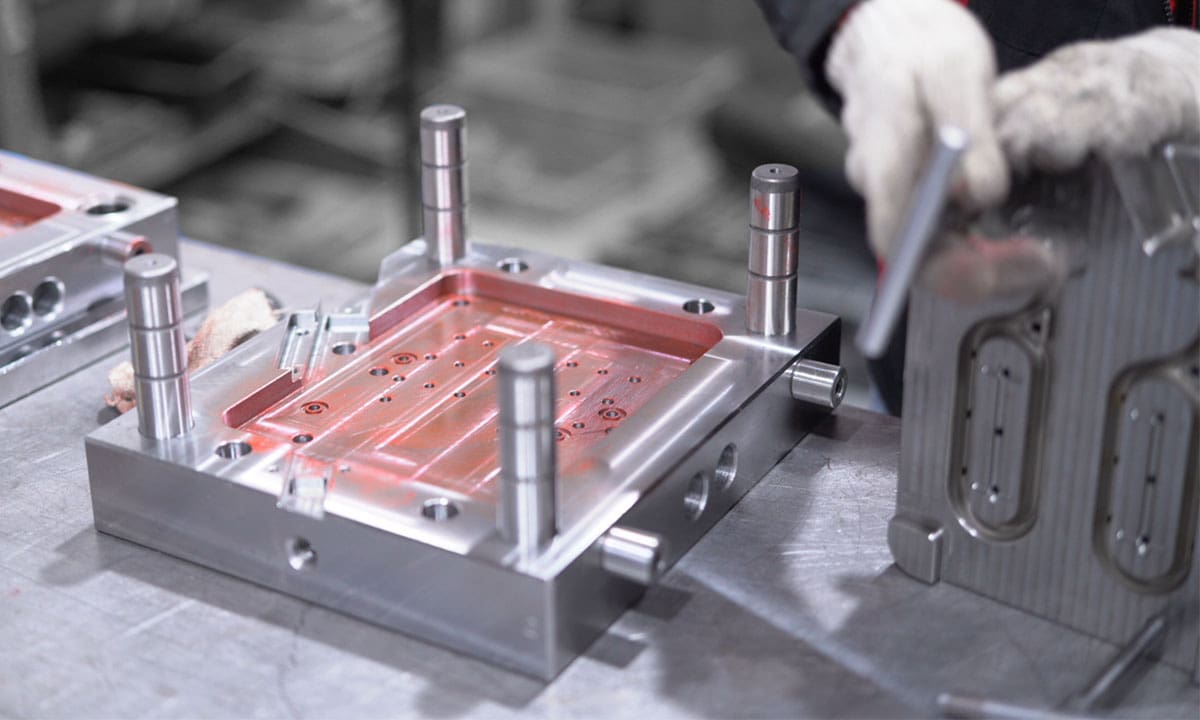
In manufacturing, every detail matters, from material selection to precise finishing. Yet one critical aspect that’s underestimated is the design of the mold itself. The mold defines the quality, durability, and performance of every plastic component it shapes. When tooling decisions lack foresight, issues like higher costs, production delays, and inconsistent results can surface over time.
Manufacturers that invest in superior injection mold design experience smoother production runs, reduced material waste, and greater product reliability. Viewing mold tooling as a long-term investment rather than a short-term cost helps drive consistent quality, operational efficiency, and stronger customer satisfaction for years to come.
Precision Engineering Defines Product Quality
A well-designed mold acts as the blueprint for every part produced. Its shape, flow channels, and cooling systems directly influence product accuracy and consistency. When tooling is engineered with precision, the molded parts consistently meet tight tolerances and dimensional standards.
High-quality mold design ensures balanced filling, even cooling, and minimized shrinkage, all factors that prevent defects such as warping or distortion. This attention to detail results in products that function perfectly and maintain their integrity through years of use.
Reduced Downtime and Maintenance Costs
Inferior tooling might look cost-effective upfront, but it leads to frequent breakdowns or part failures that slow production. Molds designed with durable materials and proper engineering resist wear, even during continuous operation.
Regular maintenance remains essential, but the frequency and cost are dramatically lower with quality molds. Reduced machine downtime means higher productivity, fewer interruptions, and a steady production schedule, key advantages that drive long-term profitability.
Efficiency Through Smarter Design
Modern mold design focuses on efficiency at every stage. Thoughtful features such as optimized gate placement, balanced runner systems, and controlled cooling channels help shorten cycle times. Each improvement directly impacts production speed and energy use.
A well-planned mold doesn’t just save time; it enhances precision and repeatability. Consistent cycle performance ensures stable part quality, even in high-volume runs. This efficiency translates into reduced waste, faster turnaround, and better utilization of equipment and labor resources.
Material Longevity and Performance Benefits
The materials used in tooling construction matter just as much as the mold’s geometry. High-grade steels, aluminum alloys, or hardened inserts provide strength and wear resistance against constant pressure and temperature changes.
When combined with advanced coatings or surface treatments, these materials extend the tool’s lifespan while maintaining part quality. Investing in proper material selection during the design stage ensures the tooling performs reliably through thousands or even millions of molding cycles.
Improved Product Consistency and Brand Reputation
Consistent part quality builds trust with customers and end users. When tooling maintains its precision over long production runs, every part produced meets the same high standards. Consistency minimizes rework and waste and enhances the reputation of the manufacturer.
Businesses known for dependable quality attract repeat orders and long-term partnerships. Reliable mold design is, therefore, more than an engineering choice; it becomes a strategic brand advantage that differentiates a company from competitors.
Sustainability and Cost Control
High-quality molds contribute to sustainability through reduced scrap rates and energy efficiency. When molds perform optimally, they require fewer rejections, less raw material waste, and lower power consumption per cycle. This eco-friendly advantage also reduces production costs over time.
Additionally, efficient molds help minimize post-production finishing work. Precise molds produce near-perfect parts right out of the press, eliminating extra trimming or polishing steps. Every efficiency gained means less waste and higher overall sustainability for the manufacturer.
Long-Term Return on Investment
The initial expense of a quality mold may be higher, but its return compounds over time. Extended tool life, reduced maintenance, faster cycles, and consistent part quality all add up to major savings. In contrast, low-cost molds require frequent repairs or early replacements, doubling costs within a short span.
When viewed as a long-term asset rather than a disposable component, a premium mold pays for itself many times over. The investment strengthens production stability and ensures profitability for years, not just months.
Key Takeaways Before Investing in Tooling
- Evaluate material compatibility: Match tool steel or alloy with molding materials to prevent premature wear.
- Prioritize precision engineering: Balanced filling, proper cooling, and gate placement drive performance.
- Review long-term production needs: Design molds for volume, speed, and durability.
- Partner with experienced designers: Collaboration with skilled engineers ensures function and cost balance.
- Plan for maintenance: Establish inspection cycles to extend tool life and maintain part accuracy.
Quality mold tooling isn’t just a production expense; it’s a foundation for reliable manufacturing success. From performance efficiency to reduced costs, investing in superior injection mold design builds resilience into every stage of the process. With proper design, high-grade materials, and skilled engineering, each mold becomes a durable asset that pays dividends through consistent output and customer trust. Long after cheaper alternatives fail, well-crafted tooling continues to deliver precision, productivity, and value, proving that quality truly lasts longer than cost savings ever do.