
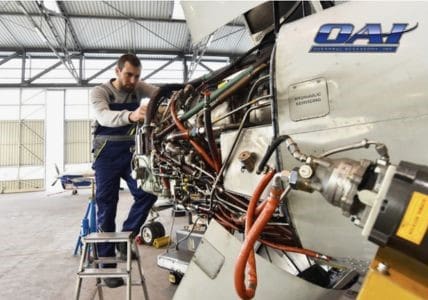
Heavy machinery powers the backbone of our economy, supporting critical activities in construction, manufacturing, mining, and logistics. At the heart of these operations are hydraulic systems, which are the essential arteries enabling massive lifts, precise excavation, and sustained pressing force. Yet, due to relentless wear and tear, their performance inevitably degrades, leading to slow response times, crippling downtimes, or total system breakdown. Timely, specialized hydraulic system repair and overhaul is not merely a maintenance task—it is a mandatory investment that ensures these high-value machines run reliably and efficiently, proactively avoiding costly interruptions.
For any heavy equipment operator or owner, prioritizing the hydraulic system repair and overhaul schedule is imperative for operational safety, maximum output, and cost efficiency. Proper maintenance safeguards expensive machinery assets, supports continuous productive activities, and drastically reduces long-term operational costs. With expert, strategic maintenance, every piece of machinery can run at its peak specification, eliminating the risk of sudden, expensive shutdowns.
In this blog, we will examine the crucial advantages of advanced hydraulic system maintenance and restoration in heavy machinery.
Overview of Hydraulic Systems and Their Vulnerabilities
Hydraulics are complex, closed-loop systems that use pressurized fluid to transmit immense power. Pumps, control valves, actuators (cylinders), and high-pressure hoses work together to perform precise movements under heavy load. These systems are ideal for heavy machinery because they generate a massive force in relatively small spaces.
Keeping these intricate systems efficient and reliable is the core challenge. Even minor wear—such as a worn seal, a leaking hose, or a compromised filter—can catastrophically degrade the machine’s performance. Operators must develop a core understanding of how these components function and commit to periodic inspections to detect faults at the earliest possible stage.
Critical Signs Your Hydraulic System Needs Immediate Overhaul
Undetected hydraulic problems escalate rapidly, leading to severe damage and expensive repairs. Early detection is key. Here are the major red flags indicating a need for hydraulic system repair and overhaul:
- Slow or Erratic Machine Movement: If a machine slows down, struggles to lift, or moves with an uneven motion, it signals a significant loss of pressure or internal component deterioration (like a failing pump or cylinder bypass). Ignoring this failure mode places incredible stress on the entire system, leading to cascading component failures.
- Unusual Sounds (Cavitation and Contamination): Grinding, whining, or knocking sounds emanating from the cylinders or pump almost always indicate internal damage, severe aeration, or fluid contamination (particulates, air, or water). Detecting unusual sounds is a crucial opportunity to intervene before permanent damage occurs and prevent the need for total component replacement.
- Excessive Heat Generation: Hydraulic fluid operating at excessive temperatures (above 180°F or 82°C) rapidly breaks down seals and accelerates component wear. High heat often signals internal leakage, restricted flow, or heat exchanger failure.
- Visible Fluid Leaks: Any oil residue, leaking hoses, worn seals, or low reservoir levels are unmistakable alerts. Fluid loss compromises pressure, contaminates the surrounding environment, and directly impacts operational safety.
Benefits of Timely Hydraulic System Repair And Overhaul
Minor failures in hydraulics lead to compounded costs through delays and a shortened working life for heavy machinery. Proactive servicing delivers substantial benefits:
- Performance and Reliability Improvements: Periodic repair and overhaul restore machinery to its original specification, ensuring fluid movement and power output are consistent and predictable. This allows machinery to perform at its best, maximizing productivity and project completion certainty.
- Prevention from Major Failures: Timely maintenance stops the progression of a minor repair into a system-wide catastrophic failure. By replacing seals and filters on schedule, you cut down on investment in costly component replacements and minimize the risk of a full component seizure.
- Safety and Compliance: A properly maintained hydraulic installation drastically lowers the risks of operational accidents to operators and damages to the working environment. Reliable hydraulics ensure compliance with industry safety regulations and lead to a more accident-free worksite.
- Cost Efficiency and Longevity: A preventive overhaul minimizes the risk of expensive emergency repairs, dramatically reduces downtime hours, and improves the machine’s energy efficiency. This is a direct investment in the asset’s total operational lifespan.
Conclusion: Don’t Wait to Invest in Hydraulic System Repair And Overhaul
Routine, expert maintenance and the empowerment of hydraulic system repair and overhaul are technically crucial investments in safety, performance, and equipment durability. Small, untreated problems can quickly lead to sudden component failure, impacting your operations with drastic financial and safety implications.
By understanding the vulnerabilities of hydraulic systems, identifying red flags, and partnering with an expert firm like Component Overhaul Services Corp, your business can keep its heavy machinery performing at peak levels for years to come. In truth, proper maintenance is not just about keeping the machine running—it’s a critical investment in the productivity, safety, and long-term cost-saving of your entire operation.
