
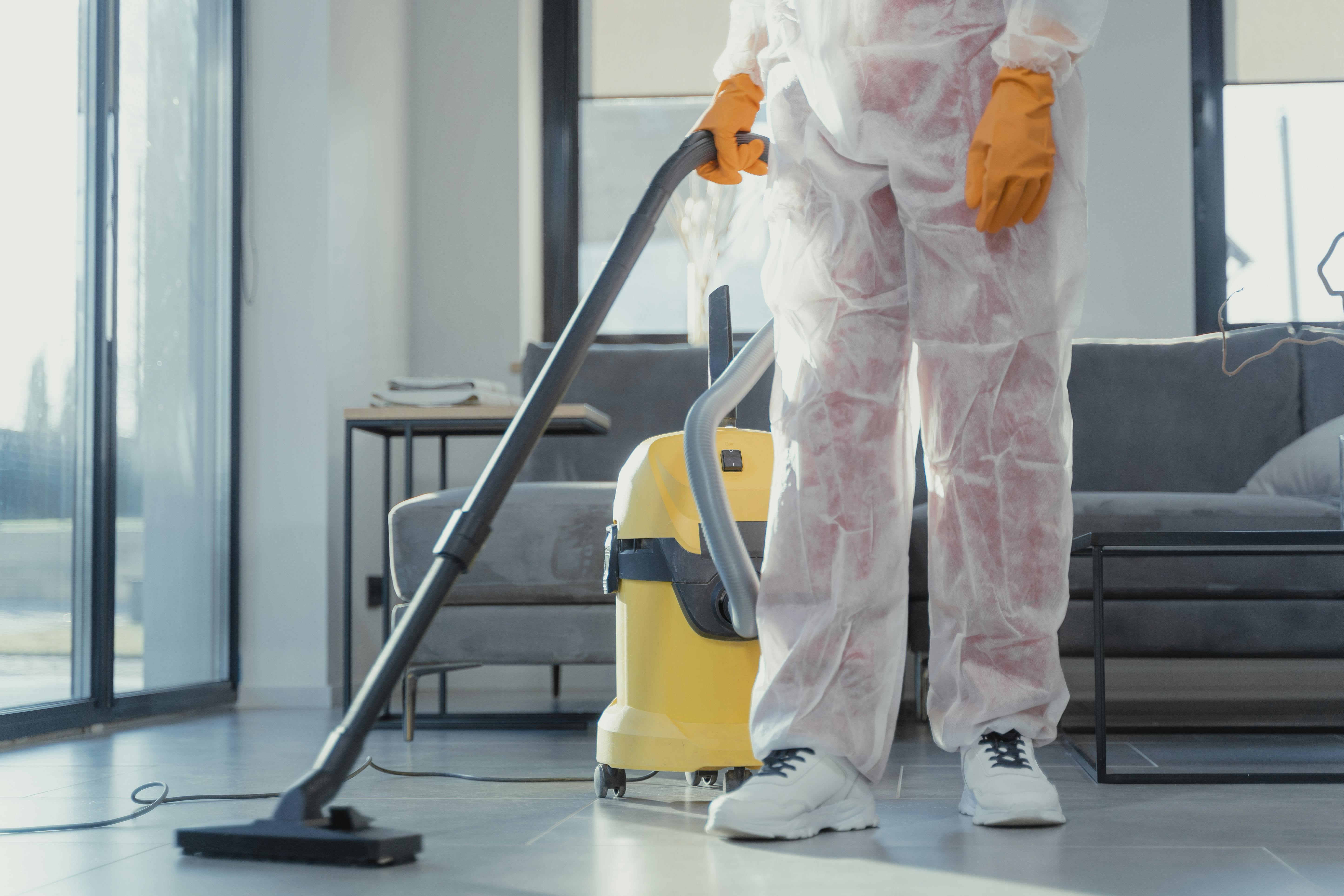
Cleaning and disinfection expectations have shifted over the past decade. Consumers and facility managers no longer settle for products that make surfaces appear clean. There is now a stronger focus on safety, environmental responsibility, and effectiveness against a wide range of pathogens. These changing priorities push the cleaning industry toward groundbreaking solutions that address health and sustainability concerns without losing performance.
One option that gains attention meets these demands while challenging long-established chemical cleaners. Its expansion across healthcare, food service, hospitality, and residential settings reflects a broader shift in how people think about hygiene and chemical exposure.
A Different Approach to Disinfection
At the core of this shift is hypochlorous acid, a compound that the human immune system produces in order to fight bacteria, viruses, and fungi. When stabilized for commercial use, it becomes a powerful disinfectant that works and effectively at low concentrations.
Unlike many traditional cleaners that rely on harsh synthetic chemicals, this solution eliminates pathogens by causing disruption to their cell walls and internal functions. Because the mechanism is simple and biological, microbes cannot develop resistance. This gives it a long term advantage over chemical disinfectants that may lose effectiveness as resistance builds.
The science behind these solutions has helped build trust among professional users who need reliable sanitation without excessive chemical exposure.
Safety for People and Spaces
One of the most compelling reasons for adoption is safety. Many conventional cleaners contain ingredients that can irritate the skin, eyes, or respiratory system. Prolonged exposure in workplaces such as hospitals and schools can pose real occupational health concerns.
By contrast, HOCl products are non-toxic, non-corrosive, and gentle enough to use around children, pets, and sensitive individuals when used as directed. They do not produce harmful fumes and do not require specialized protective equipment for routine use.
This safety profile makes them valuable in environments where frequent cleaning is necessary. Staff can disinfect surfaces more often without worrying about cumulative chemical exposure and occupants can return to cleaned spaces almost .
Environmental Benefits That Matter
Environmental responsibility now plays a bigger part in buying choices for organizations with sustainability goals. Many conventional cleaners leave behind chemical residues that enter water systems and add to pollution. Their manufacturing and transport also add to environmental harm.
Hypochlorous acid solutions break down into simple substances after use leaving no harmful residues behind. In many cases, they can be generated on site using water, salt, and electricity reducing the need for plastic packaging and long distance transportation.
This combination of biodegradability and reduced waste aligns well with both corporate sustainability programs and consumer expectations for greener products.
Versatility Across Industries
Another factor driving replacement is versatility. Traditional cleaning often requires multiple specialized products for different surfaces and contamination types. This increases training requirements, storage needs and the risk of misuse.
HOCl based disinfectants are effective on a wide range of surfaces and against many types of pathogens, including bacteria, viruses and spores. Hospitals use them for surface and equipment disinfection, food processing facilities use them to sanitize contact areas, and homes use them for everything from kitchens to high touch surfaces.
By simplifying cleaning protocols, organizations can reduce inventory complexity while maintaining high hygiene standards.
Cost Effectiveness Over Time
While some emerging cleaning technologies may appear more expensive at first long term cost savings are a key reason for adoption. The ability to use a single safe disinfectant across multiple applications reduces purchasing and storage costs.
On site generation systems further lower expenses by cutting down on packaging, shipping, and disposal fees. Reduced health risks also mean fewer incidents related to chemical exposure, which can lead to lower insurance and compliance costs.
When evaluated beyond the upfront price, these products often provide a strong return on investment for both businesses and households.
The Future of Modern Cleaning
The shift away from conventional chemical cleaners reflects a broader reevaluation of what effective cleaning should look like. Today, performance alone is not enough. Products must also support health, safety, and environmental responsibility.
As awareness grows and regulations tighten around chemical use, adoption will speed up. What began as a specialized solution is becoming a mainstream choice for those who want dependable disinfection without unnecessary drawbacks. This trend signals not just a change in products, but a revolution in how cleanliness itself is defined.