
Introduction
Many drivers think highway shoulders provide a safe spot to stop during emergencies or car troubles. But this idea can be wrong. Shoulders do serve a purpose, but they’re also some of the riskiest areas on a highway. Cars stopped on the shoulders face fast traffic, drivers not paying attention, and changing conditions. Knowing why shoulders are risky can help drivers make smarter choices when they have problems on the road.
Limited Space and High-Speed Traffic
One of the main risks of highway shoulders is the shortage of enough room. These areas are slim made to stop , not for long stays. When someone parks on the shoulder, they’re often just a few feet from cars and trucks zooming by at high speeds. This closeness raises the chance of side-hits or crashes if another driver swerves out of their lane. Big trucks can cause strong air swirls that shake parked cars on the shoulder, making it even more risky.
Driver Distraction and Human Error
Highway shoulders also make accidents more likely because they distract drivers. Drivers often slow down to check out stopped cars, which can cause traffic jams or crashes. Sometimes, drivers think a shoulder is just another lane, especially in busy areas, leading to risky moves. People make mistakes, and this causes many shoulder-related crashes. Georgia crash reports often show how careless or reckless driving leads to collisions with cars parked on shoulders. These incidents highlight why we should treat shoulders as spots for emergencies , not convenient places to stop.
Vulnerability During Emergencies
When drivers stop on the shoulder because of car trouble or health issues, they’re often at risk. A broken-down car might not have working lights, which makes it hard to see at night or in bad weather. People who get out of their cars to check for damage or to call for help are in danger from fast cars passing by. Even the folks who come to help, like tow truck drivers or paramedics, are in danger when they work next to cars zooming by at high speeds.
Environmental and Weather Hazards
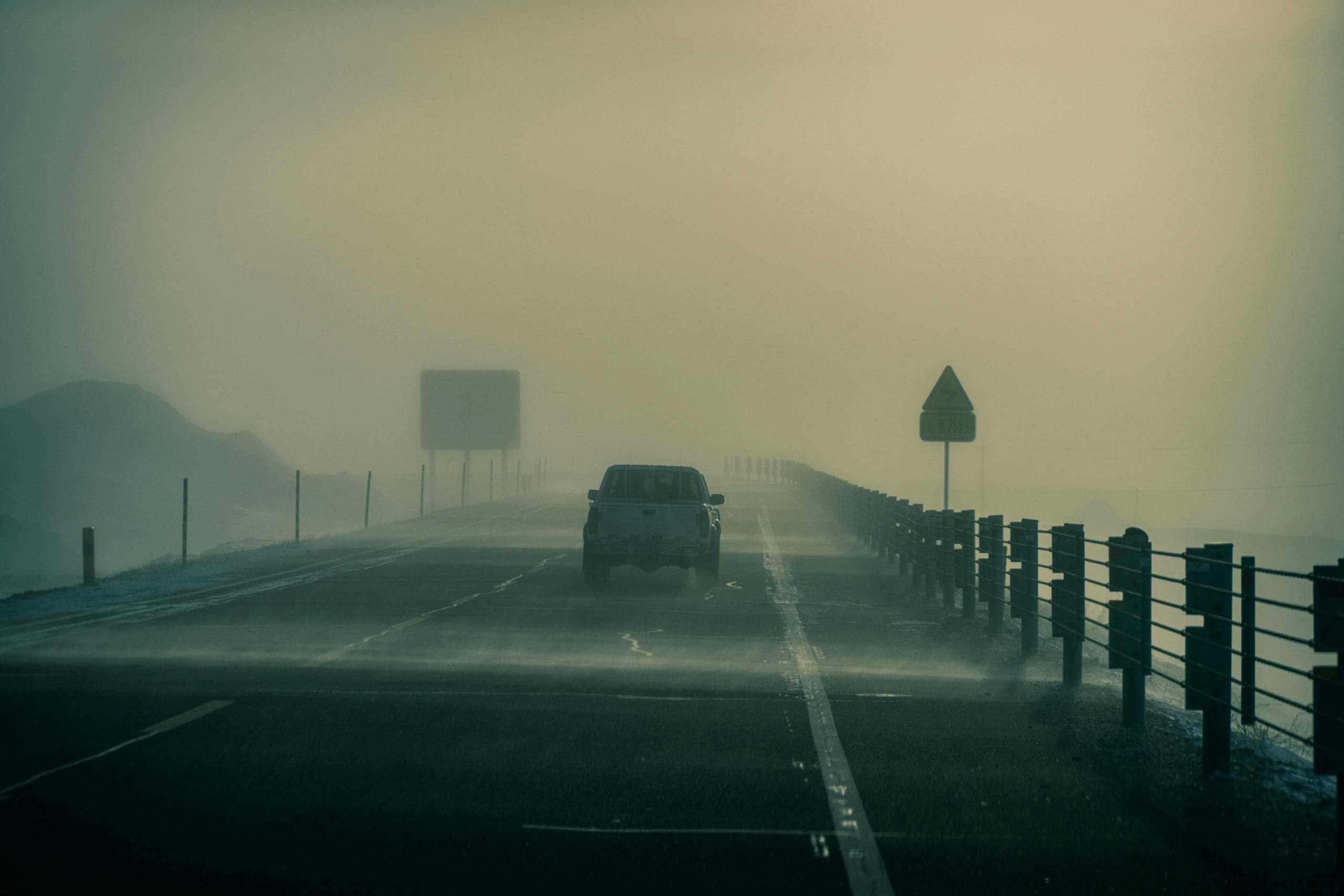
Road shoulders often don’t meet the same quality standards as main lanes, which can lead to extra dangers. Trash bumpy surfaces, or loose gravel can make it risky to stop on the shoulder. When it rains or freezes, shoulders might collect water or ice faster than the main road upping the chances of sliding. Bad sight lines in fog or heavy rain make things even worse, as drivers might not see a stopped car until it’s too late. These outdoor factors turn shoulders into unpredictable and unsafe spots for long stays.
Misuse of Shoulders
Another problem is drivers misusing shoulders as shortcuts or illegal passing lanes. This puts people who have stopped on the shoulder in danger and messes up traffic flow making crashes more likely. In cities, some drivers who can’t wait use shoulders to get around traffic jams, which leads to chaos and unsafe conditions. Police often say that people misusing shoulders plays a part in highway accidents showing why it’s so important to follow traffic rules more .
Conclusion
Highway shoulders might seem safe during emergencies, but they hide many dangers. The tight space, drivers not paying attention, being exposed during car troubles, weather problems, and people using them wrong all make shoulders risky. While they have a key role, you should use shoulders when you need to, and be super careful when you do. Understanding the risks of highway shoulders can help drivers make better choices and cut down on terrible accidents.