
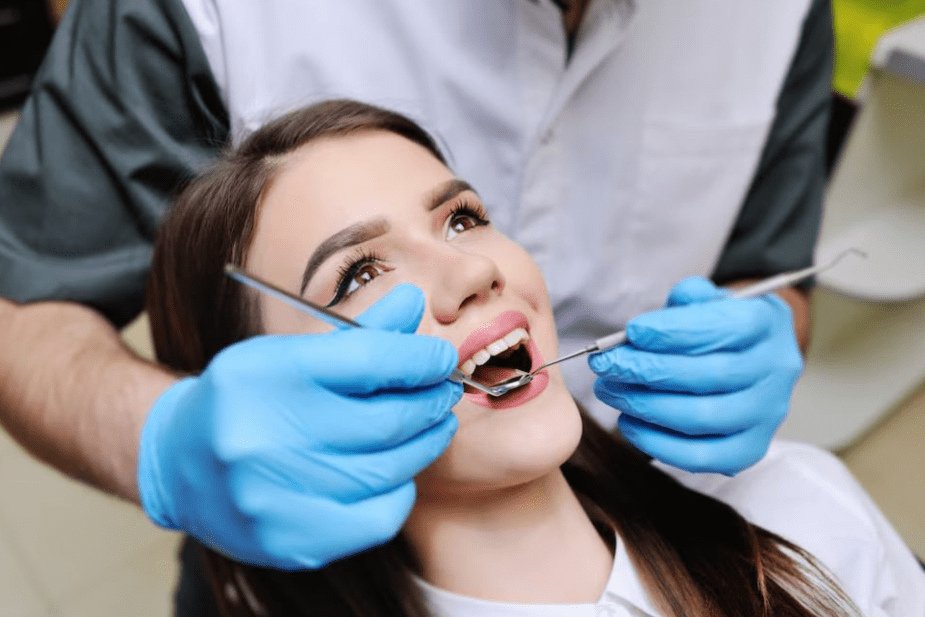
The dentist’s chair has changed dramatically over the past decade. Many Australians still clutch the armrests with white knuckles though. What’s interesting is that the transformation isn’t just about shinier equipment or faster drills. Gentle dental care has fundamentally reimagined what a dental appointment can feel like, and the difference shows up in unexpected ways.
Understanding the Approach
Here’s something most practices won’t tell you upfront. The way your dentist speaks to you matters more than their technical skill in many cases. A practitioner might have impeccable credentials. But if they dismiss your concerns or rush through explanations, you’ll leave feeling unsettled. The real shift happens when dental teams recognise that your previous bad experience wasn’t just in your head. It was real, and it deserves acknowledgement before any work begins.
Reduced Anxiety Levels
Sweaty palms and racing thoughts before appointments aren’t character flaws. Your body remembers that time a dentist told you to just relax whilst drilling without adequate numbing. Progressive practices understand this cellular memory. They’ve stopped using phrases like this won’t hurt because everyone knows that’s rarely true. Instead, they’re honest about what you’ll actually feel. That honesty paradoxically makes everything less frightening.
Advanced Pain Management
The needle remains dentistry’s biggest villain. But gentle dental care practitioners have essentially staged a coup against traditional injection methods. Some now use vibrating devices that confuse your nerve endings. Your brain can’t quite process the prick when that happens. Others apply numbing gel so thoroughly that you genuinely don’t feel the anaesthetic going in. The revelation is straightforward. Most dental pain isn’t inevitable. It’s just been accepted for too long.
Communication Matters
Raise your hand if a dentist has ever lectured you about flossing whilst you sat there unable to respond. That dynamic needs to die. Forward-thinking practitioners have discovered something valuable. Asking what concerns you most about your teeth opens entirely different conversations than asking when you last flossed. People actually want to improve their oral health. They just need partners, not judges. This subtle shift in questioning changes everything about the patient experience.
Family-Friendly Environment
Children possess remarkable honesty detectors. They know when adults are patronising them. They’ll resist accordingly. The best paediatric approaches skip the baby talk and condescending reassurances. Instead, they explain procedures in straightforward terms kids can grasp. Respecting children’s intelligence builds genuine trust. That trust lasts into adulthood. Distracting them from reality might work temporarily, but it doesn’t create lasting comfort with dental visits.
Modern Technology Integration
Technology only matters when it solves actual problems. Digital scanners eliminate those horrible impression trays that made people gag. Laser treatments mean less bleeding and faster healing for gum work. But here’s what manufacturers don’t advertise. Technology fails when practitioners hide behind it. A screen showing your cavity means nothing if nobody explains what you’re looking at. Or why it matters. Gentle dental care means technology serves the conversation. It doesn’t replace it.
Tailored Treatment Plans
Most Australians have heard you need this done immediately when their budget screams otherwise. Ethical practices have started admitting something revolutionary. Not everything requires urgent intervention. Some issues can be monitored. Others can be staged across months. The practitioner who asks about your financial reality demonstrates actual care. They ask about upcoming life events too. Your daughter’s wedding or your planned overseas trip matters before scheduling treatments. That’s clinical competence combined with human decency.
Building Long-Term Relationships
People ghost their dentists for telling reasons. Maybe the hygienist made them feel ashamed about their gum health. Perhaps the receptionist sighed audibly when they called to reschedule. These seemingly minor moments accumulate. Practices that retain patients for decades share a common trait. Their entire team understands that oral health connects to overall wellbeing. To stress levels. To life circumstances. Your missed appointments tell a story, and someone should ask about it.
Conclusion
The rise of gentle dental care across Australia signals something deeper than marketing trends. It acknowledges that past dental trauma is real. That financial constraints matter. That patients deserve honest conversations rather than scripted reassurances. When practices prioritise genuine comfort over efficiency metrics, people actually show up for appointments. They ask questions. They follow through with treatment. Your relationship with your dentist shouldn’t require courage, and increasingly, it doesn’t have to.
