
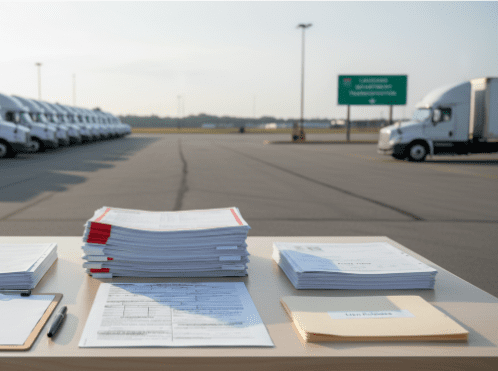
Managing commercial vehicle titles has always been a necessary part of fleet operations, but in recent years it has evolved into a far more complex—and far more critical—responsibility. In Louisiana, businesses that operate fleets of trucks, trailers, vans, and specialty vehicles now face tighter documentation requirements, increased audit scrutiny, and changing electronic lien processes. These shifts are prompting many companies to reevaluate how they approach title management, especially as operational risks rise when paperwork falls behind.
Fleet title management in 2025 is no longer a one-time clerical task; it is an ongoing compliance discipline that can directly impact business continuity, risk exposure, and the speed at which vehicles can be deployed. Recognizing that accurate records and timely updates build confidence, companies see that proactive management reduces operational risks and supports long-term success.
Growing Compliance Pressure in Louisiana
Louisiana’s oversight of commercial vehicles has grown more stringent in recent years, primarily through the Office of Motor Vehicles (OMV) and the adoption of standardized processes for fleet transfers, renewals, and lien releases. Understanding these regulations helps fleet managers feel more in control and confident in maintaining compliance amidst increasing administrative demands.
Many businesses underestimate how quickly compliance issues can escalate. According to Deloitte, 22% of unexpected fleet operating costs stem from documentation and compliance failures. For Louisiana companies with dozens or hundreds of vehicles, even minor paperwork errors can multiply into significant downtime.
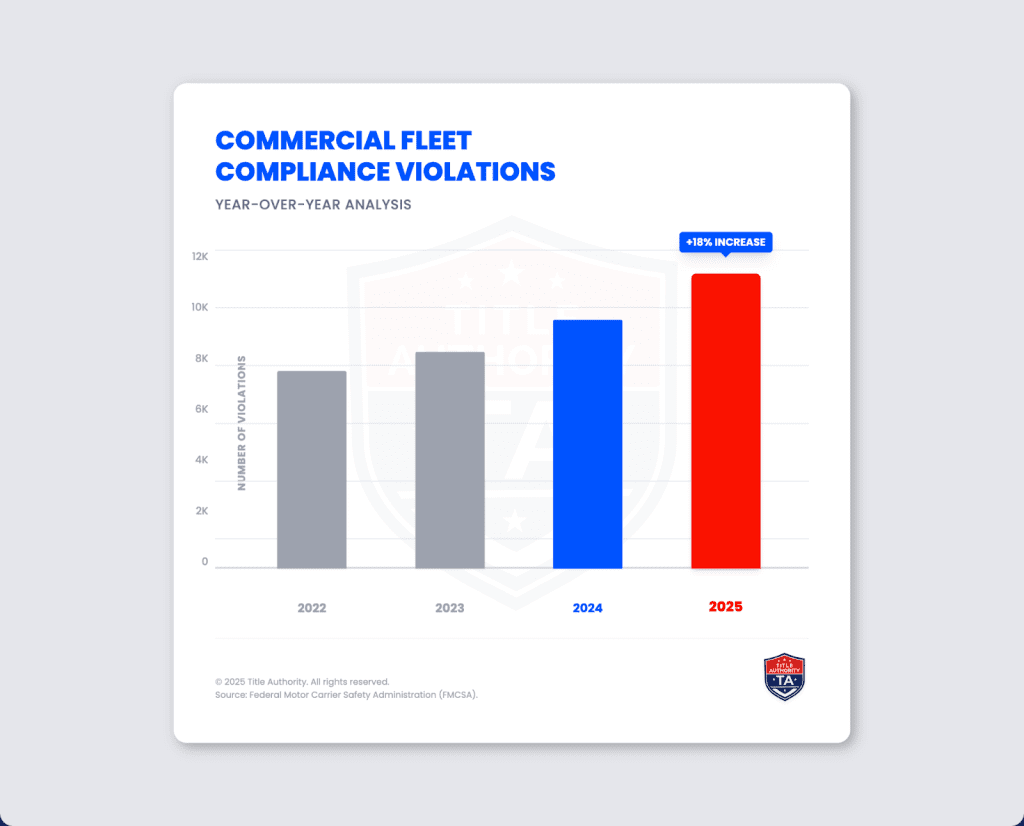
Additionally, federal transportation agencies have noted increased regulatory complexity for commercial fleets nationwide. The Federal Motor Carrier Safety Administration reports that compliance violations for commercial vehicles have risen by 18% year-over-year, reflecting how easily fleets can fall out of alignment with state and federal requirements. For Louisiana businesses balancing OMV rules with broader fleet operations, this trend is especially relevant.
Common Sources of Title Discrepancies
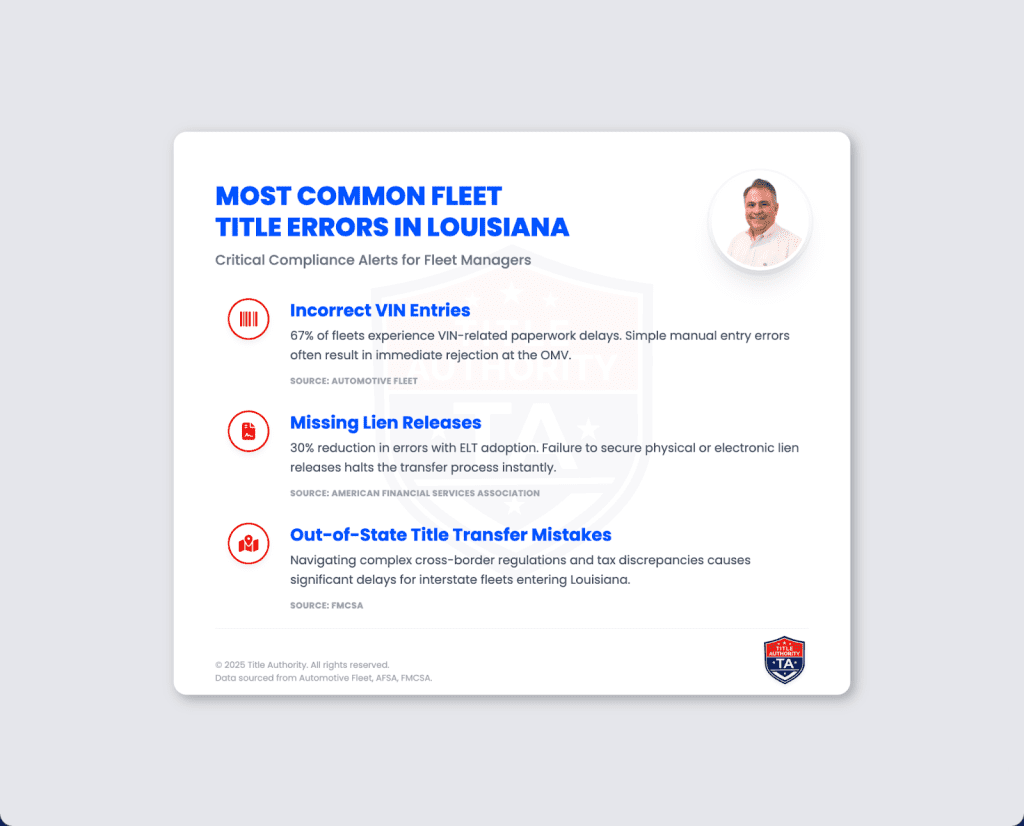
Fleet managers often discover that issues buried within documentation can remain hidden until an audit, sale, renewal, or registration attempt brings them to light. Common sources of fleet title discrepancies include:
- Incorrect VIN recording
- Lien release complications
- Out-of-state transfer errors
- Missing mandated forms (such as DPSMV 1799)
- Delays caused by incomplete supporting documents
- Gaps in commercial vehicle registration cycles
These errors may appear minor at first glance, but they carry real operational consequences. A single incorrect VIN can create delays during a vehicle resale. A missing lien release can prevent a title transfer altogether. Recognizing these risks underscores the importance of diligent recordkeeping to avoid costly disruptions and maintain smooth operations.
For growing fleets, unmanaged titles eventually create a backlog of administrative complications that become harder to resolve over time.
The Operational Impact of Disorganized Fleet Records
When titles are not properly maintained, companies often face direct and indirect costs. For example:
- New purchases cannot be deployed until titles and registrations are complete.
- Resale opportunities fall through due to missing paperwork.
- Vehicles sit idle during compliance disputes.
- Insurance claims may face delays if title ownership is unclear.
- OMV renewals may require additional documentation or in-person visits.
Industry research shows that poor documentation has measurable effects on fleet performance. Automotive Fleet reports that companies lose an average of 5–10 days of deployment time per vehicle when title or registration issues arise. When multiplied across an entire fleet, the financial impact quickly becomes significant.
In response, more Louisiana companies are prioritizing centralized title management to ensure accuracy, reduce delays, and improve compliance consistency.
How Centralized Fleet Title Management Improves Efficiency
Centralized fleet title management offers tangible benefits, such as improved compliance and operational efficiency, helping Louisiana companies reduce risks and streamline workflows.
Implementing centralized recordkeeping directly tackles common discrepancies such as incorrect VINs and missing liens, easing administrative burdens for fleet managers.
- Uniform recordkeeping — Every vehicle follows the same documentation standard, reducing the risk of mismatched information.
- Easier compliance alignment — Louisiana’s OMV requirements and commercial vehicle rules become easier to follow when documentation is maintained consistently.
- Accurate tracking of renewals and deadlines — A structured system prevents vehicles from falling out of compliance.
- Faster centralized management, transfers, and sales — Titles, forms, and lien records are accessible instantly, preventing delays during resale, registration, or transfer processes.
- Reduced business interruptions — Delays from missing paperwork no longer disrupt daily operations.
For companies that operate trucks, trailers, or mixed commercial fleets, these improvements support smoother operations and better long-term planning.
Why Louisiana’s Fleet Growth Makes Documentation More Complex
Louisiana businesses that operate commercial fleets—whether in logistics, construction, industrial services, or regional transportation—are seeing a broader trend: as fleets grow, documentation management grows exponentially more complex.
A fleet of five vehicles may be manageable with spreadsheets and ad hoc processes, but fleets of 20, 50, or 100+ units require dedicated systems. Every additional vehicle increases the number of titles, renewals, liens, registrations, expirations, and documents that must be tracked.
This is why many companies turn to professional solutions, such as Louisiana fleet title management services, to maintain accuracy, reduce administrative friction, and ensure compliance across their entire vehicle inventory.
The Direction of Fleet Title Requirements in 2025 and Beyond
Looking ahead, several factors are shaping how Louisiana companies will manage fleet titles:
- Greater adoption of electronic lien and title (ELT) processes
- Increased digital documentation requirements
- Stricter OMV validation standards
- More audits for businesses with commercial fleets
- Continued growth in multi-state fleet operations
Companies that invest early in structured title management will be better prepared for these developments. Those that wait may face a buildup of legacy documentation issues that become more difficult—and more expensive—to resolve.
Key Takeaways
Fleet title management is no longer a routine administrative task. For Louisiana businesses, it is a critical component of operational reliability and regulatory compliance. As OMV requirements evolve and the complexity of commercial fleet documentation increases, companies that centralize and properly manage their fleet titles will reduce downtime, avoid costly errors, and streamline their overall operations.
By incorporating consistent documentation, standardized workflows, and modernized recordkeeping, Louisiana businesses can position themselves for smoother fleet management and stronger long-term compliance.