
A door that won’t shut fully is one of those small household issues that’s easy to ignore — until it becomes impossible to lock, starts scraping the floor, or lets cold air pour into the room. While it might seem like a minor annoyance at first, a misaligned or sticking door can point to deeper structural or mechanical problems that shouldn’t be left unresolved.
Understanding the most common causes can help homeowners decide whether it’s a quick DIY fix or time to call in a professional.
Movement in the building structure
One of the most common reasons doors stop closing properly is natural movement in the building. Homes expand and contract with temperature changes, and over time, this can shift door frames just enough to cause alignment issues.
In older properties, especially period homes, gradual settlement can slightly twist the frame. In newer builds, timber doors may swell in humid weather and shrink again when conditions dry out. Even a few millimetres of movement is enough to stop a latch from lining up correctly with the strike plate.
Hinge problems and loose fixings
Another frequent culprit is the hinges. Screws can loosen over time, particularly on doors that are used heavily. When this happens, the door may sag on one side, causing it to rub against the frame or fail to meet the latch cleanly.
Sometimes the hinges themselves are worn or bent, especially on external doors that are exposed to moisture and temperature changes. In these cases, tightening screws might help temporarily, but replacing the hinges is often the longer-term solution.
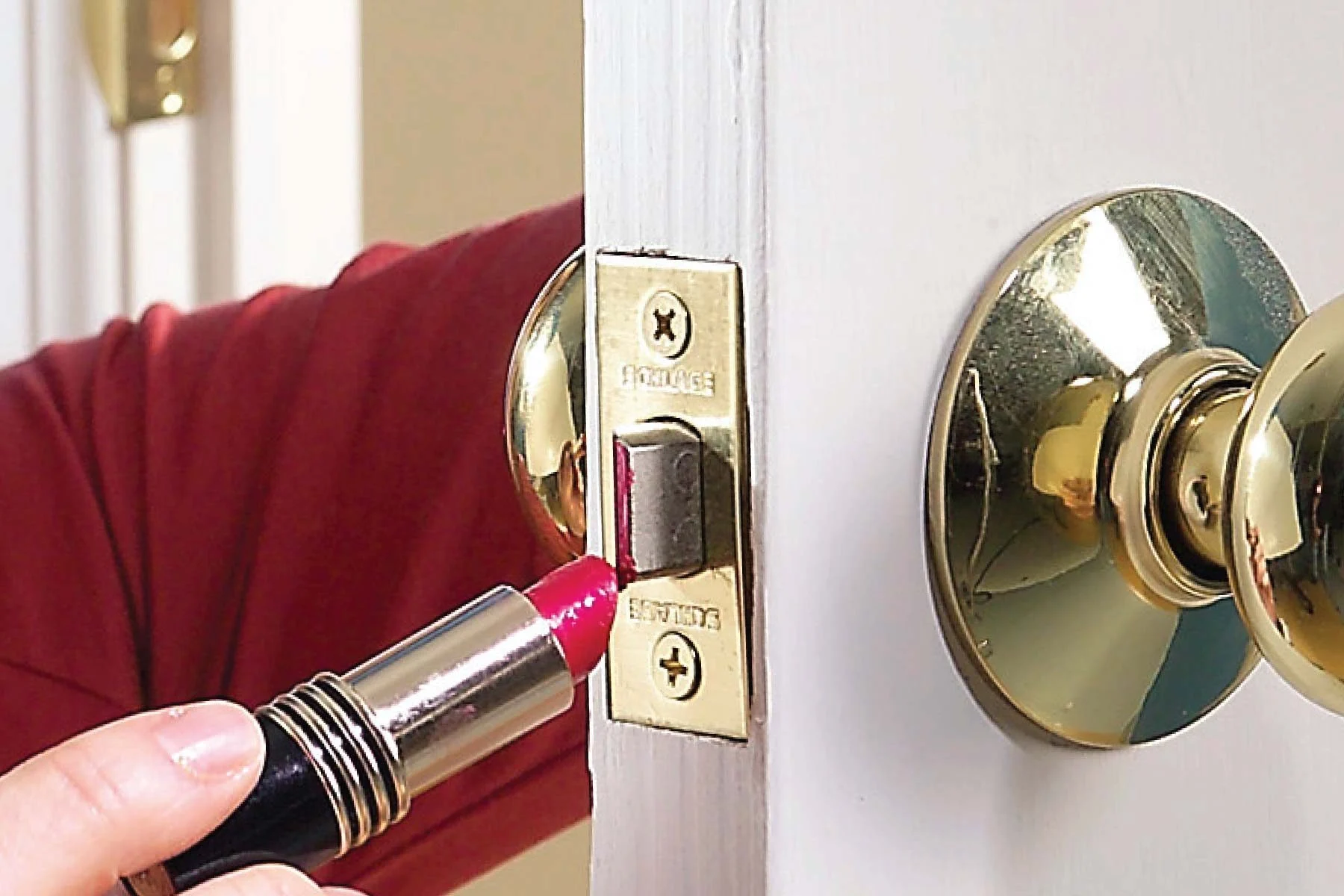
Latch and strike plate misalignment
If the door appears to swing freely but won’t stay shut, the issue is often with the latch mechanism. When the latch doesn’t align with the strike plate, it simply bounces back instead of engaging.
This can happen after a door has been adjusted, repainted, or if the frame has shifted slightly. While adjusting the strike plate is sometimes straightforward, forcing the door shut can damage the latch or the internal lock mechanism, leading to a more expensive repair later.
Swelling, warping, or damaged doors
Wooden doors are particularly sensitive to moisture. Bathrooms, kitchens, and external doors are common problem areas where humidity can cause swelling or warping.
If a door is catching along the edge or top, sanding may offer a short-term fix. However, excessive sanding can weaken the door or expose untreated wood, which may worsen the problem over time. In cases of significant warping, professional adjustment or replacement may be the only reliable option.
Why this isn’t just a nuisance issue
A door that doesn’t shut properly isn’t just inconvenient — it can affect security, energy efficiency, and even fire safety. Internal fire doors, for example, must close fully to perform their function correctly. External doors that don’t latch properly leave properties vulnerable to draughts and unwanted access.
For landlords and property managers, unresolved door issues can also raise compliance and liability concerns, especially in shared buildings or rental properties.
When professional help makes sense
While some alignment issues can be resolved with minor adjustments, many door problems are interconnected. Changing the hinges or latch without addressing the underlying cause can lead to repeat issues or damage to the lock itself.
A professional inspection can help identify whether the problem lies with the frame, the locking mechanism, or the door leaf. For a clear breakdown of common causes and practical fixes, this guide on a door that won’t shut fully explains the issue in detail and when expert help may be needed: https://emergency-locksmiths.co.uk/door-wont-shut-fully/
Addressing the issue early can prevent damage to locks, frames, and doors — saving time, money, and frustration in the long run.
Final thoughts
Doors are precision components, even if they don’t look it. When something is slightly out of alignment, the effects quickly become noticeable. Paying attention to early warning signs — sticking, scraping, or bouncing latches — can help homeowners avoid bigger repairs later.
Whether it’s a simple adjustment or a more complex structural issue, dealing with a door that won’t close properly is always worth taking seriously.