


Games that achieve global popularity rarely succeed by accident, because their rise usually reflects a combination of design discipline, cultural timing, and player psychology. Having worked closely with digital platforms and observed player behaviour across regions, I have seen how certain titles travel effortlessly across borders while others remain local. Global popularity often begins with a simple idea that scales well, rather than a complex system that only experts can appreciate. The most successful games speak a shared language of challenge, reward, and social connection that feels intuitive to players everywhere. Understanding why this happens requires looking beyond sales numbers and focusing on how games fit into everyday life.
Accessible Core Mechanics and Immediate Understanding
One defining trait of globally popular games is that their core mechanics can be understood within minutes, even by players with little gaming background. When a game teaches itself through play, it removes friction and allows curiosity to drive engagement instead of instructions. I have tested titles across age groups and noticed that games with intuitive controls spread faster through families and social circles. Accessibility does not mean simplicity in depth, because many successful games layer complexity over time while keeping the entry point clear. This balance allows players from different cultures to share the same experience without feeling excluded.
Cultural Neutrality and Universal Themes
Games that resonate globally often rely on themes that feel familiar regardless of cultural background, such as competition, exploration, or cooperation. Avoiding heavy reliance on local humour or region specific references helps a game feel welcoming to a broader audience. Through analysing international player feedback, I have seen how abstract worlds or stylised characters reduce cultural barriers. Universal themes allow players to project their own meanings onto the experience, which strengthens emotional attachment. This adaptability explains why some games thrive equally in Europe, Asia, and emerging markets.
Social Interaction and Shared Experiences
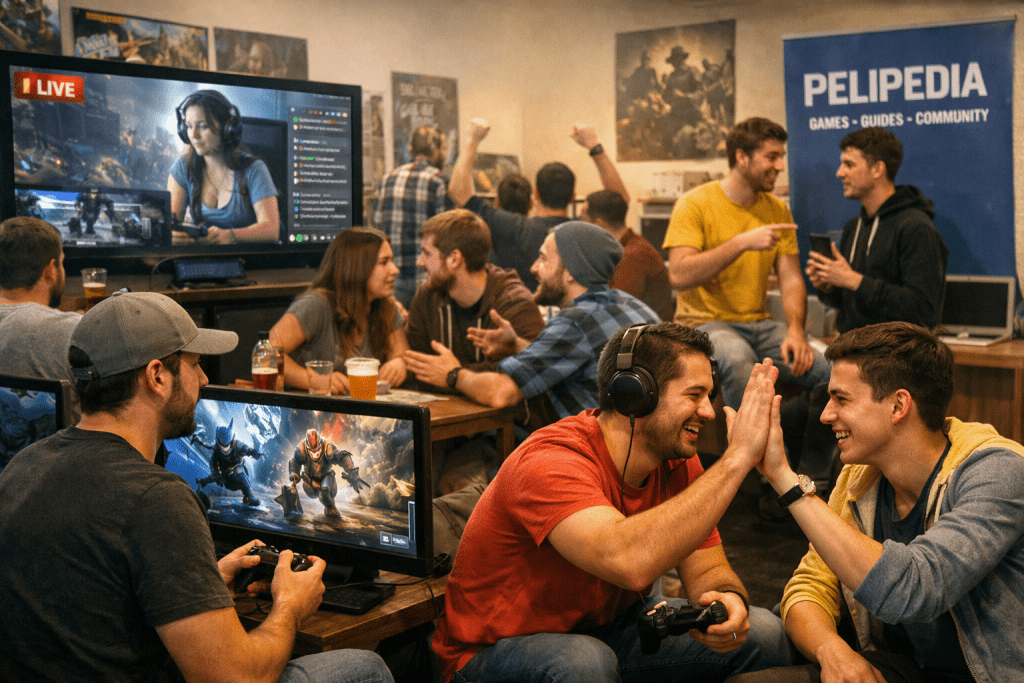
Social features play a major role in pushing games beyond regional popularity into global recognition. Games that encourage cooperation or friendly rivalry become conversation starters rather than isolated activities. From my experience observing community growth, titles that integrate social play create self sustaining networks of players. These networks often extend beyond the game itself through streaming, forums, and content platforms like pelipedia where shared discovery reinforces interest. Social interaction turns games into living spaces that evolve with their communities.
Platform Availability and Technical Reach
Global popularity is strongly influenced by where and how a game can be played. Titles that run smoothly on a wide range of devices gain access to markets with varying hardware standards. I have seen promising games struggle simply because technical requirements limited who could participate. Cross platform availability allows friends on different systems to play together, reinforcing social bonds. Technical reach ensures that interest generated in one region can quickly spread to others without barriers.
Consistent Updates and Long Term Engagement
Sustained global success depends on how well developers support a game after release. Players invest more time in games that feel alive and responsive to feedback. In my own platform analysis work, games with regular updates show stronger retention across international markets. Updates signal respect for the player base and keep the experience aligned with changing expectations. Long term engagement transforms a popular release into a lasting global presence.
Clear Identity and Recognisable Style
Globally popular games tend to have a clear visual and mechanical identity that makes them instantly recognisable. Strong style helps a game stand out in crowded digital marketplaces where attention is limited. I have noticed that players often remember colours, characters, or sound cues long after gameplay details fade. A consistent identity also supports marketing and community creation across regions. Recognition builds trust, which lowers the barrier for new players to try the game.
Influence of Streaming and Content Creation

The rise of streaming has reshaped how games gain global attention. Games that are enjoyable to watch often grow faster than those that are only enjoyable to play. From analysing viewing trends, I have seen how streamers act as cultural translators, introducing games to audiences who might not discover them otherwise. Platforms and resources like Pelipedia.fi support this discovery by aggregating information and gameplay context. Visibility through content creation accelerates global reach by turning gameplay into shared entertainment.
Fair Monetisation and Player Trust
Monetisation models influence whether a game is embraced or rejected by global audiences. Players are more willing to commit time when they feel spending is optional rather than coercive. In my experience reviewing player feedback, games with transparent monetisation earn stronger loyalty across regions. Trust grows when progress feels achievable without constant payments. This trust is essential for sustaining popularity in diverse economic environments.
Community Governance and Player Behaviour
Healthy communities help games remain appealing to new players worldwide. Developers who actively manage player behaviour create safer and more inclusive environments. I have observed that games with clear rules and moderation tools experience less regional fragmentation. Positive community culture encourages word of mouth growth, which remains one of the strongest drivers of global popularity. Shared standards allow players from different backgrounds to coexist comfortably.
Timing, Trends, and Market Readiness
Finally, global popularity often depends on timing as much as quality. Games that align with broader technological or social trends benefit from existing momentum. From market observation, I have seen how releases timed with new hardware adoption or cultural shifts gain rapid traction. Being early or late can determine whether a game becomes a global reference or a niche success. Market readiness ensures that a well designed game finds an audience prepared to embrace it.