
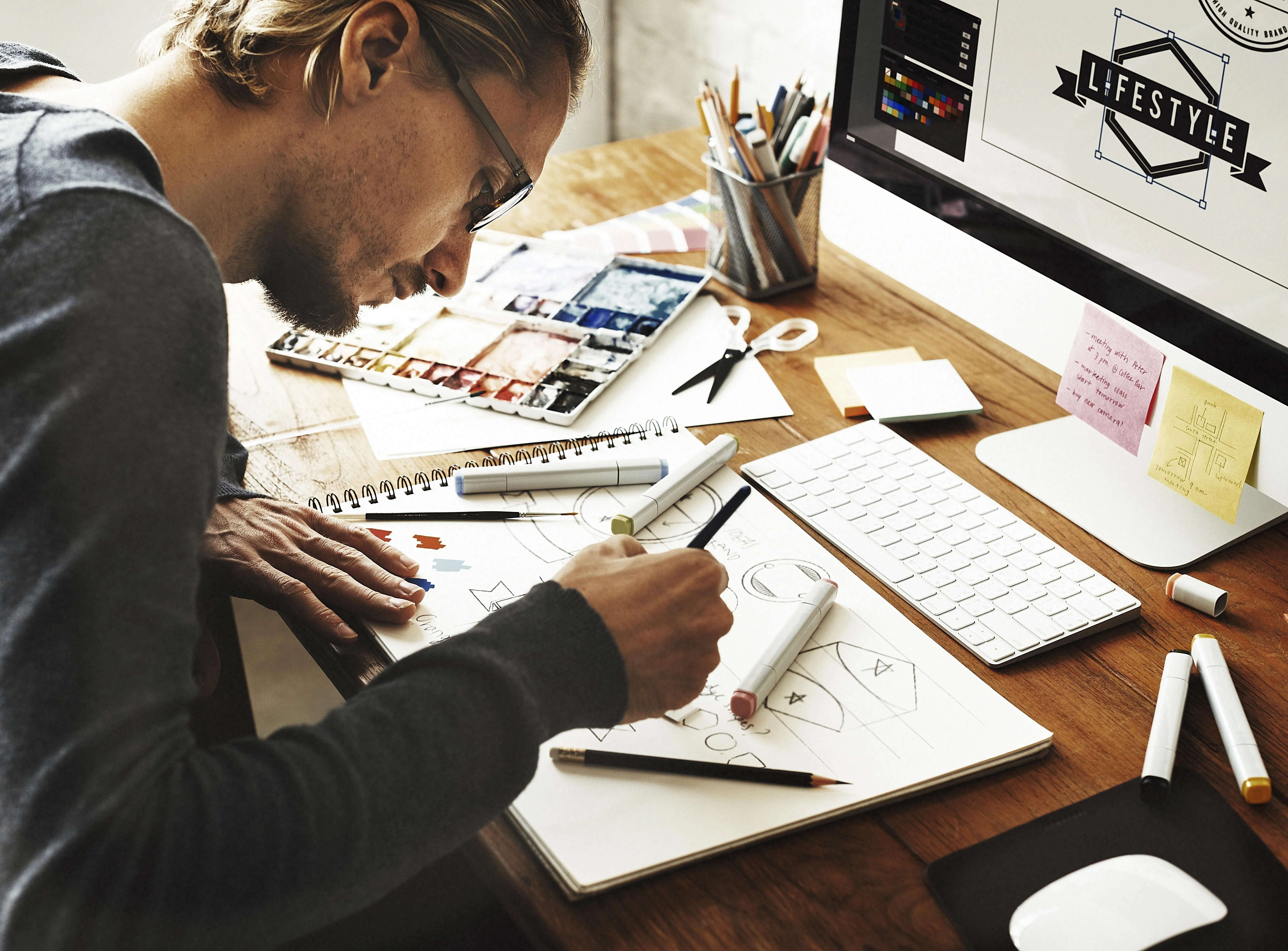
When people think of major creative hubs in the UK, London usually monopolizes the conversation. Manchester and Bristol often follow close behind, cited for their grit and independent spirit. However, a significant shift is occurring west of the Severn Bridge. Cardiff, the capital of Wales, is quietly but confidently establishing itself as a formidable contender in the creative industries.
The city has undergone a massive transformation over the last two decades. Once defined by its coal exports and industrial docks, it is now recognized for its media production, tech startups, and a booming visual arts scene. For businesses and observers alike, the surge in high-quality graphic design in Cardiff is impossible to ignore. It is no longer just a service industry supporting local shops; it is a creative ecosystem exporting world-class branding and digital innovation across the UK and beyond.
The evolution of Cardiff’s visual identity mirrors the city’s own regeneration. It is a story of merging heritage with hyper-modernity, and it offers a fascinating case study for how mid-sized cities can punch above their weight in the design world.
The Regeneration Effect: From Coal to Canvas
To understand the current state of design in the city, you have to look at the physical changes that paved the way. The redevelopment of Cardiff Bay was the catalyst. It turned industrial wasteland into a cultural destination, bringing with it the Wales Millennium Centre and the Senedd. But more importantly for the creative sector, it brought the BBC’s Roath Lock studios.
This influx of media production created a gravitational pull for creative talent. Where television goes, visual support follows. Post-production houses, animation studios, and digital agencies sprang up to service the media giants. This created a fertile ground for graphic design professionals who weren’t just interested in print, but in motion graphics, UI/UX, and broadcast identity.
The result is a design community that is incredibly versatile. A graphic design agency in Cardiff today is just as likely to be working on a title sequence for a global drama series as it is on a rebrand for a local coffee roaster. This cross-pollination of skills—where cinematic storytelling meets corporate branding—gives Cardiff designers a distinct edge over more traditional, print-focused markets.
The Bilingual Design Challenge
One of the most unique aspects of graphic design in Cardiff is the necessity of bilingualism. In Wales, the Welsh language has equal legal status with English. For public sector bodies and many private businesses, this means every piece of visual communication must accommodate two languages.
To an outsider, this might seem like a mere administrative constraint. To a designer, it is a complex typographic puzzle that requires a high level of skill to solve elegantly. How do you balance two languages on a billboard without it looking cluttered? How do you ensure visual hierarchy when the text volume doubles?
This constraint has actually sharpened the skills of the local industry. Cardiff designers have become masters of layout and typography out of necessity. They have learned to embrace minimalism and structured grids to accommodate dual-language content without sacrificing aesthetic appeal. This expertise in handling dense, complex information translates well to other sectors, such as financial tech and medical data visualization, making Cardiff agencies highly attractive to data-heavy clients across the UK.
Breaking the London Bubble
For decades, the assumption was that if you wanted “premium” design work, you went to London. If you were a talented graduate from the University of South Wales or Cardiff Met, you bought a one-way ticket to Paddington Station. That narrative has collapsed.
Remote work technologies and a shifting economic landscape have leveled the playing field. Businesses across the UK are realizing that overheads in London are astronomical, and those costs are passed down to clients. Cardiff offers a sweet spot: a capital city infrastructure with a lower cost of living than London or Bristol.
This economic reality allows Cardiff agencies to be more agile. They can take risks on bolder ideas because they aren’t paralyzed by the need to cover Shoreditch rents. Consequently, we are seeing a wave of challenger brands—startups looking to disrupt their industries—flocking to Welsh agencies. They want the hunger and the fresh perspective that comes from a city that feels it still has something to prove.
The Aesthetic of the Arcades
If Cardiff has a “look,” it is perhaps best found in its Victorian arcades. These historic shopping corridors are home to dozens of independent businesses, from skate shops to artisan bakeries. Unlike the homogenized high streets found elsewhere, the arcades are a riot of independent branding.
This indie spirit bleeds into the wider design culture. There is a move away from the sleek, corporate “Big Tech” aesthetic that dominated the 2010s. Instead, Cardiff’s output often features hand-drawn elements, textured illustrations, and bold, slightly off-kilter typography. It feels human and tactile.
This “Arcade Aesthetic” is becoming increasingly popular with national brands that want to appear authentic and grounded. They are looking for that independent feel, even if they are large corporations. Cardiff designers, who live and breathe this indie culture daily, are perfectly positioned to deliver that authenticity.
A Hub for Sustainable Design
Wales has positioned itself as a global leader in sustainability and future generations’ well-being, codified in the “Well-being of Future Generations Act.” This political stance has trickled down into the commercial creative sector.
There is a noticeable trend among Cardiff design houses toward sustainable practices. This goes beyond just printing on recycled paper. It involves digital sustainability—designing websites that are lightweight and require less energy to host. It involves “conscious branding,” where strategists help clients define their ethical purpose before a single logo is sketched.
As UK businesses face increasing pressure to demonstrate their ESG (Environmental, Social, and Governance) credentials, the graphic design sector in Cardiff is ready. They aren’t just slapping green leaves on logos; they are building brands that communicate sustainability from the core.
The Future is West
Graphic design Cardiff thrives in a dynamic, creative landscape where hotspots shift every decade, and right now, Cardiff pulses with energy. The city’s unique design culture emerges from a blend of media-savvy technical skills, typographic precision shaped by bilingualism, and a gritty, independent spirit that sets its creative work apart.
For companies in the UK looking for a fresh visual identity, looking West is no longer a gamble—it’s a strategic advantage. The talent pool is deep, the ideas are fresh, and the city is just getting started.