

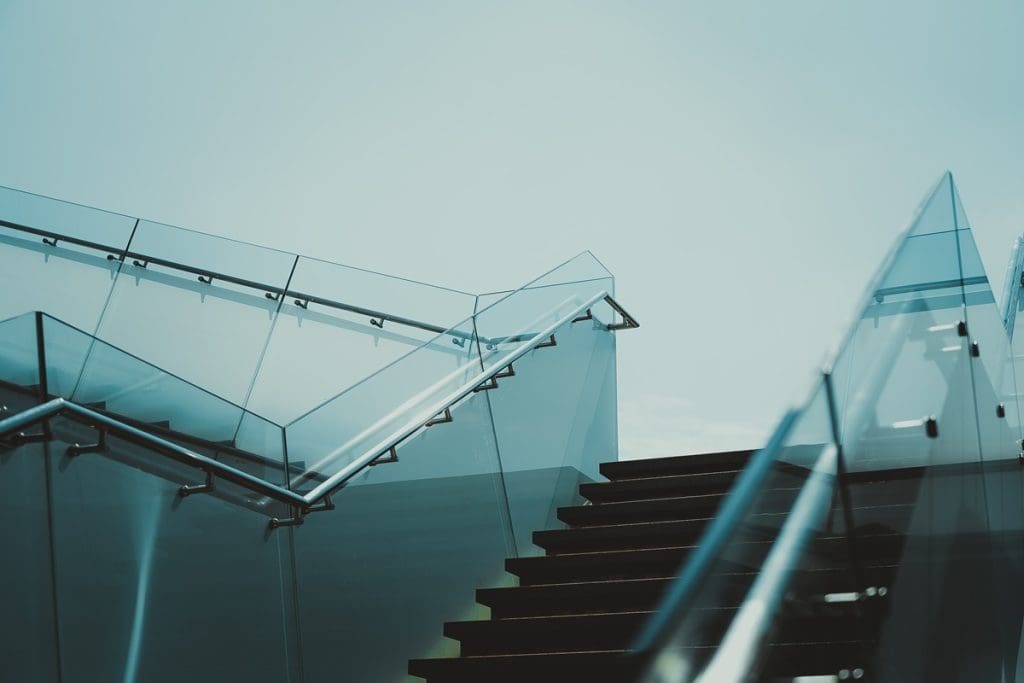
Architecture in 2026 is defined by a delicate equilibrium—balancing aesthetic minimalism with rugged functionality, and expansive openness with uncompromising safety. In this high-stakes design landscape, Frameless Glass Railings have transitioned from a luxury trend to an essential architectural element.
From sprawling residential estates to sleek corporate high-rises, architects are increasingly specifying frameless systems to create spaces that feel both limitless and secure. But what is driving this global shift toward glass?
In this guide, we analyze the technical superiority, aesthetic benefits, and practical value that make these systems the preferred choice for modern builds.
The Evolution of Transparency in Modern Design
Over the last decade, the architectural “open-concept” movement has moved beyond floor plans and into structural boundaries. There is a growing rejection of heavy, opaque materials in favor of transparent elements that invite the outdoors in.
Frameless glass systems satisfy this demand by removing visual clutter while providing a robust physical barrier. This “invisible” protection allows interior and exterior environments to merge seamlessly. Industry data suggests that integrating high-end glass features can boost a property’s perceived market value by 5–10%, particularly in the luxury real estate sector.
Defining the Frameless System
Unlike traditional balustrades that rely on bulky metal posts, frameless systems utilize minimal hardware to secure the panels. Using specialized mounting methods like base channels, heavy-duty spigots, or standoffs, the glass appears to float.
For those looking to understand the fundamentals of balustrade architecture, this guide on railing system components provides an excellent technical baseline.
5 Key Reasons Architects Specify Frameless Glass
1. Unobstructed Panoramic Views
The primary allure is the visual freedom. Whether it’s a coastal horizon or an urban skyline, frameless glass ensures the view remains the focal point. This is a critical requirement for:
- Luxury penthouses and rooftop lounges.
- Infinity pool enclosures.
- Oceanfront decking.
2. Optimization of Natural Light
Natural light is a core pillar of sustainable design. By allowing light to permeate deeper into a building’s core, glass railings help reduce the need for artificial lighting, which lowers energy consumption and improves the well-being of occupants.
3. Minimalist and Timeless Aesthetic
Following the “less is more” doctrine, architects use frameless glass railings for modern design to achieve clean, sharp lines. Without vertical posts breaking the rhythm of the space, the design feels sophisticated and remains relevant regardless of changing decor trends.
4. Engineering and Structural Integrity
There is a common misconception that “frameless” means “fragile.” On the contrary, these systems are engineered for extreme durability. They typically employ:
- Tempered Glass: Heat-treated to be five times stronger than standard glass.
- Laminated Safety Glass: Two layers of glass bonded with an interlayer that holds the panel together even if it sustains a heavy impact.
For more on the science of glass strength, see our report on the durability of tempered frameless systems.
5. Material Versatility
These systems are highly adaptable, performing equally well in high-traffic commercial foyers as they do in private residential staircases.
Technical Comparison: Frameless vs. Traditional
| Feature | Frameless Glass Railings | Traditional Metal/Wood Railings |
| Visual Impact | 100% Transparency | Obstructed View |
| Style | Ultra-Modern / Minimalist | Traditional / Industrial |
| Maintenance | Low (Wipe clean) | Moderate (Painting/Staining) |
| Longevity | High (Corrosion resistant) | Moderate (Susceptible to rust/rot) |
Professional Installation Considerations
While the final result looks effortless, the engineering behind it is precise. Architects must account for:
- Substrate Strength: The floor or fascia must be structurally capable of handling the concentrated “moment load” (leverage) of the glass panels.
- Building Code Compliance: Systems must meet local regulations regarding height (usually 36–42 inches) and impact resistance.
- Hardware Grade: For outdoor or coastal projects, Grade 316 Stainless Steel is mandatory to prevent “tea staining” or corrosion.
Sustainability and Environmental Impact
In the era of “Green Building,” glass is a hero material. It is 100% recyclable and contributes to LEED certification by maximizing daylighting strategies. Furthermore, the longevity of stainless steel and glass means fewer replacements over the building’s lifecycle compared to wood.
Final Thoughts
Frameless glass railings represent the pinnacle of contemporary safety and style. They offer architects a way to provide security without sacrificing the visual integrity of their work. If you are looking to elevate your next project with a system that combines strength with transparency, contact our consulting team for technical specifications and custom quotes.