
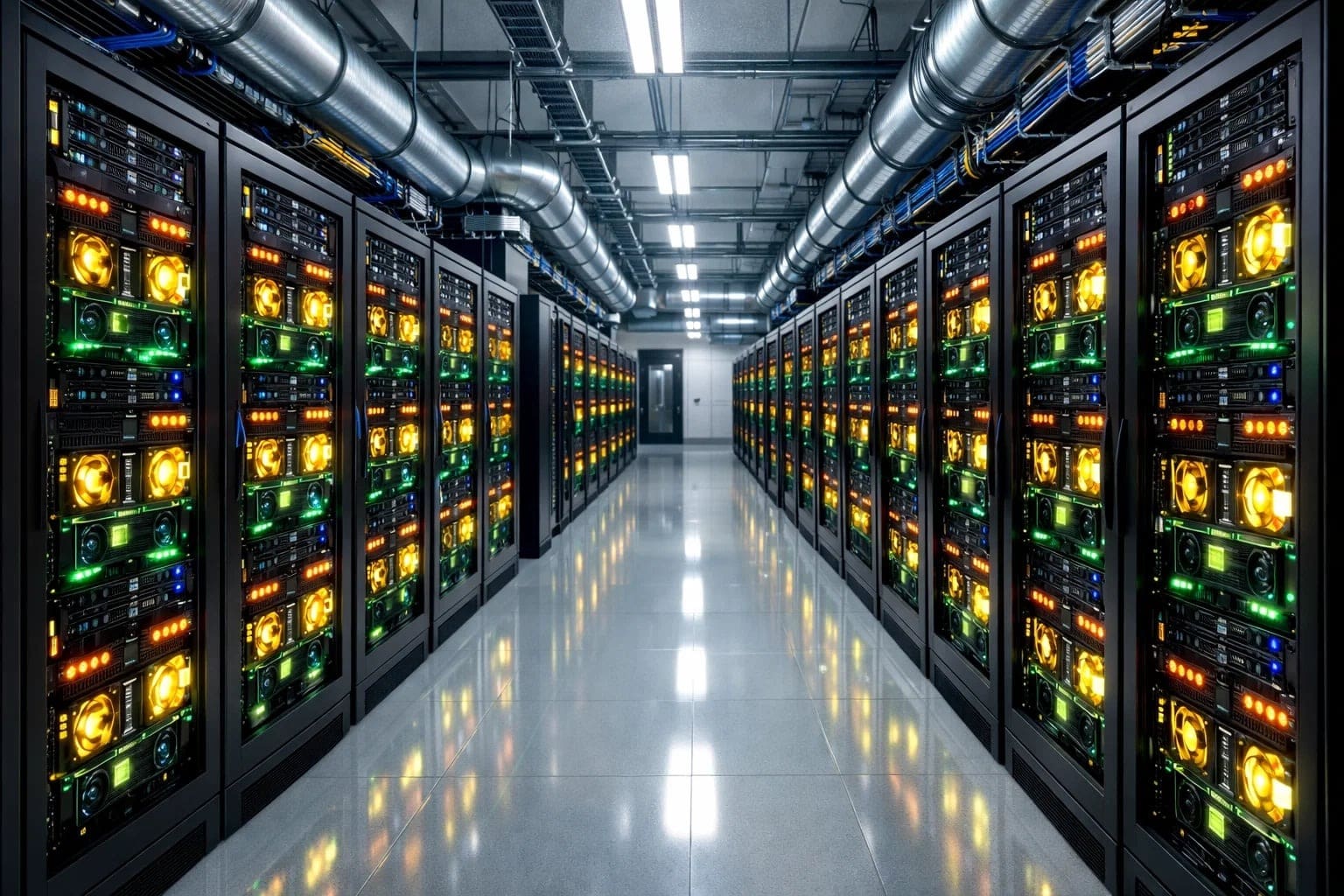
Artificial Intelligence is reshaping industries at a rapid pace, from autonomous vehicles to large-scale data analytics. Behind every intelligent algorithm and real-time AI model lies an immense computing infrastructure powered by GPUs. These AI and GPU workloads demand extreme processing power, lightning-fast data throughput, and energy efficiency – all of which place significant strain on traditional data center setups. To keep up with this evolving landscape, organizations are now turning to high-density server racks as the backbone of their infrastructure.
Designing these racks properly is not just a technical challenge but a strategic necessity. In this article, we’ll explore why AI and GPU workloads require high-density server racks, how to design them effectively, and what factors to consider for long-term scalability and performance.
The Growing Demands of AI and GPU Workloads
AI and GPU-driven applications, such as machine learning training, deep learning inference, and real-time analytics, have transformed the way modern data centers are built. GPUs are designed to perform thousands of simultaneous computations, enabling AI models to process large datasets efficiently. However, this capability comes at a cost – power consumption and heat generation skyrocket as GPUs scale in clusters.
A single high-performance GPU server can draw between 1.5 and 2 kilowatts of power. When deployed in groups, dozens or even hundreds of these servers can push the limits of what traditional racks and cooling systems can handle. This power density has driven the need for high-density server racks that can support both the weight and heat output of AI and GPU workloads.
Why Density Matters
High-density server racks allow data centers to maximize computing capacity within limited space. This approach ensures efficient energy distribution, streamlined cable management, and optimized cooling. In other words, instead of expanding the physical footprint of a data center, organizations can scale vertically – packing more computing performance per square foot.
For AI training clusters that rely on fast interconnects like NVIDIA NVLink or Infiniband, keeping GPUs physically close also reduces latency, which directly improves training efficiency.
The Key Benefits of High-Density Server Racks for AI and GPU Workloads
1. Improved Cooling Efficiency
One of the biggest challenges in hosting AI and GPU workloads is managing heat. GPUs operate at extremely high temperatures, and without adequate cooling, performance degradation and component failure can occur. High-density server racks are engineered to handle these thermal loads through advanced cooling mechanisms such as liquid cooling, rear-door heat exchangers, and cold aisle containment.
Liquid cooling, for example, brings coolant directly to the components, allowing more efficient heat removal than traditional air systems. This method not only extends hardware lifespan but also reduces energy costs associated with cooling.
2. Optimal Power Distribution
Power delivery must be both stable and scalable. High-density racks use intelligent Power Distribution Units (PDUs) to monitor and balance electrical loads across servers. This ensures that AI and GPU workloads receive consistent power even during peak usage, minimizing downtime and protecting critical infrastructure from overloads.
3. Space Optimization
In urban data centers where real estate is expensive, space efficiency is a major advantage. High-density racks can host multiple GPU servers within the same footprint as traditional racks, effectively doubling or tripling compute capacity without expanding the facility.
4. Enhanced Scalability
AI and GPU workloads evolve rapidly. As models become larger and more complex, organizations must be able to scale their infrastructure seamlessly. High-density server racks are designed with modularity in mind, enabling easy integration of new nodes or GPUs as requirements grow. This flexibility ensures long-term investment protection.
Designing High-Density Server Racks the Right Way
Designing a rack for AI and GPU workloads requires more than just stacking hardware. It involves a holistic understanding of power, cooling, airflow, and weight management. Below are key factors to consider when planning an efficient and reliable design.
1. Power and Thermal Planning
Each GPU server can consume significant energy, so start by calculating total rack power requirements. For example, if a rack houses 10 GPU servers consuming 2 kW each, the total load reaches 20 kW. Proper electrical provisioning, redundancy (N+1 or 2N), and monitoring systems are essential.
Thermal planning must also include airflow management. Hot and cold aisle containment systems prevent heat recirculation, ensuring that cool air reaches the GPUs efficiently. Some facilities implement rear-door cooling units to extract heat before it enters the room.
2. Cooling Strategies for AI and GPU Workloads
Traditional air cooling methods often fall short when dealing with high-power GPU clusters. Instead, data centers are shifting toward hybrid solutions combining air and liquid cooling. Direct-to-chip liquid cooling can reduce the need for massive HVAC systems, cutting operational costs while maintaining ideal operating temperatures.
In environments where air cooling is still used, ensure that racks are spaced adequately to maintain airflow. High-density racks often require perforated doors and strategically placed vent panels to improve cooling efficiency.
3. Cable and Weight Management
GPU servers typically require high-bandwidth interconnects such as fiber optic or high-speed Ethernet cables. Poor cable organization can obstruct airflow and make maintenance difficult. Implement vertical and horizontal cable management systems to keep connections clean and accessible.
Weight is another consideration – fully populated high-density racks can exceed 1,500 pounds. Always verify that the data center floor and mounting hardware can support this load.
4. Monitoring and Automation
Modern high-density racks incorporate smart sensors that monitor temperature, humidity, and power consumption in real-time. This data helps administrators make proactive adjustments to maintain optimal conditions. Automation tools can also dynamically allocate workloads or adjust cooling systems based on GPU activity levels.
Common Mistakes to Avoid When Deploying High-Density Racks
While the benefits are clear, improper design can lead to costly mistakes. Some common pitfalls include:
- Underestimating power needs: AI and GPU workloads consume more energy than typical compute servers. Always plan for future expansion.
- Ignoring cooling redundancy: A single cooling failure can impact multiple servers in a high-density setup.
- Neglecting cable organization: Tangled or unplanned cables restrict airflow and increase maintenance difficulty.
- Failing to plan for weight: Heavy GPU servers can damage rack structures or raised floors if not properly supported.
Addressing these challenges from the start will save time, money, and operational headaches down the road.
Best Practices for Implementing High-Density Racks for AI and GPU Workloads
Prioritize Scalability and Flexibility
When designing your infrastructure, think long-term. Choose modular racks that can adapt to evolving technologies such as newer GPU generations or higher wattage CPUs. This ensures your system remains future-ready.
Focus on Efficiency and Sustainability
Energy efficiency is a top concern for data centers. Implement eco-friendly cooling systems and power management tools that align with sustainability goals. Efficient designs reduce your carbon footprint while cutting operational costs.
Partner with Reliable Hardware Providers
Selecting quality hardware and accessories can make or break your setup. Trusted brands like Dell, HPE, and Supermicro offer server solutions built specifically for AI and GPU workloads. If you’re expanding your infrastructure, it’s a smart investment to buy Server Racks from reputable suppliers that provide robust designs, warranty support, and customization options tailored to your data center needs.
The Future of AI and GPU Infrastructure
As AI models continue to evolve, their demand for faster processing and greater parallelism will only increase. The rise of edge computing, autonomous systems, and generative AI applications means that infrastructure must be both powerful and adaptable. High-density server racks will remain central to this evolution, enabling data centers to meet performance needs while staying efficient and sustainable.
Emerging technologies such as immersion cooling and AI-driven data center management will push efficiency even further, ensuring that the next generation of GPU clusters operates at peak performance without compromising reliability.
Conclusion
The future of computing is being shaped by the incredible capabilities of AI and GPU workloads. However, with great power comes great responsibility – especially when it comes to designing infrastructure that can support these resource-hungry systems. High-density server racks are not just an option; they’re a necessity for organizations looking to scale efficiently and maintain performance.
By focusing on smart design principles – power planning, effective cooling, structured cabling, and ongoing monitoring – you can build a resilient data center capable of handling today’s AI challenges and tomorrow’s innovations. Investing in the right infrastructure today ensures your organization is ready for the next wave of technological transformation.