

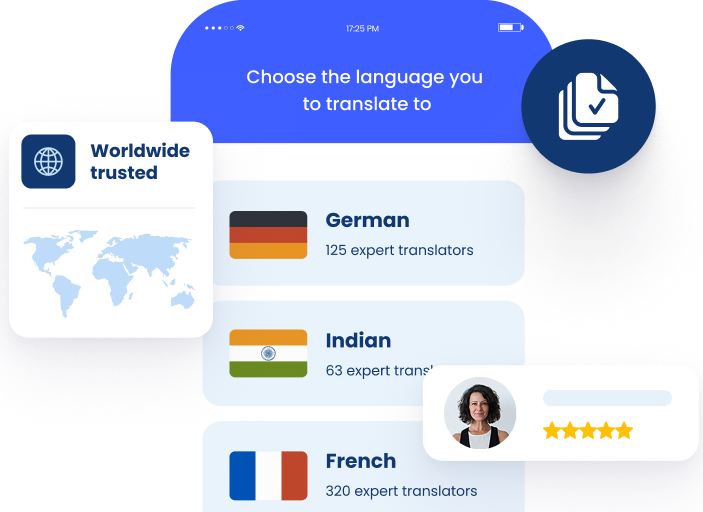
As globalisation accelerates across industries, accurate and culturally sensitive translation has become a cornerstone of both the healthcare and technology sectors. From hospital systems and clinical research to software localisation and legal documentation, the ability to convey precise meaning in multiple languages is critical, not just for clarity, but for safety, compliance, and user trust.
With the rise of AI-powered tools and translation engines, many organisations are asking: when is it appropriate to use automated translation, and when is certified translation necessary?
The High Stakes of Translation in Health and Tech
In healthcare, even a minor error in translation can have serious consequences. Misinterpreted patient histories, treatment instructions, or clinical research protocols could compromise care quality or violate regulatory standards. Similarly, in the tech world, poorly translated interfaces or user guides can alienate global users, damage a brand’s credibility, or result in legal challenges if terms are misrepresented.
The issue isn’t just about language — it’s about context, accuracy, and liability.
Certified vs. Automated Translation: What’s the Difference?
When dealing with sensitive materials such as patient records or clinical trial documentation, The Language Doctors explain why understanding the difference between certified and automated translation is crucial for ensuring compliance and maintaining accuracy.
- Certified translation is completed by a professional linguist and accompanied by a signed statement affirming the document’s accuracy. It’s often required by government agencies, courts, and regulatory bodies.
- Automated translation, on the other hand, uses machine algorithms to render content from one language to another. While fast and cost-effective for informal use, it lacks the nuance and reliability needed for high-stakes documentation.
The Language Doctors note that many organisations mistakenly assume AI tools are “good enough” — until a mistake results in delays, rejections, or worse, legal implications.
When Should You Use Certified Translation?
Certified translation is essential in scenarios where accuracy, legal standing, or regulatory compliance is non-negotiable. These include:
- Medical records for international patients
- Clinical trial documentation for FDA or EMA approval
- Informed consent forms
- Legal contracts or immigration documents
- Technical manuals for regulated industries
In each of these cases, a certified translation not only ensures linguistic precision but also protects organisations from liability or non-compliance.
When Is Automated Translation Acceptable?
Automated translation can be a useful tool for:
- Internal communication
- Early-stage content drafts
- Customer support queries in multiple languages
- Quick summaries or social media captions
That said, even in these contexts, human review is recommended — especially when brand tone, accuracy, or cultural appropriateness matter.
Hybrid Approaches: The Future of Translation?
Many companies are now adopting hybrid solutions — using automated translation to handle large volumes of low-risk content and certified services for high-priority materials. This model helps balance cost and quality without sacrificing compliance or clarity.
The key is to develop a translation strategy based on content type, risk level, and end use.
Final Thoughts
In today’s interconnected world, the cost of poor translation is simply too high — particularly in sectors like healthcare and technology where the stakes are personal, legal, and global.
By understanding the difference between certified and automated translation, and working with professional providers like The Language Doctors, organisations can ensure that their message isn’t just translated — it’s trusted.