
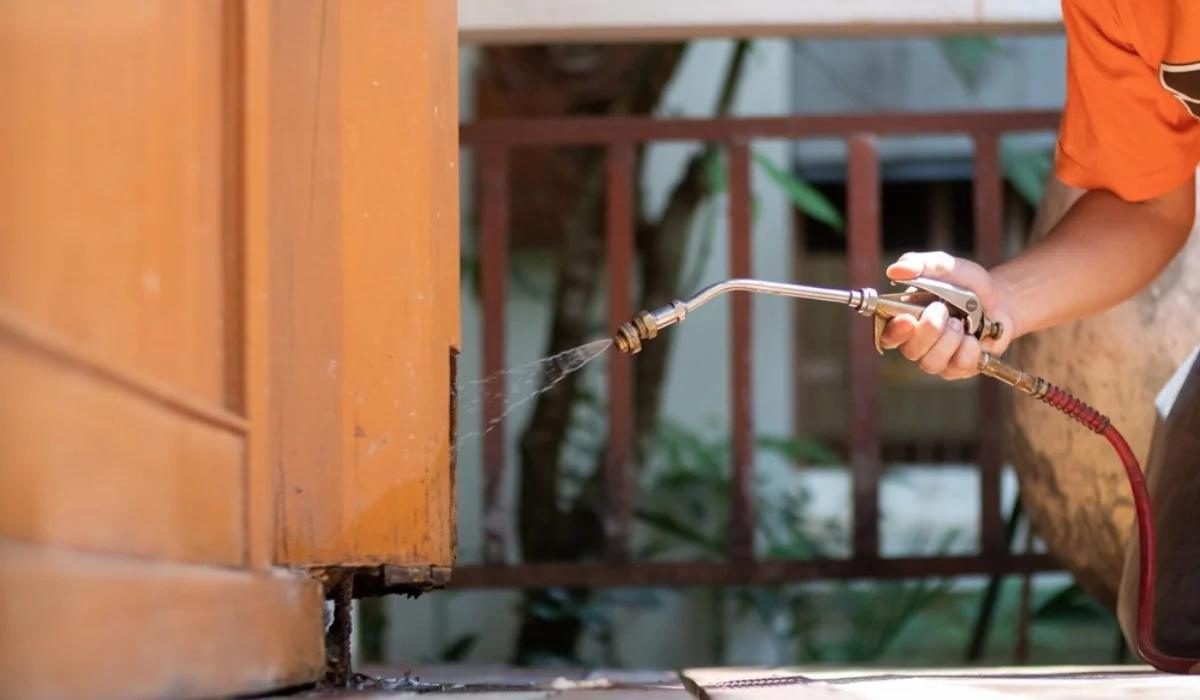
It’s a common belief that pests only exist in dirty or poorly maintained homes. So when insects or rodents appear in a clean, well-kept space, it often feels confusing, and sometimes even embarrassing. But the reality is simple: cleanliness alone does not prevent pest infestations. Many homeowners are surprised to learn that pests are not just attracted to mess. They are driven by basic survival needs: shelter, moisture, warmth, and access. Even the most spotless homes can provide these conditions in hidden ways. This is why relying solely on cleaning is not enough. In many cases, professional pest control Melbourne is required to identify and resolve the deeper causes of infestation.
Clean Home vs Pest Reality
A clean home can reduce obvious attractants like food scraps and clutter, but it cannot eliminate the risk of pests. Pests are opportunistic. If they find a way inside and the environment supports their survival, they will stay, regardless of how clean the space appears. Even minimal resources are enough. A small water leak, a dark storage area, or a tiny crack in a wall can sustain pest activity for long periods. This is why people often notice pests in homes that are otherwise spotless. The issue is not hygiene, it’s access and conditions. Understanding this shift in perspective is important. Pest problems are rarely about how clean a home looks; they are about what is happening behind the scenes.
How Pests Enter Clean Homes
One of the biggest misconceptions is that pests “appear” inside a home. In reality, they always enter from outside or are carried in. Even well-maintained homes develop small gaps over time. Materials expand and contract, seals weaken, and tiny openings form around doors, windows, and utility lines. These gaps are more than enough for pests to enter. Some insects need only a hairline crack, while rodents can squeeze through openings as small as a coin. Common entry points include: ⦁ Cracks in walls or foundations ⦁ Gaps around pipes, vents, and cables ⦁ Worn door seals and window frames ⦁ Roof voids and subfloor openings Pests can also be brought inside unintentionally. Grocery bags, cardboard boxes, luggage, and second-hand furniture are all common carriers. This means even a perfectly clean home can experience an infestation simply because pests found a way in.
Hidden Attractants Most People Miss
While visible cleanliness matters, hidden conditions inside a home often play a much larger role in attracting pests. Moisture is one of the most important factors. Leaking pipes, damp cupboards, and condensation create ideal environments for pests such as cockroaches, silverfish, and ants. Even a slow drip under a sink can provide enough water for pests to survive indefinitely. Wall cavities and enclosed spaces are another overlooked factor. These areas are rarely inspected, yet they provide warmth, darkness, and protection, perfect conditions for nesting. Other hidden attractants include: ⦁ Residue behind appliances ⦁ Damp areas in bathrooms and laundries ⦁ Poor ventilation leading to humidity ⦁ Organic material in storage spaces Cleaning surfaces does not address these deeper issues. As long as these conditions exist, pests will continue to thrive.
Common Pests Found in Clean Homes
Many of the most common household pests are frequently found in clean homes. Cockroaches are a prime example. They often hide behind appliances, inside cabinets, and near plumbing where moisture is present. Ants are another common issue. They enter through tiny cracks and follow scent trails in search of food or water, even if only small amounts are available. Rodents such as mice and rats are also highly adaptable. They are not deterred by cleanliness and can enter homes in search of warmth and shelter. Bed bugs are perhaps the clearest example that cleanliness is not a factor. They are typically introduced through travel, furniture, or clothing and can infest even the most well-maintained homes. These examples highlight an important point: pests are not a sign of poor hygiene. They are a sign of access and favourable conditions.
Why DIY Prevention Is Not Enough
Basic prevention methods, such as cleaning, sealing food, and reducing clutter, are important, but they are often not enough to eliminate an infestation. The main limitation of DIY approaches is that they focus on visible areas. Most pest activity occurs in hidden spaces such as wall cavities, roof voids, and subfloors. Even when entry points are sealed, it is easy to miss small gaps or secondary access routes. In addition, many pests reproduce quickly and remain hidden until the population grows significantly. By the time they are noticed, the infestation may already be established. Cleaning can also temporarily disturb pests, making them more visible without actually removing them. This is why infestations often persist despite regular maintenance.
The Role of Structural and Environmental Factors
Structural design plays a major role in pest activity. Older homes, in particular, are more vulnerable due to natural wear and movement. Over time, small cracks develop, and materials shift, creating new entry points. Homes with subfloors, roof cavities, or attached garages also provide more opportunities for pests to settle. Environmental factors are equally important. Seasonal changes can drive pests indoors. During colder months, they seek warmth and shelter. During hot weather, they look for cooler, shaded environments. Outdoor conditions also influence indoor activity. Overgrown vegetation, poor drainage, and stored materials near the home can create pathways for pests to enter. These factors exist independently of cleanliness, which is why even well-maintained homes are affected.
How Professional Pest Control Addresses the Real Issue
Effective pest management goes beyond surface-level cleaning. A professional approach focuses on identifying and addressing the root causes of infestation. This typically includes: ⦁ Inspecting the property for entry points ⦁ Identifying hidden nesting areas ⦁ Assessing moisture and environmental conditions ⦁ Applying targeted treatments in high-risk zones Rather than simply removing visible pests, this approach aims to break the infestation cycle. Professionals also provide guidance on long-term prevention, helping homeowners reduce the conditions that attract pests in the first place. This is why professional pest control is often necessary, especially when infestations persist despite regular cleaning.
Conclusion
A clean home is important, but it is not a guarantee against pests. Pest infestations are driven by access, shelter, moisture, and environmental conditions, not just hygiene. Even the most well-maintained homes can provide what pests need to survive. Understanding this helps remove the stigma often associated with pest problems. It also highlights the importance of looking beyond surface-level cleanliness. Addressing structural gaps, hidden attractants, and environmental factors is essential for long-term prevention. When these issues are properly managed, pest problems can be controlled effectively regardless of how clean a home appears.
FAQs
1. Can pests live in a clean home?
Yes. Pests are attracted to shelter, moisture, and entry points, not just dirt or clutter.
2. What attracts pests if there is no food around?
Moisture, warmth, and hidden spaces such as wall cavities can support pest activity even without visible food sources.
3. How do pests get into clean homes?
They enter through cracks, gaps, vents, and openings, or are carried in through items like boxes and furniture.
4. Why do I still see pests after cleaning?
Cleaning may expose pests that were already hiding rather than eliminating them completely.
5. Are certain homes more prone to pests?
Yes. Older homes or properties with structural gaps, moisture issues, or poor ventilation are more vulnerable.
6. When should I consider professional pest control?
If pests keep returning despite cleaning and basic prevention, it’s time to address underlying causes with professional treatment.