

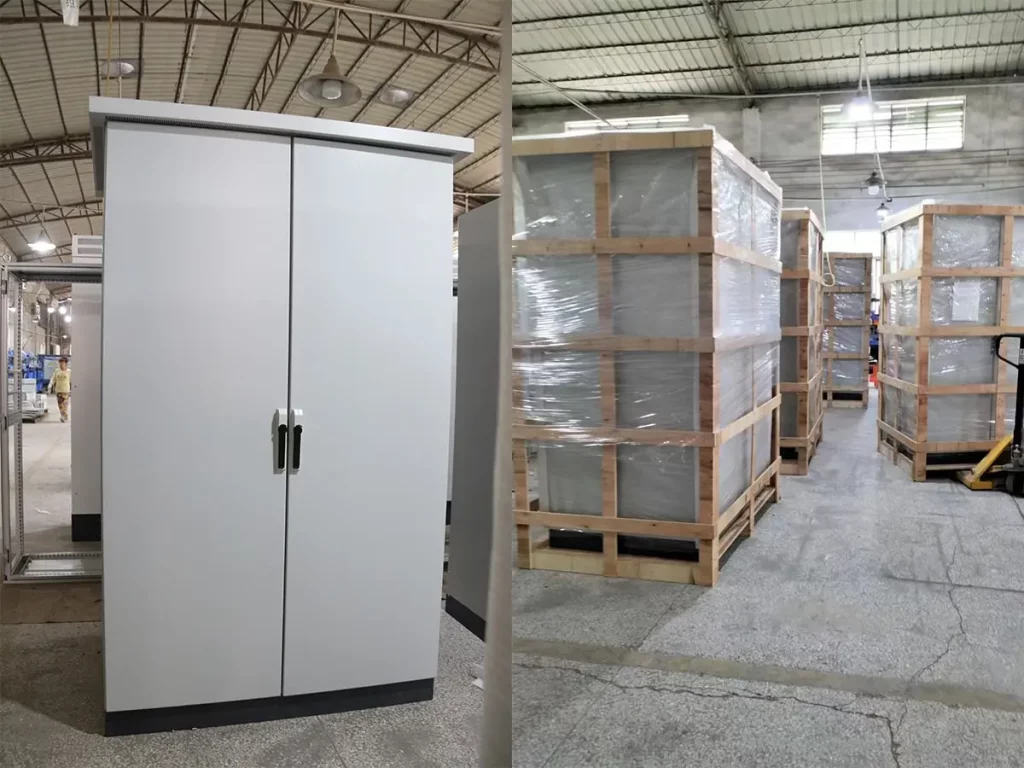
In modern electrical and industrial systems, outdoor installations are becoming increasingly common. From telecommunications sites and renewable energy arrays to remote monitoring stations and backup power systems, outdoor environments demand equipment that can withstand weather extremes, dust, corrosion, temperature fluctuations, and electrical load stresses. Two indispensable components in rugged outdoor power infrastructure are the battery cabinet and the power distribution cabinet — both designed to protect vital electrical assets and ensure continuous operation.
In this article, we’ll explore what these cabinets are, why they matter, and how selecting the right solutions can help improve system performance and longevity.
What Is a Battery Cabinet?
A battery cabinet is a purpose-built enclosure designed to house and protect batteries — especially in outdoor or industrial environments. These cabinets create a secure, environmentally protected space for batteries used in backup power systems, renewable energy storage, telecommunication support, and critical power applications.
Battery cabinets are engineered to meet stringent safety and environmental standards. They protect battery systems from moisture, dust, UV exposure, and impact, while also supporting proper ventilation and thermal management — essential for maintaining battery health and preventing performance degradation.
Key Benefits of Battery Cabinets
Battery cabinets serve several vital functions in outdoor power systems:
1. Environmental Protection
Outdoor batteries are vulnerable to water, dust, and corrosion — all of which can compromise performance or cause failures. A battery cabinet provides a sealed and rugged enclosure that keeps harmful elements out.
2. Temperature and Ventilation Control
Batteries can generate heat during charge and discharge cycles. Excessive temperature can shorten battery life or introduce safety risks. Battery cabinets help with airflow management and can be fitted with cooling options to maintain optimal operating temperatures.
3. Safety and Compliance
Batteries contain chemicals and electrical energy that require careful handling. A dedicated battery cabinet is designed according to safety standards to reduce risks associated with leakage, short circuits, or accidental contact.
4. Organized Installation
These cabinets provide structured space for mounting battery blocks, cabling, fuses, and connectors. This organized setup makes maintenance easier and improves system reliability overall.
5. Enhanced Security
Many outdoor battery cabinets include lockable doors and tamper-resistant hardware to protect valuable equipment from unauthorized access or theft — especially important for remote or unattended installations.
What Is a Power Distribution Cabinet?
A power distribution cabinet is a centralized unit that manages the delivery of electrical power from one or more sources to multiple loads or subsystems. It houses switches, circuit breakers, bus bars, protective relays, and other power management devices that control and protect the flow of electricity.
Although this link highlights a wall-mounted cabinet often used in base station battery and power setups, it also fulfills many functions of power distribution in outdoor environments — combining robust protection with organized power delivery architecture.
Why Power Distribution Cabinets Are Critical
Power distribution cabinets play a central role in electrical systems for several reasons:
1. Centralized Power Management
They serve as the nerve center for electrical distribution, ensuring power is routed safely and efficiently to equipment and subsystems. This centralization simplifies monitoring and protects against overloads.
2. Safety and Protection
Distribution cabinets include circuit breakers and protective devices that shut down power in the event of faults, surges, or short circuits. This protects both the equipment and the people working with or near the system.
3. Scalability
As systems grow, additional circuits and components can be added inside the cabinet. This makes scaling easier for expanding electrical networks without redesigning the entire enclosure.
4. Environmental Defense
Outdoor-rated power distribution cabinets are engineered with weatherproof seals and corrosion-resistant materials, protecting internal components from moisture, dust, heat, and other environmental hazards.
How Battery Cabinets and Power Distribution Cabinets Work Together
In comprehensive outdoor power systems, the battery cabinet and power distribution cabinet often function side by side:
- Battery Cabinet: Houses the energy storage units — whether lead-acid, lithium-ion, or other battery types — providing backup energy for when primary power fails or load demand increases.
- Power Distribution Cabinet: Takes input from the main power source (grid, generator, solar array) and distributes it safely to loads, with integrated protection and monitoring.
Together, these enclosures create a resilient system that supports continuous power delivery, protects against environmental and electrical risks, and simplifies maintenance and expansion.
For example, in a remote telecom site:
- A battery cabinet stores backup power to keep systems online during grid outages.
- A nearby power distribution cabinet manages how energy flows from the grid and battery to radios, switches, and other equipment — ensuring balanced load and reliable uptime.
Choosing the Right Cabinets for Your Project
When selecting a battery cabinet and power distribution cabinet, consider these key factors:
Environmental Ratings
Choose cabinets with appropriate IP or NEMA protection levels for your outdoor environment (e.g., rain, dust, heat).
Material and Durability
Powder-coated steel or aluminum options provide excellent corrosion resistance and structural strength.
Size and Capacity
Ensure the cabinets can accommodate your current equipment as well as future expansions.
Thermal Management
Proper ventilation or cooling strategies are vital, particularly for battery systems.
Installation Flexibility
Determine whether the cabinets need wall, pole, or free-standing mounting and choose accordingly.
Conclusion
A battery cabinet and power distribution cabinet are foundational elements of any outdoor electrical system — providing protection, organization, and reliability in challenging environments. Whether you’re building telecom infrastructure, renewable energy projects, or backup power systems, investing in the right enclosures will enhance performance and extend equipment life.