
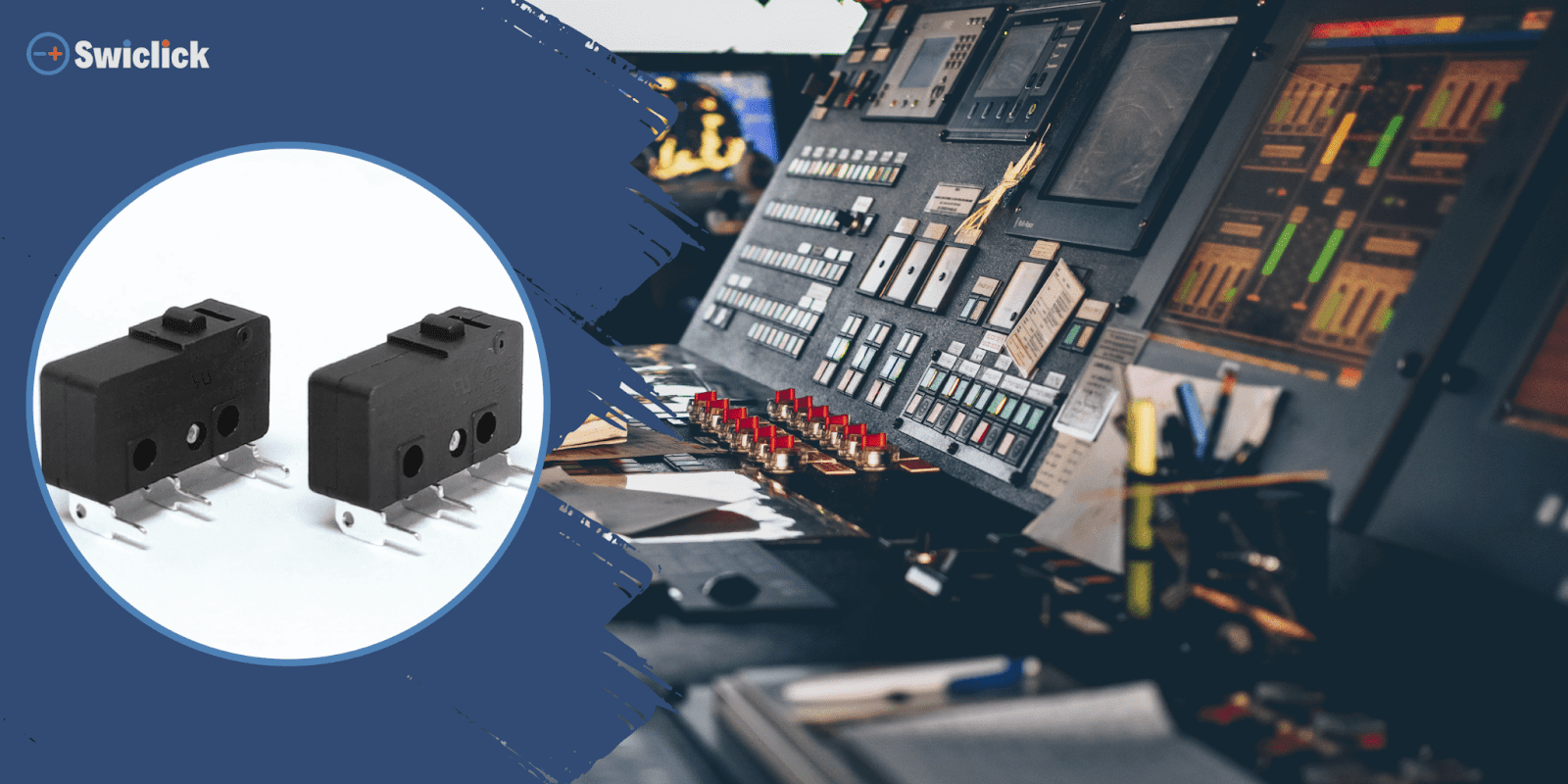
In many machines and devices we encounter each day, a micro limit switch works quietly inside. It is a small electromechanical component that responds when a part moves into a specific position. When a moving surface contacts its actuator, the switch changes state and sends a signal. That action helps systems know where a part has reached or whether it has moved too far. Because this signal is clear and repeatable, micro limit switches have become a common choice in many fields.
Everyday Devices and Home Systems
In household appliances and devices, micro limit switches are everywhere. They detect whether lids and doors are open or closed in washing machines, microwaves, heaters, and other equipment. In automatic doors they help confirm the position of moving panels, preventing motors from driving past their intended range.
In printers and office equipment, micro limit switches help machines understand where paper or internal components are. If a paper jam occurs or a cover is open, the switch’s signal lets the machine adjust or stop.
These uses are not always obvious, because the switches are often tucked out of sight. Yet their role in everyday systems is consistent and practical.
Industrial and Automation Applications
Factory floors and industrial settings also depend on micro limit switches. They mark end points in conveyor systems and packaging equipment. Before a robot arm moves into a next phase of production, a limit switch can confirm that a part has arrived at the right place. That simple confirmation helps prevent missteps and protects equipment from unnecessary force or wear.
In automated manufacturing, micro limit switches act as position sensors for moving parts. Their compact size is often a key reason they are chosen where space is limited and movements are precise.
Vehicles and Transportation
Micro limit switches have roles in vehicles as well. Though not always described under that name, similar small switches can track door closures and seat positions. In some systems they help control lighting or safety features when a component is open or closed.
Elevators and lifts often use limit switches to register floor positions and ensure that cabins begin and end travel where they should. Because of their mechanical clarity, these switches give a signal that electronic controllers can interpret without ambiguity.
Robotics, Machines, and Precision Equipment
In robotics and automation equipment, micro limit switches define travel limits. On a 3D printer or machine tool, they mark the boundaries of motion and help the system find a home position before a cycle begins. Small errors in movement in these applications can lead to defects or machine stress. A switch that reliably marks a limit simplifies coordination between moving parts.
In injection molding and similar processes, micro limit switches sit in tight spaces near mechanical elements. They detect whether moving plates or parts are in their expected positions, helping to keep cycles stable and repeatable.
Other Areas of Use
Beyond these settings, micro limit switches also appear in security systems, HVAC equipment, and even in some medical machinery. In each case they serve the same essential function: detecting position or motion and providing a dependable signal that a controller can act upon.
Their small size, long life, and repeatable action make them practical in systems where space is at a premium and precise movement matters.
Conclusion
Micro limit switches are not very large in size, but their use is quite widespread. These switches assist machines and devices in understanding the position of moving parts, whether a door is open, or if a sequence of motion is completed. Micro limit switches are used in various appliances, industrial automation, robotic systems, and transport equipment. These switches are a simple yet effective means of position feedback.