
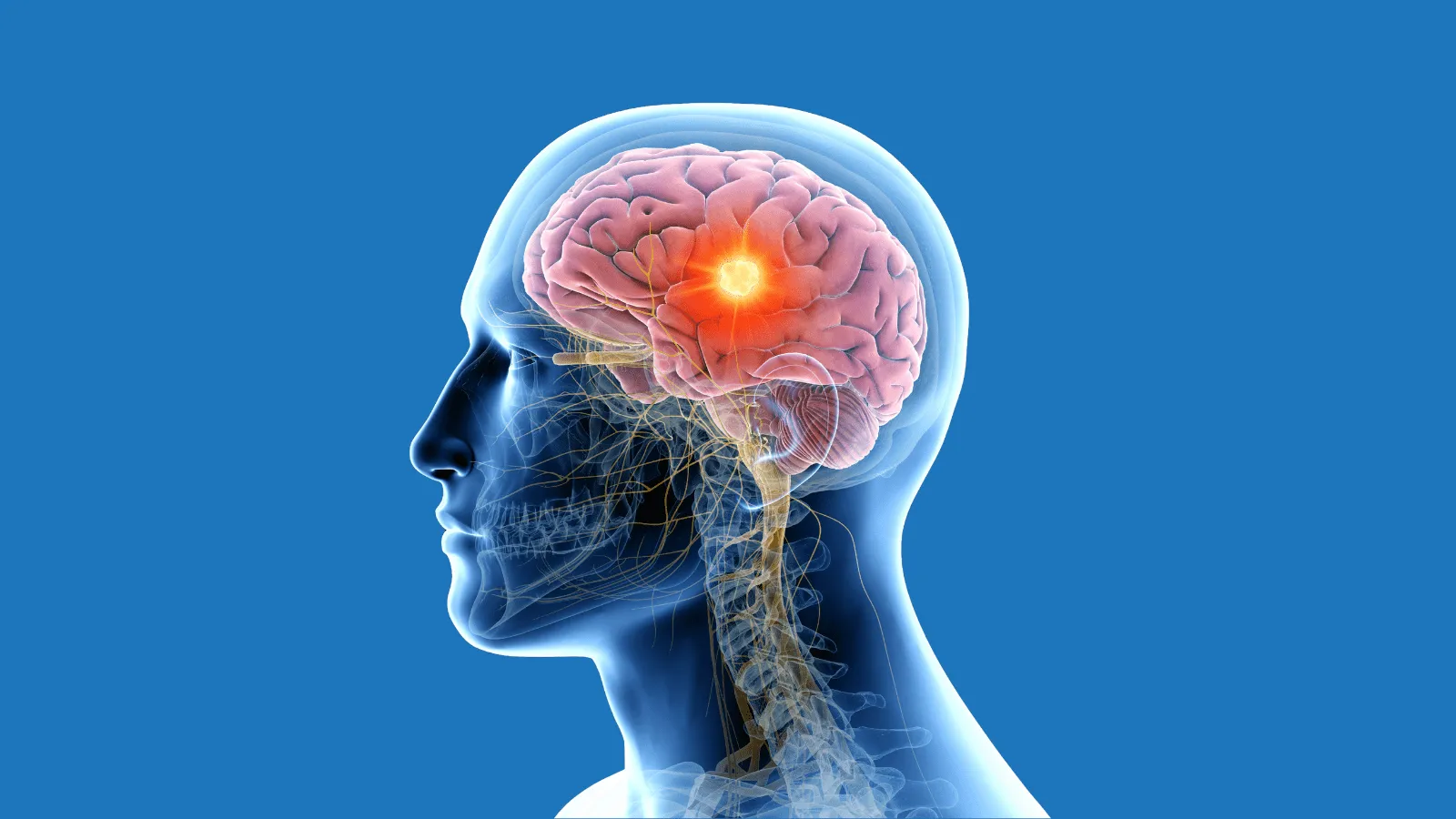
Cancer is often imagined as a visible, physical mass that grows aggressively until it disturbs an organ. But some of the most dangerous cancers never begin with pain or swelling. They begin with confusion, personality changes, imbalance, or tiny lapses in memory that are easy to dismiss. In many cases, the first doctor who can identify this pattern is not an oncologist but a Neurosurgeon, who understands how the brain reacts to pressure, inflammation, or abnormal cells long before symptoms become obvious.
Cancer of the brain or cancers that spread to the brain carry a deceptive quality. They mimic migraines, sleep disturbances, anxiety, or age related forgetfulness. For some people, these symptoms manifest years before a formal diagnosis. This silent overlap between neurology and oncology makes early recognition extremely challenging, but it also reveals something remarkable: the brain tries to protect the tumor at first, shielding the body from severe symptoms until it can no longer compensate.
When the Brain Adjusts to the Growing Shadow
The brain has a rare ability to adapt to change. When a tumor begins to grow, the brain subtly shifts its functions to preserve normal behaviour. It redistributes tasks, redirects blood flow, or increases pressure tolerance. During this phase, a person may only notice small irregularities such as mild headaches, forgetfulness, or moments of blurred vision.
These early signs rarely feel serious. They feel like exhaustion or age catching up. Many individuals continue daily routines without realising that the brain is working harder than ever to keep them functioning normally. This adaptive phase can last months or even years.
This is also the phase when tumors are most treatable, which is why recognizing neurological changes is vital. The human brain does not show symptoms immediately. It reveals them only when its compensatory abilities begin to weaken.
When a Tumor Presents as a Personality Shift Instead of Pain
A surprising fact about brain related cancers is that they often reveal themselves through behaviour rather than physical discomfort. A usually calm person may become irritable. Someone who is organised may begin to forget simple steps. A person who interacts freely may suddenly withdraw. These subtle personality changes come from the tumor pressing on specific regions that regulate emotion, impulse control, and social behaviour.
Families often interpret these changes as stress or burnout, especially when the symptoms appear slowly. The lack of pain misleads them into believing that nothing serious is happening. Yet, these early behavioural signs hold significant value for neurologists who understand that the brain’s personality centers are extremely vulnerable to minor pressure.
This quiet transformation is often the first warning that something deeper is unfolding.
When Cancer Begins Outside but Speaks Through the Brain
One of the most overlooked realities in oncology is that many cancers begin elsewhere but announce themselves only after reaching the brain. Lung, breast, kidney, and skin cancers are known for spreading silently and settling in the brain long before the original site causes trouble.
When this happens, the first noticeable symptoms are neurological. A person might experience weakness on one side of the body, difficulty finding words, or sudden problems with coordination. These symptoms do not point directly to the original cancer, which makes diagnosis more complex.
Yet, they also provide a crucial opportunity. Brain symptoms often appear earlier than symptoms at the primary site. If recognised in time, treatment can begin before the cancer fully takes control. This is where the importance of comprehensive care and timely intervention becomes clear.
When Sleep Begins to Tell the Story Before Scans Do
Sleep disturbances are some of the earliest neurological signs of hidden cancer. A person may start waking up repeatedly, experience vivid dreams, or find themselves unusually exhausted during the day. The brain’s sleep centers are sensitive to even the slightest shift in pressure or inflammation.
Many people misinterpret this as stress or routine disruption, but persistent changes in sleep patterns deserve attention. Sleep is deeply connected to neurological stability. When sleep begins to malfunction, the brain is signalling that its internal balance is under strain.
This is especially true for tumors in regions that regulate circadian rhythm. These tumors may remain small and slow growing for years, yet they create significant disruption in sleep long before they cause noticeable pain.
When the Immune System Fights a Battle That Shows Up as Neurological Confusion
Some cancers spark an immune response that mistakenly targets the brain. These rare but serious conditions are called paraneoplastic disorders. They can cause rapid neurological changes such as sudden memory loss, difficulty speaking, mood disturbance, or even seizures.
The most concerning part is that these symptoms appear long before the cancer itself is detected. The body is essentially fighting invisible cancer cells, and the brain becomes an unintended victim of this fight.
This is where early diagnosis matters. When a patient presents with unexplained neurological symptoms that do not align with common conditions, a deeper investigation often reveals a tumor hidden somewhere else in the body.
This connection between distant cancer and neurological disruption shows how deeply intertwined the immune system, brain, and tumor behaviour can be.
When Treatment Requires Both Neurological and Oncological Strategy
Once the diagnosis is clear, treatment becomes a delicate dance between protecting brain function and eliminating cancer cells. This is where the concept of the Best Cancer Treatment evolves beyond chemotherapy or surgery. It becomes a personalized strategy that balances brain preservation, tumor control, and quality of life.
Many patients require a combination of surgery, targeted therapy, radiation, or immunotherapy. Each step must be planned with careful attention to how the brain will respond. Even small improvements in swelling or blood flow can dramatically enhance a patient’s clarity and cognitive performance.
The goal is not only survival, but recovery of the person’s identity, memory, and independence.
When Personal Transitions and Medical Journeys Intersect
For families dealing with neurological illnesses or cancer, clarity and documentation become essential. During major life transitions, international travel, or treatment abroad, accurate identification and verification ensure smooth access to medical support and legal procedures. A helpful resource for this is the guide on accredited immigration DNA tests created for families needing cross border clarity during sensitive medical or personal decisions.
This becomes especially important for patients who require treatment in specialised centers across different countries, where paperwork and genetic confirmation may influence the speed and accessibility of care.
Final Thoughts
Neurological symptoms and cancer share a quiet relationship. They reveal themselves not through dramatic pain but through subtle shifts in memory, behaviour, sleep, personality, and motor control. Understanding these early whispers can save months of delayed diagnosis and open the door to timely, decisive treatment.
The brain never sends meaningless signals. When it changes, slows down, or behaves differently, it is asking to be heard. And when cancer hides behind these changes, recognising the pattern becomes the first and most important step in protecting life.