When Should You Tear Out Drywall After Water Damage?
One of the most common and disastrous hazards that homeowners have to face is water damage. It can be caused by flooding, torrential rains, leaking appliances, burst pipes, or sewage backups. And the most rapidly affected building element is the drywall due to water damage. If improperly handled, drywall absorbs water quickly, as it is porous in nature. But do you know when you should tear out drywall after water damage?
You can dry the drywall using drying and dehumidifying techniques for small water exposure, but for major and permanent water damage, it is necessary to remove it. In this blog, we will highlight the conditions when and why you need to remove the drywall while keeping in mind your health, safety, and the home’s maintenance.
Identifying Water Damage Type and Its Impact on Drywall
Based on the levels of contamination, the IICRC S500 Standard classifies water damage:
Category 1 (Clean Water)
Fresh water, like rainwater or water that has burst pipes. If the exposed drywall is dried sufficiently, it may be recoverable if it has been exposed for less than 24 to 48 hours (IICRC, 2021).
Category 2 (Gray Water)
Appliance or leak-contaminated water, which could be biologically or chemically contaminated. The modest health concerns associated with gray water-damaged drywall necessitate its removal (IICRC, 2021).
Category 3 (Black Water)
Highly polluted water, such as that found in sewage systems or as a result of natural disasters. Per EPA regulations (2023), all contaminated porous materials must be removed without delay.
Unfortunately, contractors in Seattle often have to deal with gray or black water during floods or sewer line backups, which means they have to quickly tear out drywall after water damage.
The Science Behind Drywall Failure After Water Exposure
The porous structure of drywall, also known as gypsum board, makes it extremely vulnerable to water damage. Both components, a gypsum core and a paper covering, are very porous and soak up water quickly. Once exposed, water travels upward through capillary action, often affecting areas well above the initial contact point.
Structural Breakdown of Gypsum
Since the crystalline structure melts and recrystallizes unevenly during drying, the gypsum core starts to break down. This causes the center to become weak and crumbly, making it unable to support any weight. The hygroscopic qualities of drywall allow it to retain external humidity. Seattle’s humid climate typically makes natural drying ineffective, necessitating the use of industrial-grade machinery.
Microbial Growth and Fungal Colonization
Microbial growth begins within 24 to 48 hours. When humidity levels are high, mold spores in the air can settle on organic paper surfaces. The EPA recommends the thorough removal of any materials that may have been contaminated due to the emission of mycotoxins by certain species, such as Stachybotrys chartarum.
Risk of Concealed Damage in Insulated Wall Cavities
Trapped moisture behind drywall poses greater structural and health risks than untreated leaks into insulation or framing. Due to insulation and vapor barriers in wall assemblies, water cannot evaporate and must be located using specialized tools.
This means that any kind of water or apparent damage to drywall that remains wet for more than 48 hours typically necessitates a complete tear-out.
OSHA Safety Requirements During Demolition
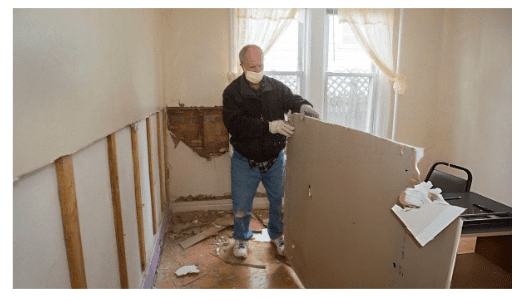
Dust, mold spores, and other airborne risks can be released during drywall removal. Contractors are required by OSHA to wear specific PPE, such as respirators with an N95 rating or higher, to perform their jobs safely.
Safety glasses and gloves
Disposable coveralls in mold-contaminated areas
Use of negative air machines or air scrubbers with HEPA filters (OSHA, 2023)
Following safety protocol is especially important during demolition in multi-family housing or healthcare facilities, which are common in the Seattle metro area.
Conclusion
Trust your local Seattle water damage restoration contractors to inspect and advise on whether drywall should be removed. Acting quickly not only saves money but also protects your family’s health and your home’s integrity.
If drywall is wet for more than 48 hours, it should be torn out immediately. If this exposure is of gray or black water, it makes removal mandatory. Signs like staining, mold, sagging, or high moisture readings mean demolition is the only safe option. You should also remove the drywall if the insulation behind it is soaked.
Waiting around in Seattle, Washington’s wet climate causes mold to grow secretly and pose additional structural problems. You can keep your project safe, compliant, and under budget if you move swiftly.
To protect the clients, meet building codes, and avoid bigger problems in the future, contact damage restoration contractors in Seattle Washington, today. They know well when and how to tear out drywall after water damage.